Key Points
- UAE ambassador says investment and technology commitments to Washington held firm through the US-Iran conflict.
- A 10-year, $1.4 trillion technology investment framework in the US is running ahead of schedule, he wrote.
- The letter frames export upgrades and AI access as proof the partnership survived regional disruption.
The latest:
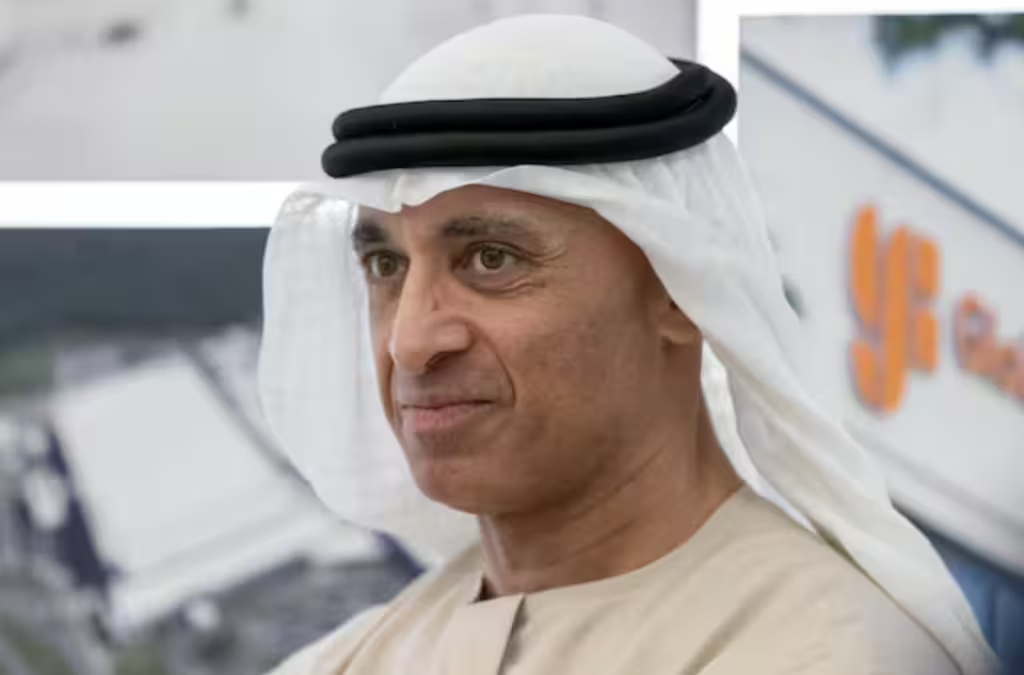
The UAE is moving ahead with its US investment and technology plans despite the American war with Iran and disruption to shipping through the Strait of Hormuz, ambassador to Washington Yousef Al Otaiba wrote in a letter to the US-UAE Business Council on Monday. He told members that major investments are advancing and that expanded access to advanced American technology is opening further opportunities.
Details:
- The letter: Al Otaiba, who is also a Minister of State, wrote to the US-UAE Business Council that neither the Emirates nor council members flinched during the conflict, and said the UAE had earned its place among America’s most trusted partners and would never put that trust at risk.
- The headline figure: The letter highlighted a 10-year, $1.4 trillion UAE technology investment framework in the United States, which Al Otaiba said is ahead of schedule. He said the UAE has purchased and invested hundreds of billions of dollars in US technologies, companies and energy projects, and that the capital is already at work.
- Export status: The US Department of Commerce upgraded the UAE’s export status in July, granting enhanced favourable treatment and easing exports and transfers of US military equipment, satellites, spacecraft, and artificial intelligence and energy technology. Al Otaiba called it a vote of confidence in Emirati commitments to keep sophisticated tools out of the wrong hands.
- The safeguards: He listed the protections the UAE says it has implemented: ring-fenced security environments, approved end users, verifiable non-diversion, vetted personnel and continuous monitoring, describing them as legal, institutional and structural. He did not name which agencies carry out the monitoring.
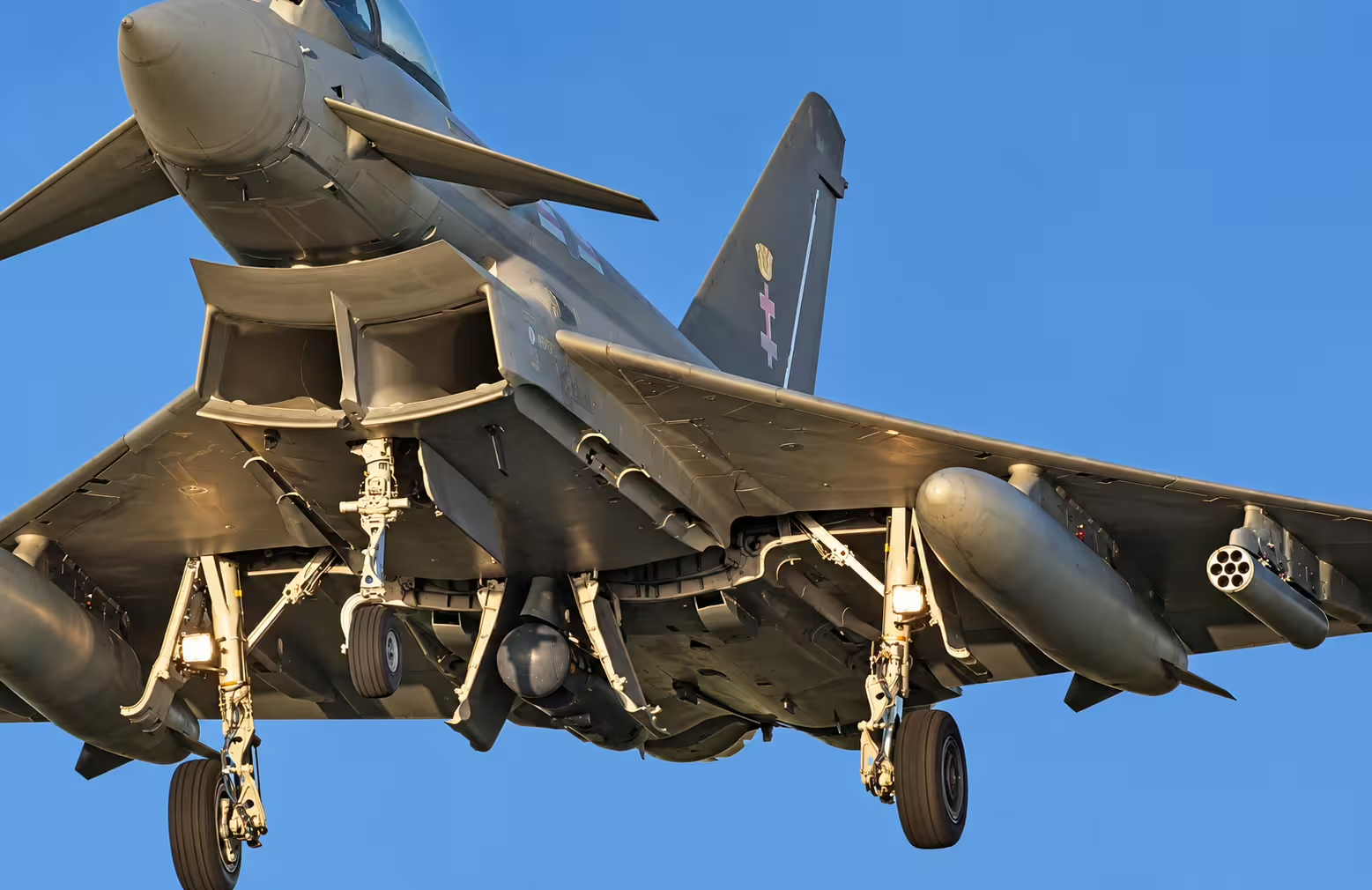
- Defence record: Al Otaiba wrote that Washington has over the years entrusted the UAE to operate US defence systems, F-16s and Apache helicopters, which helped the country handle Iranian aggression this year. He said that shield also formed a key link in the network defending American personnel, assets and allies across the region.
- The deals cited: He pointed to UAE-based Space42’s $1 billion communications agreement with US-based Viasat, and to more than $65 billion in Boeing aircraft orders placed by Emirates, Etihad and flydubai with General Electric engines, arguing the investments expand American manufacturing, energy and computing capacity.
- AI infrastructure: The first shipments of Nvidia CPUs and GPUs arrived in the UAE in May after several months of working out security details. Al Otaiba described the 5-gigawatt UAE-US AI Campus, built with American partners and powered by American chips, as “a statement of UAE resolve”.
- To The National: In a separate statement, the ambassador cited civil nuclear cooperation, Major Defense Partner status and A:5 designation as evidence the UAE is among America’s most trusted partners, saying commitments are firm, safeguards verifiable and resolve unchanged.
Between the lines:
The letter reads as a reassurance exercise aimed at American business and policy audiences: it answers an unstated question about whether a regional war changes the terms of access to US chips and defence technology. The heavy emphasis on non-diversion safeguards and the July export upgrade suggests the trust question, not capital, is what Abu Dhabi sees as the binding constraint on the relationship.
What’s next
Watch for delivery milestones on the 5-gigawatt UAE-US AI Campus, further Nvidia shipments under the upgraded export status, and whether the Boeing and Space42 contracts cited in the letter translate into announced build schedules.