Key Points
- Israel was ready to strike Iranian nuclear and energy sites on October 10, the Financial Times reported.
- Trump refused to reignite the war before the November 3 US midterms, sources told the paper.
- Sources said a restart after both elections remains plausible, with Trump holding the decision.
The latest:
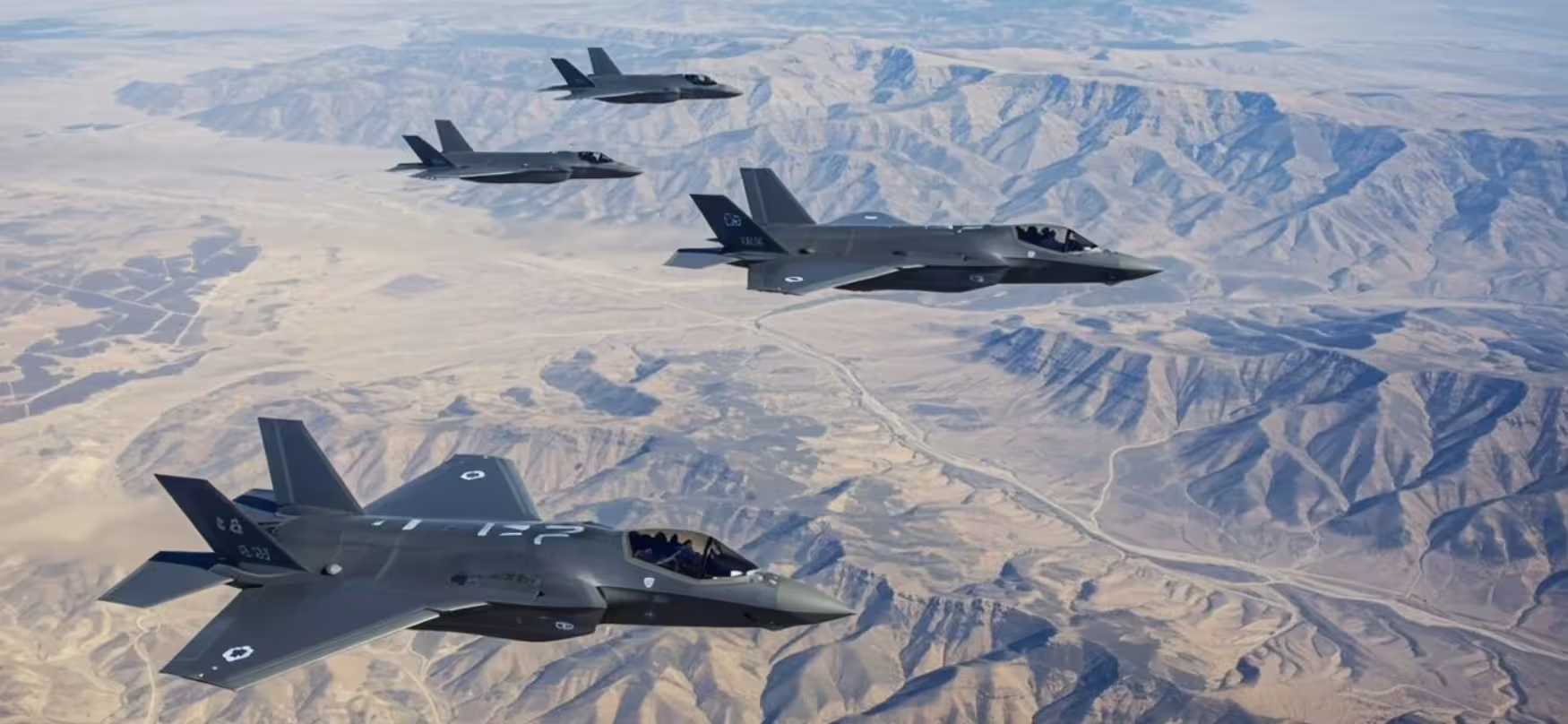
Israel’s military was prepared to hit Iranian nuclear facilities, regime sites and civilian energy plants over the weekend of October 10, three people familiar with the matter told the Financial Times, before Trump ruled against restarting the war ahead of the November 3 midterms. Sources said the strikes would have been heavier than the US-Israeli campaign in February. The Pentagon declined to comment.
Details:
- The target set: Sources told the Financial Times the planned operation covered Iranian nuclear facilities, regime sites and civilian infrastructure including energy plants. One source said Israel has assembled a new target bank including civilian sites never struck before. It was not established whether US forces would have joined or Israel would have acted alone.
- The scale: Had Trump authorized the operation, the strikes would have been more intense than those the United States and Israel carried out in February, according to the sources. No date was given for a rescheduled operation, and the sources placed any decision to resume fighting with Trump rather than Netanyahu.
- The timing: The US midterms fall on November 3, and Israelis vote in a Knesset election next Tuesday, with Netanyahu facing a difficult reelection contest. One source described a restart in the coming weeks, after both votes, as a scenario that could not be ruled out; another suggested the October planning may have served as a negotiating tactic.
- The sourcing line: One source told the newspaper: “There will either be a deal or an attack.” Another said nothing would surprise them and every option remained available. All of the sources spoke anonymously, and the Financial Times said the Pentagon offered no comment.
- Tehran’s response: Ebrahim Azizi, head of the national security commission in Iran’s parliament, posted in Hebrew on X that the election outcome would not change Iran’s reading of Israeli hostility, and threatened to eradicate Israel from the region in response to the smallest operational misstep.
- Iran’s diplomatic track: Foreign Minister Abbas Araghchi wrote in the Financial Times that Iran remains committed to a dignified peaceful resolution while fully prepared to defend itself. He said the White House has shown no willingness to reach an understanding and gave little reason to expect progress now.
- Earlier reporting: Trump said on October 9 that Washington would not attack Iran before the midterms. Days earlier, IDF Chief of Staff Eyal Zamir reportedly told American counterparts a strike could force a postponement of the Israeli election. Channel 12 reported Netanyahu urged Trump to renew the fighting before both votes; the Prime Minister’s Office denied it.
- The intelligence picture: Israeli security officials said no change in the assessment of Iran would justify a joint operation in the next two to three weeks. Iran has reportedly conducted ballistic missile tests from several sites, which the Israeli military assesses as a slow and partial rebuilding of a degraded missile program.
- The stalled talks: Negotiations have largely stalled over Iran’s nuclear program. Washington seeks dismantlement, and Vice President JD Vance said this month Iran must meaningfully cut enrichment capacity. Tehran set seven conditions for reopening the Strait of Hormuz, including lifting the US port blockade, ending oil sanctions and halting hostilities on regional fronts.
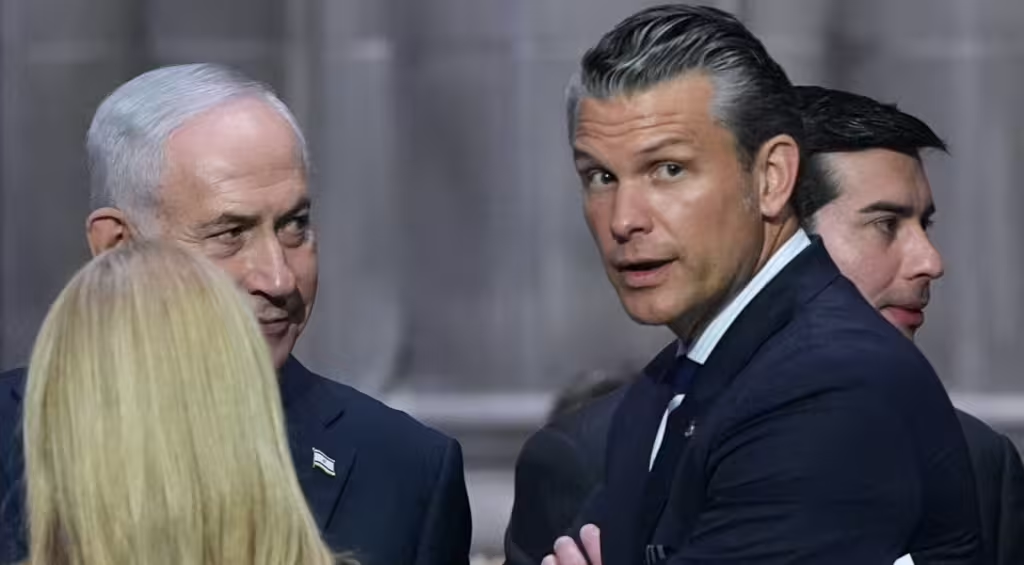
- The Hegseth visit: The report landed two days after US Defense Secretary Pete Hegseth made an unannounced visit to Israel and met Netanyahu to discuss regional threats. The agenda was not detailed publicly, and no joint statement followed.
Background:
Iran insists its nuclear program is peaceful but has enriched uranium far beyond civilian use, blocked inspectors and built a ballistic missile arsenal. It has obstructed the Strait of Hormuz, a key oil and gas route, since the war began, drawing a US blockade on Iranian ports.
Between the lines:
Two pressure points described by the sources point the same way: a target bank expanded to untouched civilian sites, and the suggestion that October’s planning was itself leverage. Against Araghchi’s stated readiness for talks and Tehran’s seven Hormuz conditions, the deal-or-attack framing reads less as a forecast than a bargaining position, with timing controlled in Washington rather than Jerusalem.
What’s next
Watch next Tuesday’s Knesset election and the November 3 US midterms, after which sources said a resumption becomes plausible. Also watch any shift in the Israeli intelligence assessment and further Iranian ballistic missile tests.