Key Points
- Pakistan's army chief met Iran's top leadership to restart US-Iran negotiations before November's US midterms.
- Tehran insists Washington first implement seven conditions and refuses to ship enriched uranium abroad.
- Rubio welcomed the mediation but said a deal with Iran remains hard to reach.
The latest:
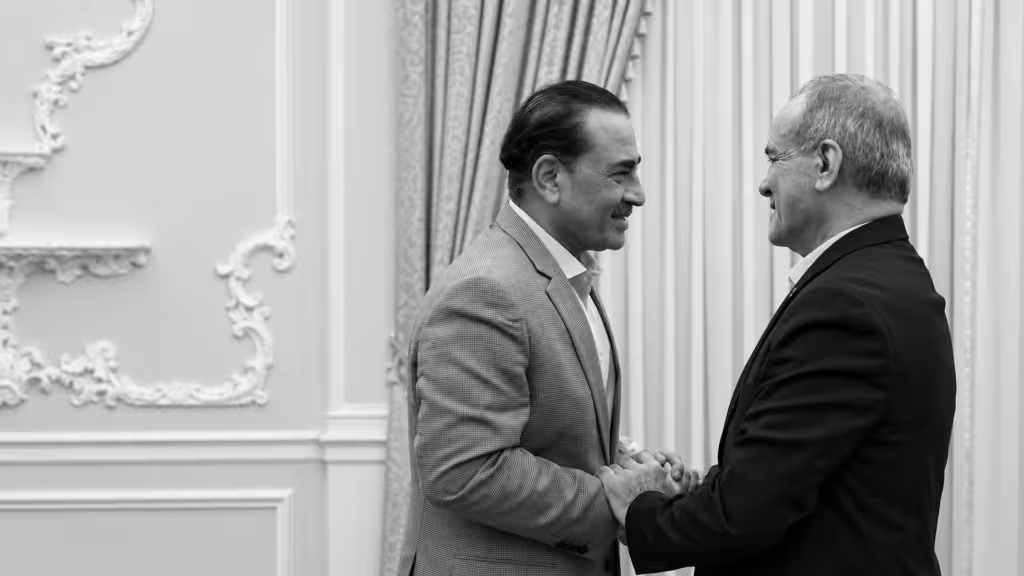
Pakistan’s army chief Asim Munir held talks with Iran’s president, parliament speaker and top security official in Tehran in a bid to narrow the gap with Washington and resume negotiations to end the war. The effort lands as the United States threatens a fresh bombing campaign absent an agreement, and as Iranian officials repeat that talks require American steps first.
Details:
- The mediation: Munir met separately with President Masoud Pezeshkian, parliament speaker Mohammad Baqer Qalibaf and Supreme National Security Council secretary Mohsen Rezaei, according to Iranian state outlet PRESS TV, in an effort to bring the two sides closer. No date was announced for any resumption of direct US-Iran talks.
- The seven conditions: Rezaei said last month Tehran had passed seven conditions to Washington through Qatari mediators and was awaiting President Donald Trump’s reply. He posted on X that no talks will occur until Washington takes confidence-building steps, starting with full implementation of all Iranian conditions, which were not detailed publicly.
- The nuclear red line: Rezaei rejected the US demand that Iran’s enriched uranium stockpile be moved out of the country, saying not a single gram would leave Iranian territory. Reports say Washington’s latest proposal renewed that demand, which American officials have raised repeatedly and which remains the sharpest point of dispute.
- The US position: Secretary of State Marco Rubio told CNBC on Tuesday that Tehran does not know how to make a deal and is controlled by what he called hardliners, making negotiation extremely difficult. He nonetheless welcomed Pakistan’s mediation effort. Trump told reporters Tuesday evening he has not made a final decision on Iran, saying the United States is in a very good position and needs no help.
- The memorandum: Qalibaf said a permanent ceasefire depends on Washington implementing the seven conditions, and blamed Trump’s failure to honor the Islamabad memorandum for deepening historic mistrust. The 14-point document signed in June requires the US to end the war on all fronts and lift sanctions, in exchange for Iran gradually reopening the Strait of Hormuz.
- Pezeshkian’s line: Iran’s president, among the officials most supportive of talks with Washington, told Munir the US must lift its threats and sanctions before any negotiations proceed. He said Iranians do not trust Washington after it struck Iran while diplomatic talks were under way.
- No breakthrough near: Bloomberg quoted a diplomat involved in the negotiations on Tuesday saying contacts between the United States and Iran continue with the aim of ending the war, while ruling out any imminent agreement between the two countries.
- The timing bet: Diplomats familiar with the mediation said Iran is counting on the November US midterm elections as leverage on Washington before talks resume, assessing that electoral pressure improves its negotiating position.
- Military posture: Qalibaf rejected American and Israeli threats to resume attacks, saying Iran is not an advocate of war but is fully prepared, and that threats and military movements cannot influence its strategic decisions.
Background:
Iran and the United States signed a 14-point memorandum of understanding in June trading an end to the war and sanctions relief for a phased reopening of the Strait of Hormuz. Tehran says Washington never implemented it, and fighting and threats have continued since.
Between the lines:
Both tracks Tehran is running point the same way. Rezaei’s refusal to move any enriched uranium collides directly with the US demand reported in Washington’s latest proposal, while Qalibaf ties any ceasefire to the seven conditions. Diplomats say Iran is betting the midterms raise the cost of delay for Trump, which explains why Tehran is setting preconditions rather than seeking a quick deal.
What’s next
Watch for Trump’s response to Iran’s seven conditions, whether Washington drops the uranium transfer demand, and whether Pakistan’s mediation produces a scheduled negotiating round before the November midterms.
Sources: