Key Points
- Israel's military planned a multi-day bombing campaign on Iran for the weekend of October 10, three people told the FT.
- The operation was shelved over Trump's opposition to reopening the war before the November 3 US midterms.
- Both leaders are days from elections, and any strike could pull in US forces and Gulf states.
The latest:
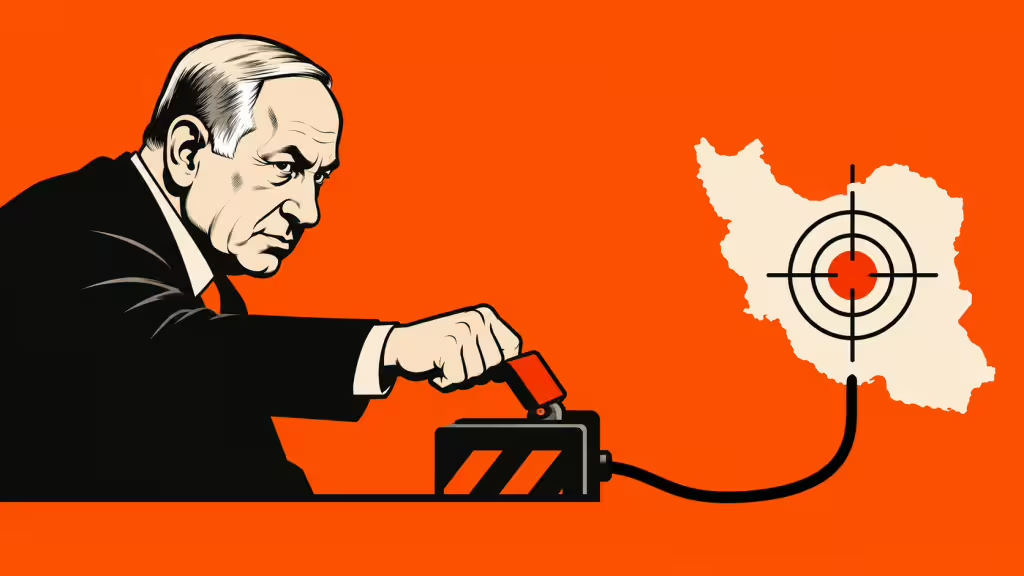
Israel’s military drew up plans for a multi-day bombing campaign against Iranian power plants, nuclear sites and regime targets for the weekend of October 10, three people familiar with the matter told the Financial Times. The operation was shelved because President Donald Trump opposed restarting the conflict before the US midterm elections on November 3. Both Trump and Benjamin Netanyahu have since kept threatening a renewed offensive.
Details:
- The plan: The people familiar with the matter said the campaign was designed to exceed the intensity of the joint US-Israeli offensive launched against Iran in February, and would have hit civilian infrastructure including electricity plants alongside nuclear facilities and regime targets. Whether Washington was meant to join directly remains unclear.
- The target bank: One person said Israeli officials presented an updated target list drawn from new intelligence, including civilian infrastructure not struck earlier this year. US Defense Secretary Pete Hegseth travelled to Israel on Monday for talks with Netanyahu and other senior officials, an Israeli official said. The Pentagon did not immediately respond to a request for comment.
- The White House: Deputy White House spokesperson Anna Kelly told the FT that Iran is in very bad condition economically and militarily, that US efforts to blockade Iranian ports and move Gulf oil exports through the Strait of Hormuz were succeeding, and that the United States will not attack Iran at any time before the midterms.
- The leverage reading: One person familiar with the matter said it was not an unreasonable scenario that Israel and Washington restart strikes in the coming weeks, framing the American goal as forcing Tehran into a deal covering the Strait of Hormuz and its nuclear programme. Another cautioned the October plan may have been negotiating pressure.
- The rhetoric: Endorsing Netanyahu on Sunday, Trump wrote on Truth Social that if Israel had any leader other than Bibi, the US would have to confront the Islamic republic alone, and said he was not inclined to do so. Unless Iran changed its ways rapidly, he added, the two countries would soon finish the job.
- The video: Netanyahu released footage on Monday from an Israeli air force base showing a speakerphone call with Trump, telling the president they would finish the job together. Trump replied that Netanyahu was a great warrior and the man he wanted by his side. Netanyahu’s office did not respond to repeated requests for comment.
- The military posture: The Israel Defense Forces has been on heightened alert for weeks and cancelled leave for all troops from Thursday through the October 27 parliamentary elections. Chief of staff Eyal Zamir said the step was meant to enable the democratic elections to take place safely and as scheduled. The IDF declined to comment.
- The political stakes: Netanyahu faces a difficult re-election fight in the first vote since Hamas’s October 7, 2023 attack. Most mainstream Israeli polls show the opposition bloc narrowly ahead of his far-right coalition, with neither side holding a clear majority. Axios reported last week that the two leaders discussed renewed combat; a US official disputed that account.
- The risks: A strike could draw US forces and Gulf Arab states into a renewed war and push energy prices higher while Trump is under pressure to lower fuel costs. A fragile April ceasefire ended the heaviest bombing, but Washington and Tehran have since traded tit-for-tat strikes over control of the Strait of Hormuz.
Background:
A joint US-Israeli air campaign against Iran began in February and was halted by a fragile ceasefire in April. Since then the two sides have fought a running contest over the Strait of Hormuz, with Washington working to blockade Iranian ports while Gulf oil continues to transit the waterway.
Between the lines:
Current and former Israeli security officials fear a war launched so close to the vote would damage the democratic process even if it came after election day. Coalition talks typically take weeks, leaving Netanyahu with transitional authority to order a war even in defeat. Loyalists now head the Shin Bet and Mossad, and the general staff’s standing has been weakened since October 7.
What’s next
Israel votes on October 27, with coalition talks expected to run for weeks. The US midterms follow on November 3, the date the White House has set as the limit on its own restraint toward Iran.