Key Points
- Missile and drone attacks on Riyadh and Najran have exposed limits in Saudi defenses, the Journal reported
- At least 13 died in a Houthi strike on Riyadh's international airport this month
- Riyadh has turned to Turkey, Pakistan and European states for help as Washington withholds direct military involvement
The latest:
Deadly Houthi missile and drone attacks on Saudi Arabia’s capital and oil infrastructure have exposed the limitations of the kingdom’s armed forces and opened a risky new phase of the Yemen war for Riyadh, The Wall Street Journal reported. The kingdom holds one of the world’s largest defense budgets, but analysts cited by the paper said the group’s ground strength and domestic missile production blunt those advantages.
Details:
- The casualties: Saudi authorities said Sunday a hostile projectile hit the southern city of Najran, injuring six people and damaging three homes and three vehicles. It followed a Houthi strike a week earlier on Riyadh’s international airport that killed at least 13 and injured hundreds, with another strike the next day killing one traveler and wounding 11.
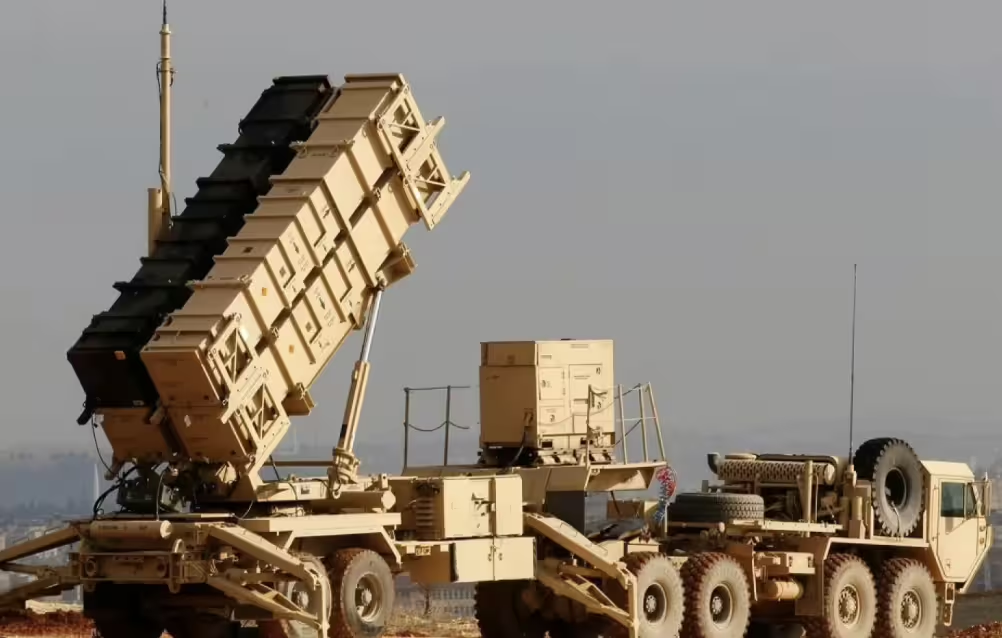
- The interception rate: A senior US official briefed on the Saudi effort said forces intercepted more than 90% of Houthi missiles aimed at areas covered by US-built Patriot batteries and other systems. The same official said more than half of all Houthi attacks since the war resumed targeted undefended locations instead.
- The tactic: The official said the Houthis have struck protected areas by launching drones and low-flying cruise missiles in waves alongside ballistic missiles to saturate Saudi defenses. Analysts told the Journal that Saudi forces absorbed similar waves earlier in the war and gradually reduced them.
- The Saudi position: A Saudi official told the Journal the kingdom will take all necessary measures to keep its citizens, residents and territory secure, calling the Houthis a global threat requiring a global response. Coalition spokesman Maj. Gen. Turki Al-Maliki said Thursday in Riyadh that Saudi air defenses can intercept threats and thwart targeting attempts.
- The outside help: Riyadh has turned to Turkey, Pakistan and several European countries for air-defense units and other assistance deployed inside the kingdom. Egypt said Sunday it was ready to provide military help, according to a statement by President Abdel Fattah al-Sisi’s spokesman.
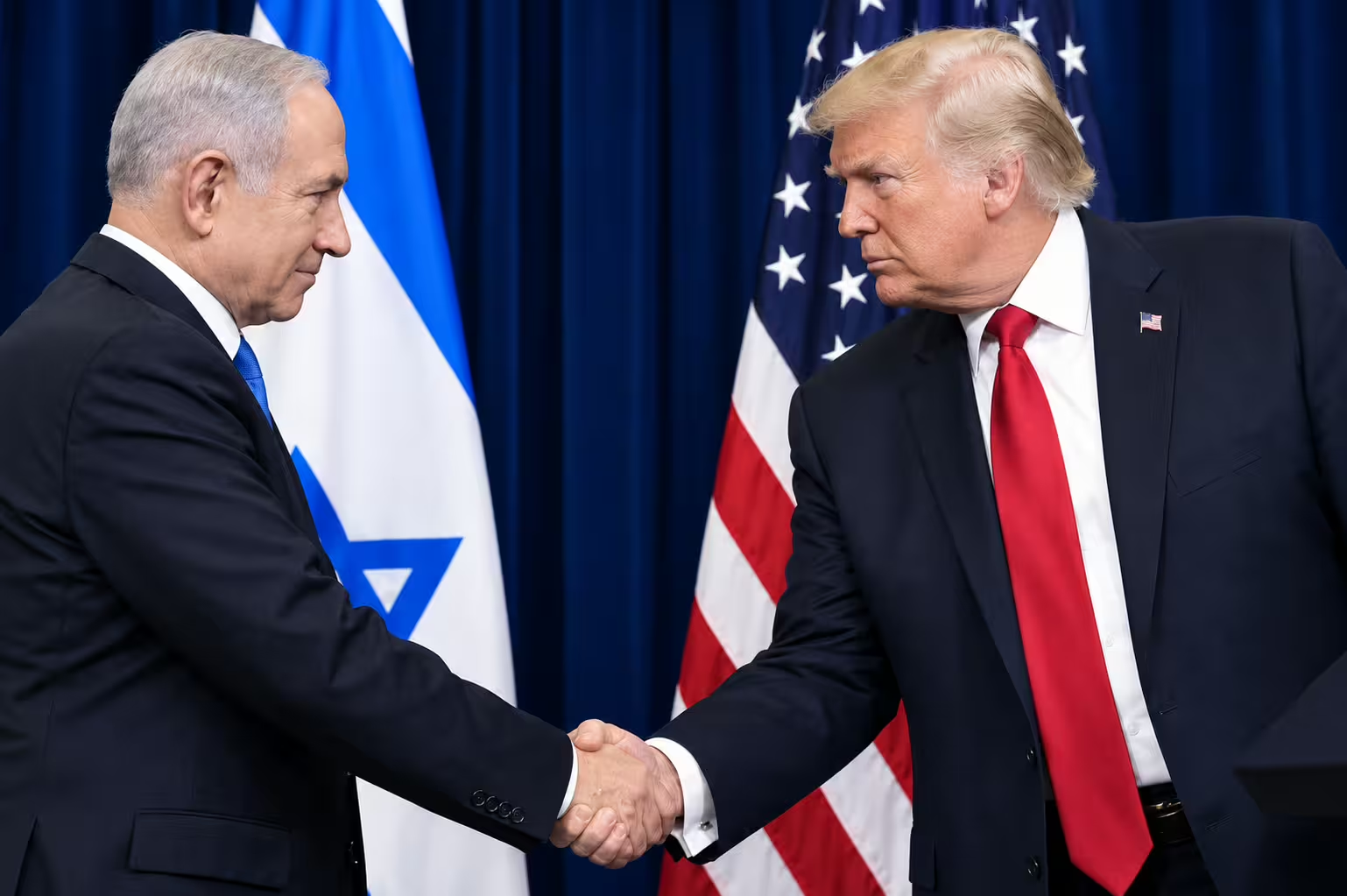
- The Israel offer: President Trump on Friday urged Saudi Arabia to accept Israeli military help against the Houthis. Riyadh, which maintains an extensive behind-the-scenes security relationship with Israel but no formal diplomatic ties, has not publicly responded. US assistance so far has been confined to intelligence and other support.
- The Iranian role: The Journal has reported that Iran helped the Houthis mount sophisticated attacks on Saudi territory and on Riyadh’s Yemeni allies, supplying targeting assistance for drone and missile strikes along with training, intelligence and tactical guidance.
- The ground war: Saudi Arabia relies on fractious militias loyal to the Riyadh-backed Yemeni government for the ground fight, with Saudi jets and attack helicopters providing air support. The coalition’s immediate aims are to push the Houthis off Red Sea coastal areas and prevent the fall of Taiz, the anti-Houthi forces’ last major southern stronghold.
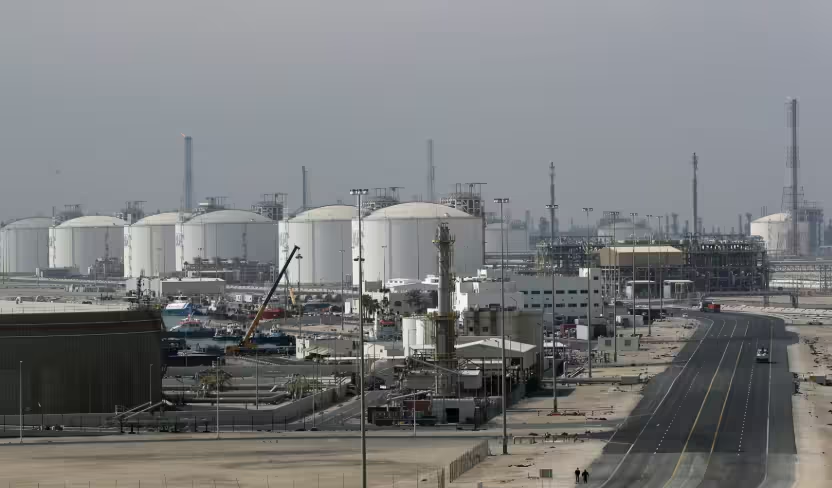
- The geography: The kingdom shares a rugged, mountainous 800-mile border with Yemen, giving Houthi mobile launchers cover to fire and relocate quickly. Vital infrastructure, civilian airports and Saudi Aramco facilities are scattered across vast deserts that fixed batteries cannot all cover.
- The shortage: David Des Roches, a former Pentagon official for Arabian affairs, said the core problem is an insufficient stock of interceptors, forcing Riyadh to split air-defense assets after being attacked from Iraq in the north, Iran in the east and now Yemen in the south.
Background:
The Houthis seized San’a and much of northwestern Yemen in a civil war and outlasted a seven-year Saudi-led coalition campaign. The US-designated terrorist group also survived American airstrikes last year aimed at loosening its grip on the Bab al-Mandeb strait.
Between the lines:
Allison Minor of the Center for Strategic and International Studies said Riyadh wants support to prevent catastrophic attacks and to show it is not isolated, which explains the appeals to Ankara, Islamabad, European capitals and now Cairo. Michael Ratney, a former US ambassador to Riyadh, said the kingdom will eventually need an off-ramp because the group can respond asymmetrically and still do serious damage.
What’s next
Watch whether Riyadh responds publicly to Trump’s Israel proposal, whether Egyptian units deploy, and whether the Iran conflict resumes after next month’s US midterm elections, which analysts said would leave Saudi Arabia facing a multifront war.