Key Points
- Washington is studying lifting restrictions on sanctioned tankers tied to Russia and Iran, the Financial Times reported.
- Options include licensing case-by-case sales of shadow-fleet vessels to legitimate commercial buyers.
- The push lands before November's congressional midterms, with inflation at 3.7% in September.
The latest:
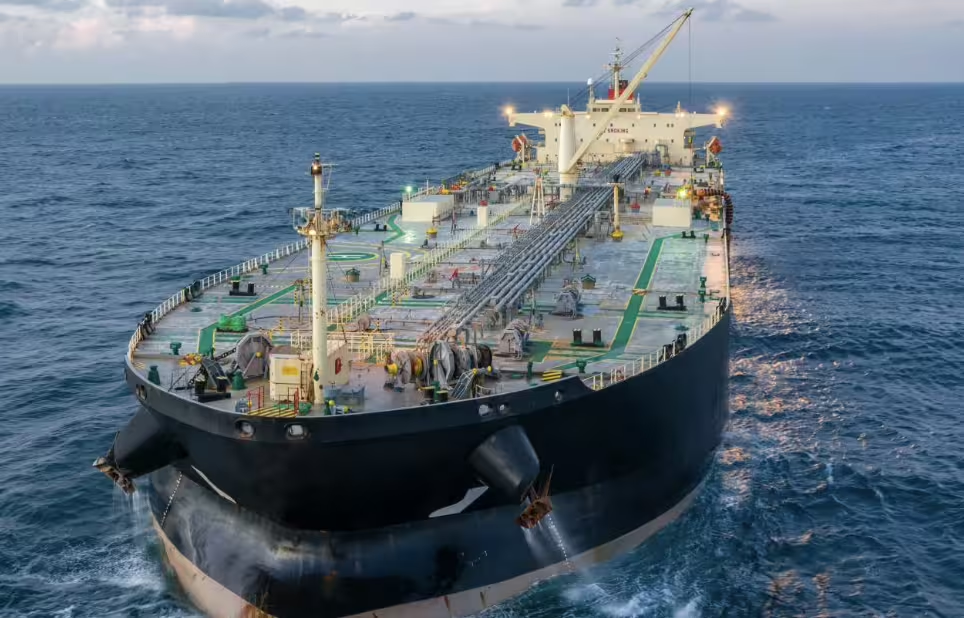
The Trump administration is examining whether to lift restrictions on oil tankers linked to Russia and Iran in order to expand shipping capacity for crude and refined fuel and bring down energy costs, the Financial Times reported. The review is running ahead of November’s midterm elections, as the administration faces pressure over living costs.
Details:
- The options: People familiar with the discussions told the Financial Times that the measures under consideration include permitting the sale of tankers currently on sanctions lists to legitimate buyers, and delisting those vessels on a case-by-case basis so they can return to work in global commercial shipping.
- Treasury’s position: A US Treasury official said the Office of Foreign Assets Control could consider licensing sales of shadow-fleet ships to legitimate buyers and removing sanctions on them if the purpose is to return the vessels to lawful commercial activity, with each transaction subject to a separate review.
- Where it started: The discussions followed remarks by US Energy Secretary Chris Wright earlier this week at the World Petroleum Congress in Riyadh, where he raised the contested idea of delisting the vessels to widen shipping capacity for crude and refined fuel.
- The freight argument: The stated rationale is that record-high shipping rates are themselves feeding into fuel costs. Releasing sanctioned tonnage back into the legitimate market would, on that logic, increase available capacity for carrying oil and refined products and pull freight rates down.
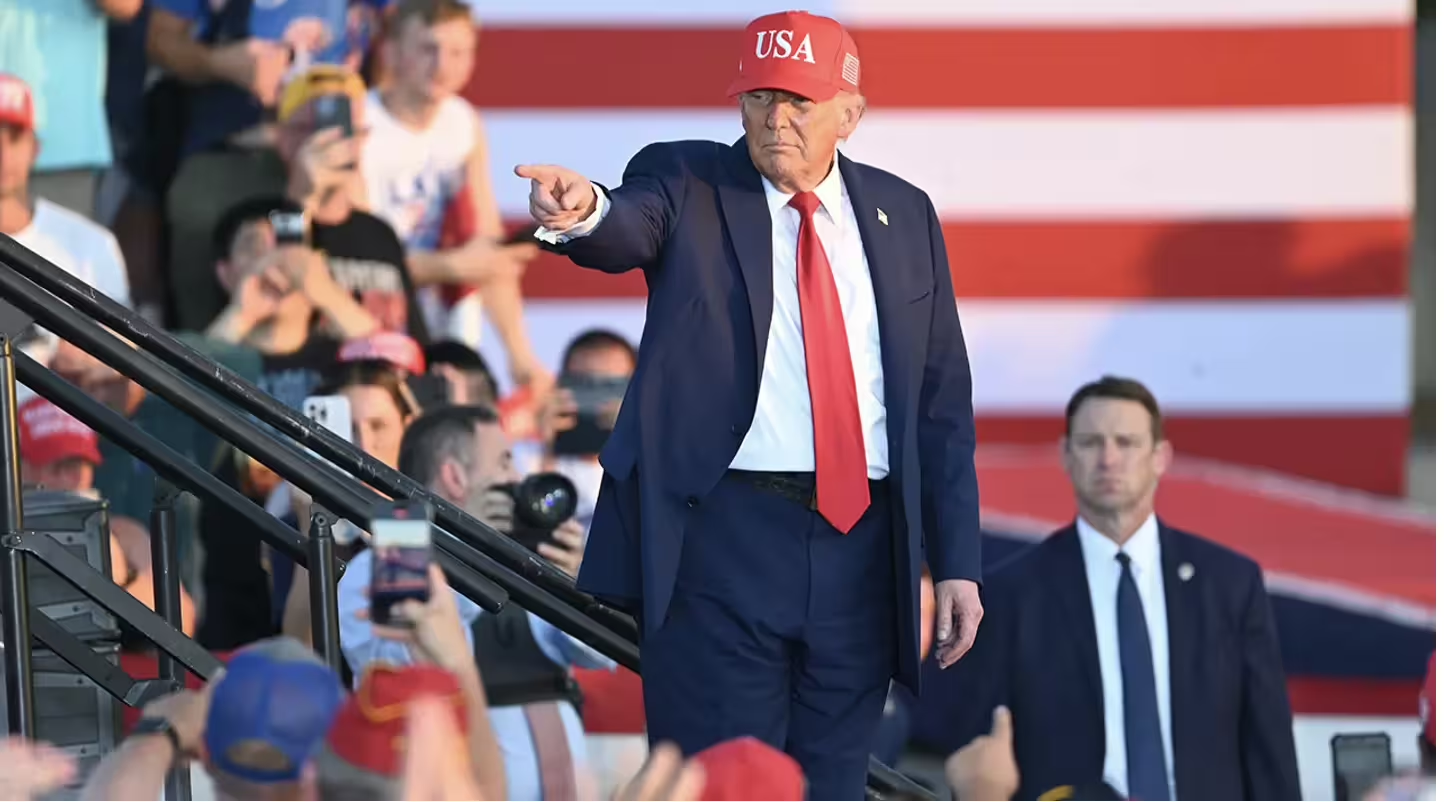
- Trump on Ukraine: Trump criticised Ukraine’s resumption of strikes on Russian oil refineries, saying they are contributing to higher energy prices worldwide. The comment places the attacks on Russian refining capacity inside the administration’s own price argument rather than treating them as a separate military question.
- The political clock: The administration is under pressure to contain rising living costs, with inflation recorded at 3.7% in September. The congressional midterm elections are set for November, giving the energy-price file an immediate electoral weight.
- Parallel move: Separately, the energy agency is accelerating the release of more than 20 million barrels of diesel in an effort to hold down prices, a supply-side step running alongside the sanctions review.
- What is undecided: No decision has been announced, no timetable has been set, and no vessels have been named as candidates for delisting. The Treasury framing stops at what the office could consider, not what it has approved.
Background:
The shadow fleet refers to ageing tankers used to move Russian and Iranian crude outside Western insurance and pricing systems. Washington has progressively added such vessels to sanctions lists, cutting them out of mainstream commercial shipping.
Between the lines:
The two tracks named here point the same way: expanding tanker capacity and releasing diesel stocks are both price measures, not foreign-policy ones. Trump’s criticism of Ukrainian strikes on Russian refineries fits that frame, judging those attacks by their effect on global energy prices. Treasury’s case-by-case language keeps the enforcement architecture formally intact while allowing individual exits from it.
What’s next
Watch whether the Office of Foreign Assets Control issues any licence authorising a shadow-fleet sale, whether specific vessels are delisted before November, and whether the accelerated diesel release moves pump prices.