The latest:
Iran’s economy is set to contract 7.6% in 2026, the International Monetary Fund said Tuesday, sharply deepening a July projection of 5.4% and marking a second straight year of decline after an expected 1.5% drop in 2025. The downgrade lands far below the regional outlook, with Middle East and Central Asia economies seen shrinking just 0.3% this year.
Details:
- The regional gap: The IMF expects Middle East and Central Asia economies to contract 0.3% in 2026, a sharp reversal from the 1.9% growth it projected in April. The downgrade reflects renewed military exchanges and prolonged disruption to shipping through the Strait of Hormuz, according to the fund’s World Economic Outlook.
- Why Iran is worse: The IMF attributes Iran’s steeper contraction to restrictions on its oil exports and an economy already weakened by years of sanctions and structural problems. Unlike its neighbors, Tehran faces the added pressure of a US naval blockade, compounding the regional shipping disruption.
- The state data: Iran’s Statistical Center reported last month that GDP shrank 10% in spring 2026 against the same period a year earlier, the largest quarterly decline in 15 years. Excluding oil, output still fell 4.6%, indicating the downturn has spread past the energy sector.
- Sector breakdown: Oil and gas production fell 26.4% year-on-year, while industry and mining contracted 14.7% and services declined 4.8%, according to the Statistical Center. Agriculture was the only major sector to grow, expanding 2.3%.
- Trade and households: Exports of goods and services dropped roughly 36% and imports fell about 15%. Household consumption declined 4%, pointing to further weakness in domestic demand and purchasing power. The figures contrast with IMF projections of slightly above 3% global growth in 2026.
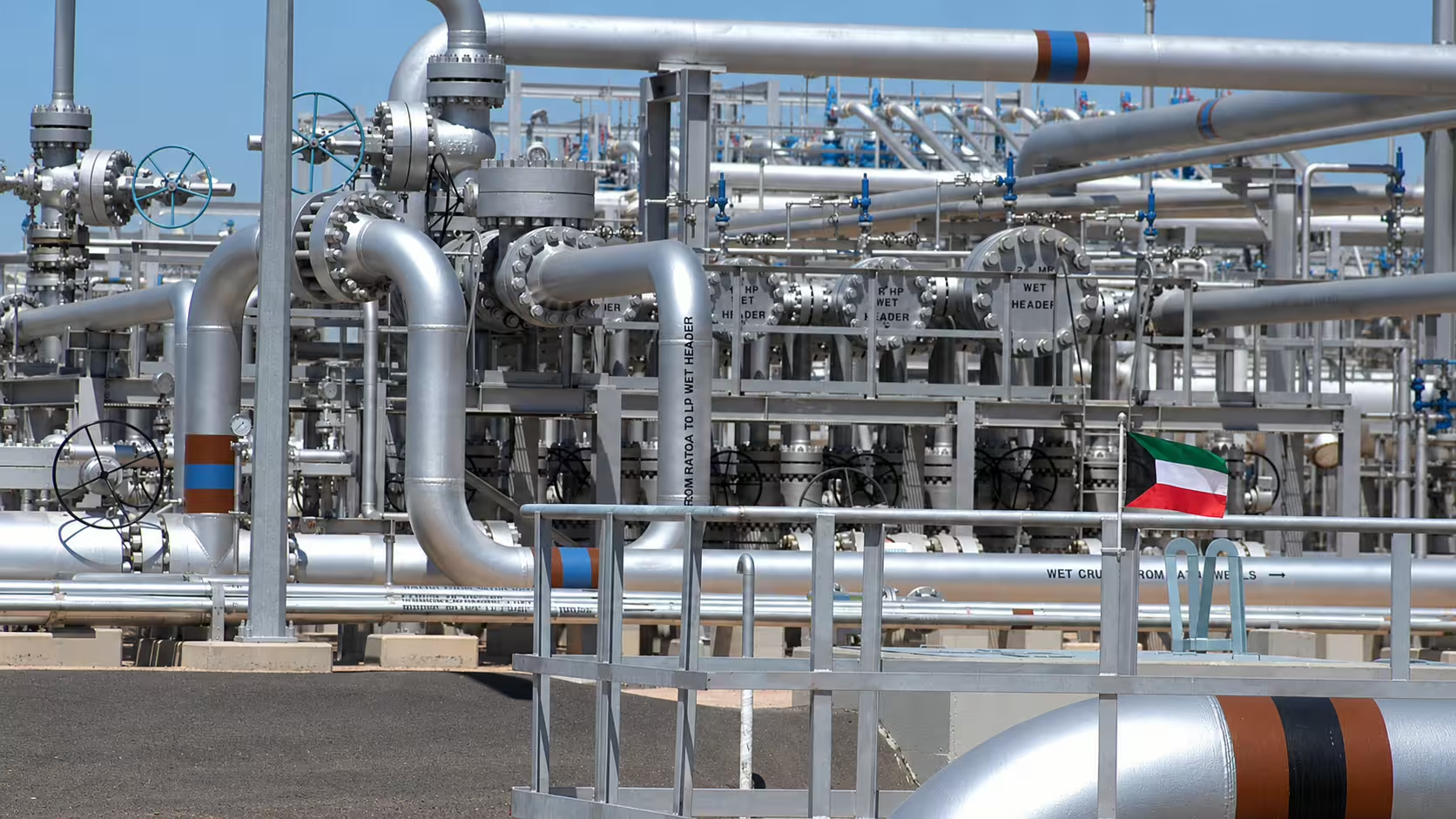
- Oil loadings halted: Iran loaded no crude or condensate onto tankers for the entirety of September, according to data from commodity intelligence firm Kpler. It was the first full month without loadings since the 1979 Islamic Revolution.
- The US campaign: On October 8, the US Treasury sanctioned 17 vessels and associated companies it identified as part of Iran’s remaining shadow fleet. Treasury Secretary Scott Bessent said the administration would keep targeting those facilitating Iranian oil sales. Washington has described the campaign as an effort to strip Tehran of its remaining revenue.
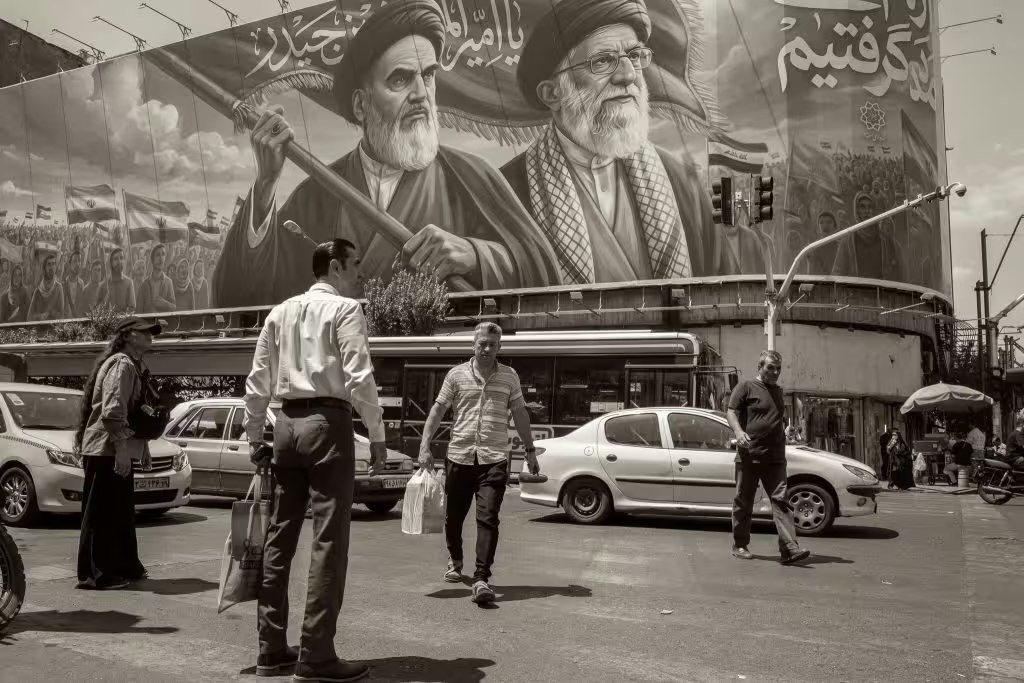
- Officials push back: Central Bank Governor Abdolnaser Hemmati told state television last week that inflationary pressures eased over the summer and the government had averted the economic collapse Washington predicted. Former labor minister Hojjat Abdolmaleki went further, saying inflation is Iran’s only economic problem: “If you ignore rising prices, you face no other economic problems.”
Background:
Iran’s oil exports have operated under US sanctions for years, relying on an unofficial tanker fleet to reach buyers. The IMF’s July outlook already projected contraction before the latest downgrade.
Between the lines:
The 4.6% non-oil contraction is the figure that distinguishes this downturn from previous sanctions episodes: with industry, mining, services and household consumption all falling, the damage no longer tracks oil revenue alone. That gap also frames Hemmati’s claim of averted collapse, which rests on easing inflation rather than on output, trade or consumption data.
What’s next
Watch whether October tanker loadings resume after September’s halt, further US Treasury designations against the shadow fleet, and Iran’s next quarterly GDP release from the Statistical Center.