Key Points
- Treasury sanctioned 10 people and entities tied to procurement networks spanning Iran, Hong Kong and Pakistan.
- The measures accompany military pressure while Qatar maintains indirect communication between Washington and Tehran.
- A record-low rial and Hormuz’s energy importance raise the conflict’s economic stakes beyond the battlefield.
The latest
The United States sanctioned 10 individuals and entities on September 29 over alleged support for Iranian military procurement, widening its economic campaign as a seven-month conflict continues and Qatar seeks to mediate. The Treasury Department said the targets, based in Iran, Hong Kong and Pakistan, were connected to networks helping Tehran obtain money, technology and military components despite existing restrictions.
Details
- Operation Economic Outcast: The actions fall under Operation Economic Outcast, a Trump administration campaign aimed at disrupting financial networks that Washington says sustain Iran’s military capacity and evade sanctions. Treasury has also expanded measures against Iranian financial networks, oil-related entities and procurement channels since the conflict began.
- Diplomatic divide: Indirect contacts continue through regional mediators, but Washington and Tehran remain apart over conditions for ending the fighting, sanctions relief and Iran’s nuclear program. Qatar’s discussions have focused partly on the Strait of Hormuz, and Iranian officials indicated that additional proposals could pass through Qatari mediators.
- Currency pressure: Iran’s rial traded at more than 2.5 million to the dollar on Tuesday, a record low, the Associated Press reported. The currency has fallen sharply since the war began, intensifying strain on an economy already weakened by years of sanctions.
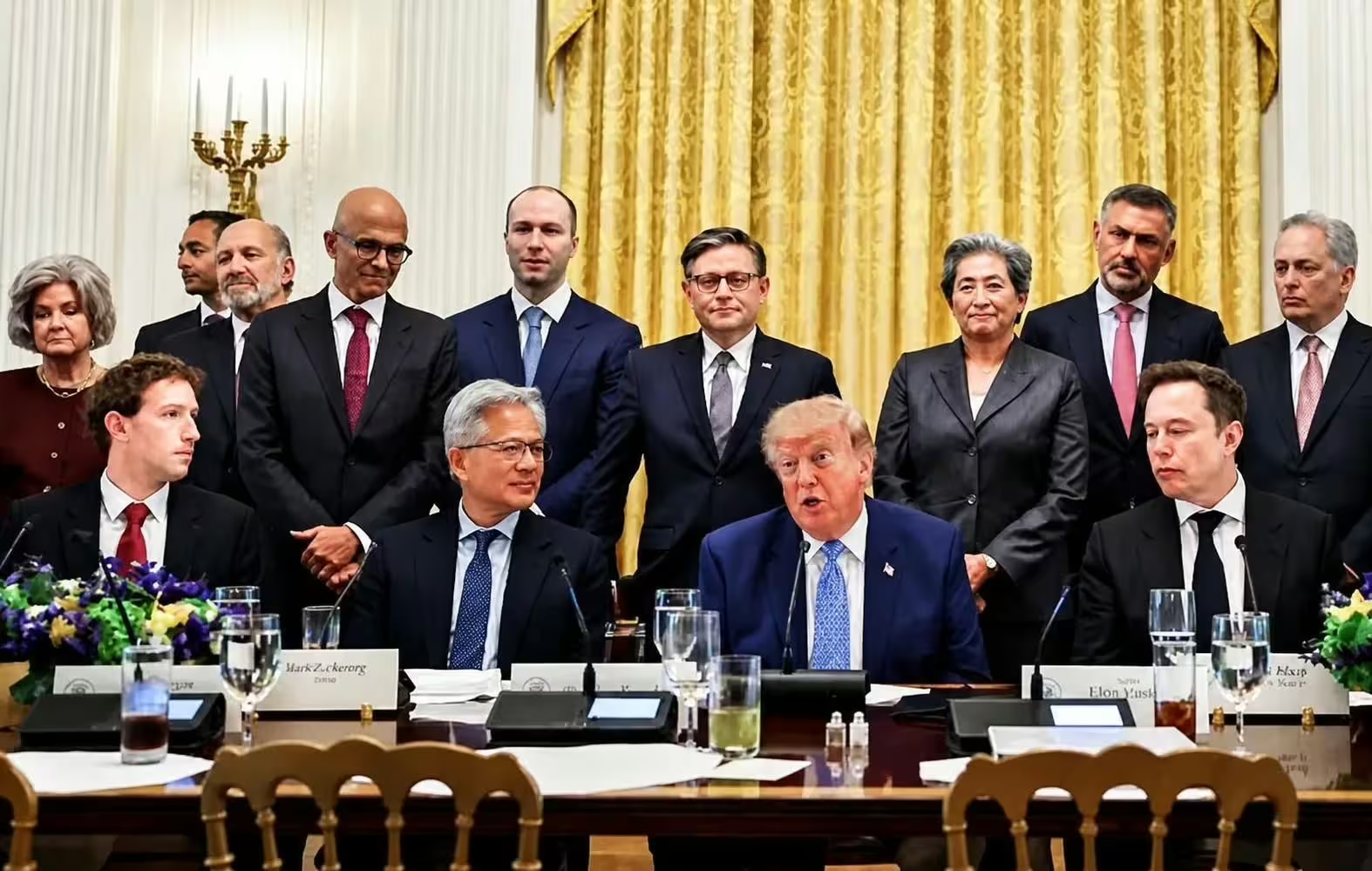
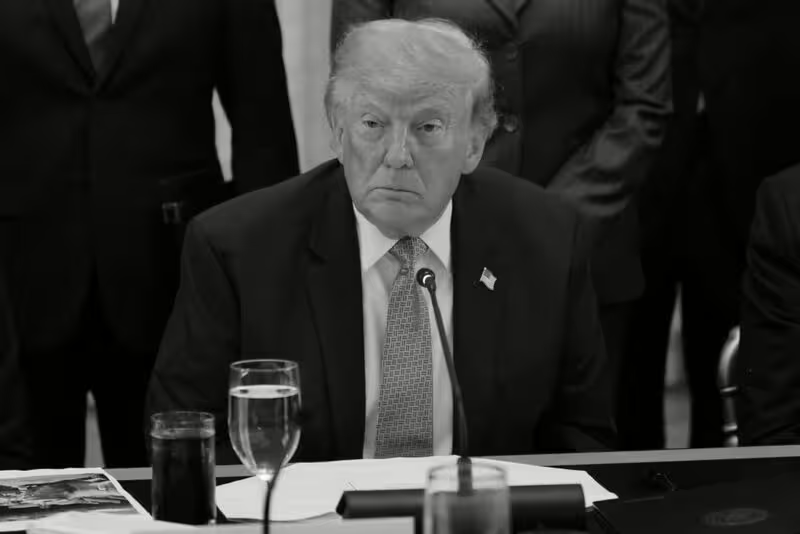
- Trump’s position: President Donald Trump said he did not know whether Iran was ready to surrender, but said Tehran was “doing very poorly” and “will give up.” He reiterated that preventing Iran from obtaining a nuclear weapon remained the central objective of the U.S. military campaign.
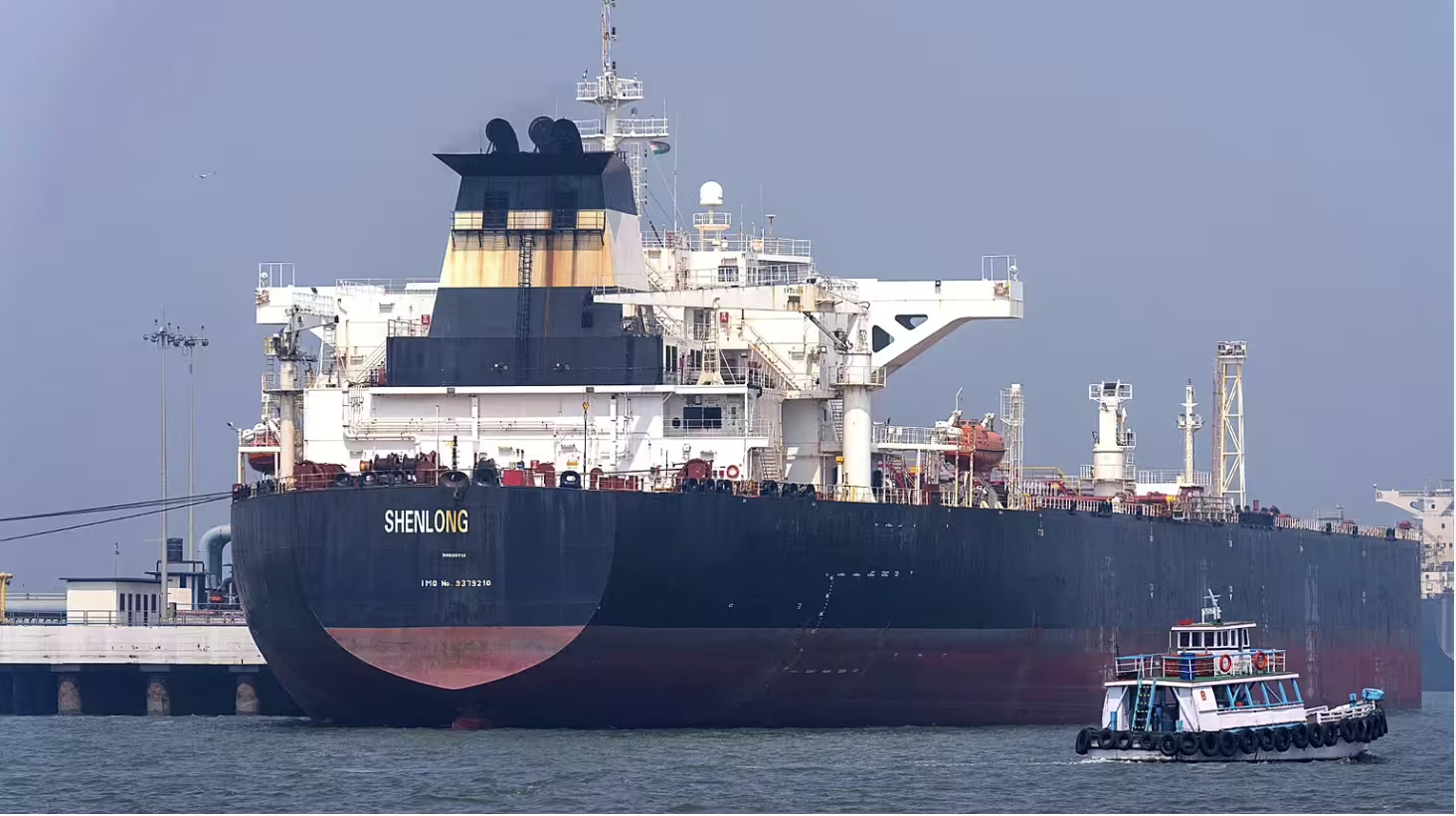
- Hormuz claim: Trump said more oil had crossed the Strait of Hormuz over the previous two days than at any other time, including before the war, without providing figures. The waterway carries a substantial share of global oil and gas trade, making sustained disruption consequential beyond the Gulf.
- Iranian outreach: The Islamic Revolutionary Guard Corps issued a 25-page open letter to Americans before the November 3 midterm elections, urging voters to reject Trump’s policies and protest Washington’s war-making approach. Spokesman Hossein Mohebbi accused Trump of misleading Americans about Iran’s nuclear ambitions and offered conditional coexistence between the two peoples if U.S. foreign policy changed.
Between the lines
The confrontation now extends across military operations, sanctions, energy routes, financial markets, mediation and political messaging. Washington is seeking to raise the cost of sustaining Iran’s military infrastructure, while Tehran is challenging the U.S. account of the war by addressing American voters directly.
What’s next
The November 3 midterm vote will decide control of both chambers of Congress, providing the next concrete test of Iran’s effort to influence U.S. political debate. Qatar’s mediation will also be measured by whether either side sends further proposals on ending the fighting, sanctions or the Strait of Hormuz.