Key Points
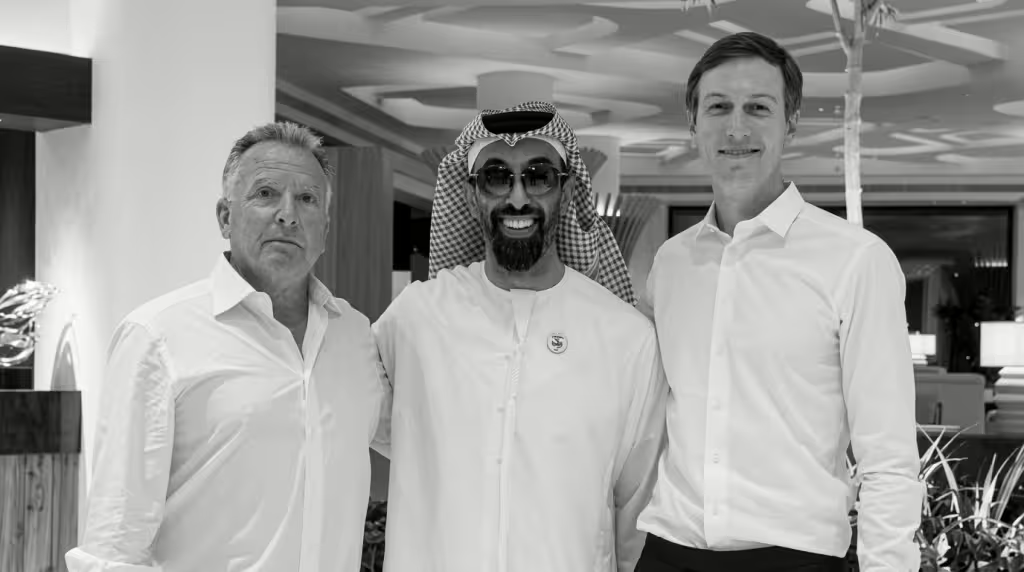
- Steve Witkoff and Sheikh Tahnoon bin Zayed discussed Washington’s next steps on Iran in Sardinia.
- The meeting followed failed de-escalation efforts and renewed Iranian attacks against tankers linked to the UAE.
- Abu Dhabi’s role spans Hormuz security, sanctions enforcement and Iran’s access to regional trade and finance.
The latest
White House envoy Steve Witkoff met UAE National Security Adviser Sheikh Tahnoon bin Zayed Al Nahyan in Sardinia last weekend to discuss the Iranian crisis and other issues, two people familiar with the previously undisclosed talks said. The meeting places Abu Dhabi at the center of Washington’s military, maritime and economic strategy toward Tehran. The White House declined to comment.
Details
- Tahnoon’s position: Sheikh Tahnoon is the brother of UAE President Sheikh Mohammed bin Zayed, serves as Abu Dhabi’s deputy ruler and holds investment and technology responsibilities.
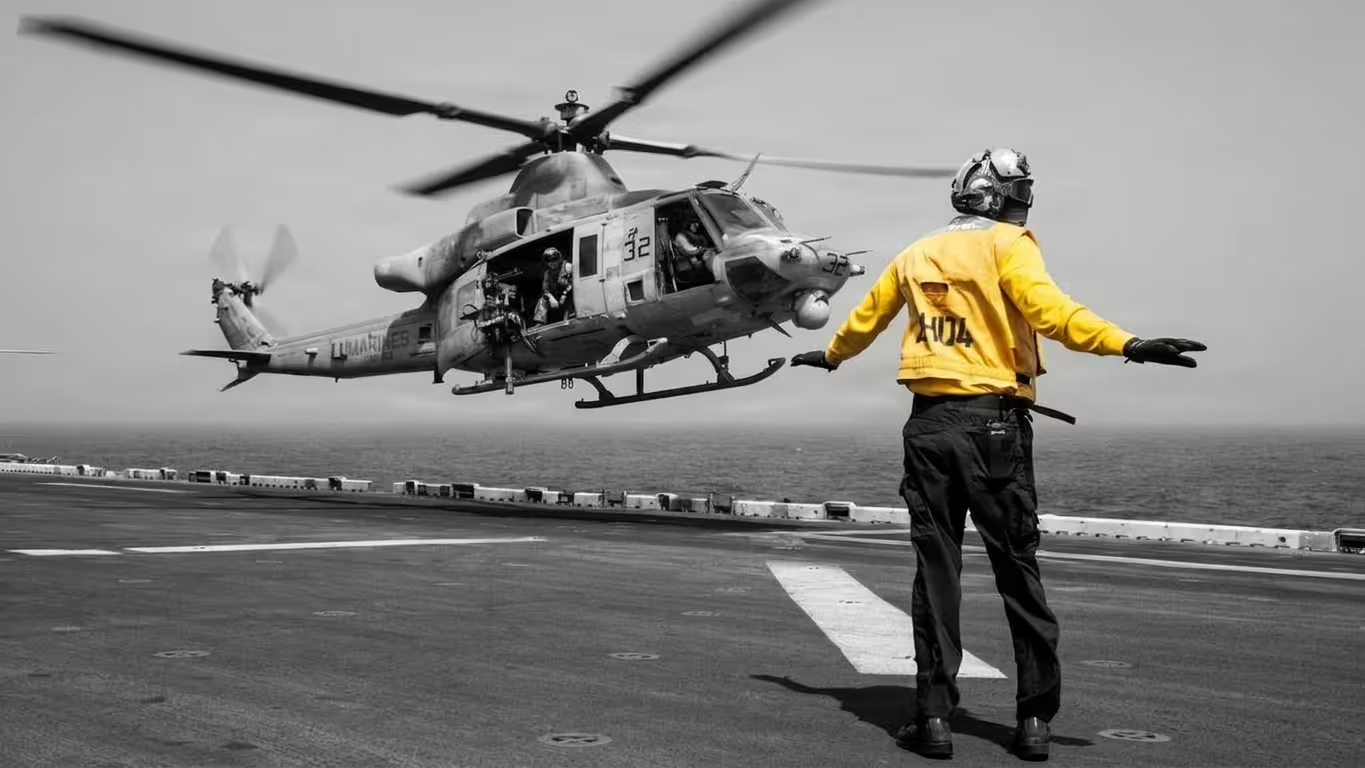
- Hormuz partnership: Washington regards the UAE as a key partner in the US-led effort to reopen the Strait of Hormuz and guide oil tankers through the waterway. That role connects bilateral security cooperation directly with the protection of energy shipments and regional trade.
- Sanctions campaign: Treasury Secretary Scott Bessent spoke with Sheikh Tahnoon before announcing “Operation Economic Outcast,” which is designed to impose severe sanctions on countries and entities continuing business with Iran. Washington is also establishing an interagency task force to coordinate implementation and enforcement.
- Banking action: On the day of the Sardinia meeting, the US Treasury moved against UAE branches of Egypt’s Banque Misr over transactions involving Iran, threatening their access to dollar transactions. The UAE Central Bank said it would urgently examine the Iranian dealings involving those branches.
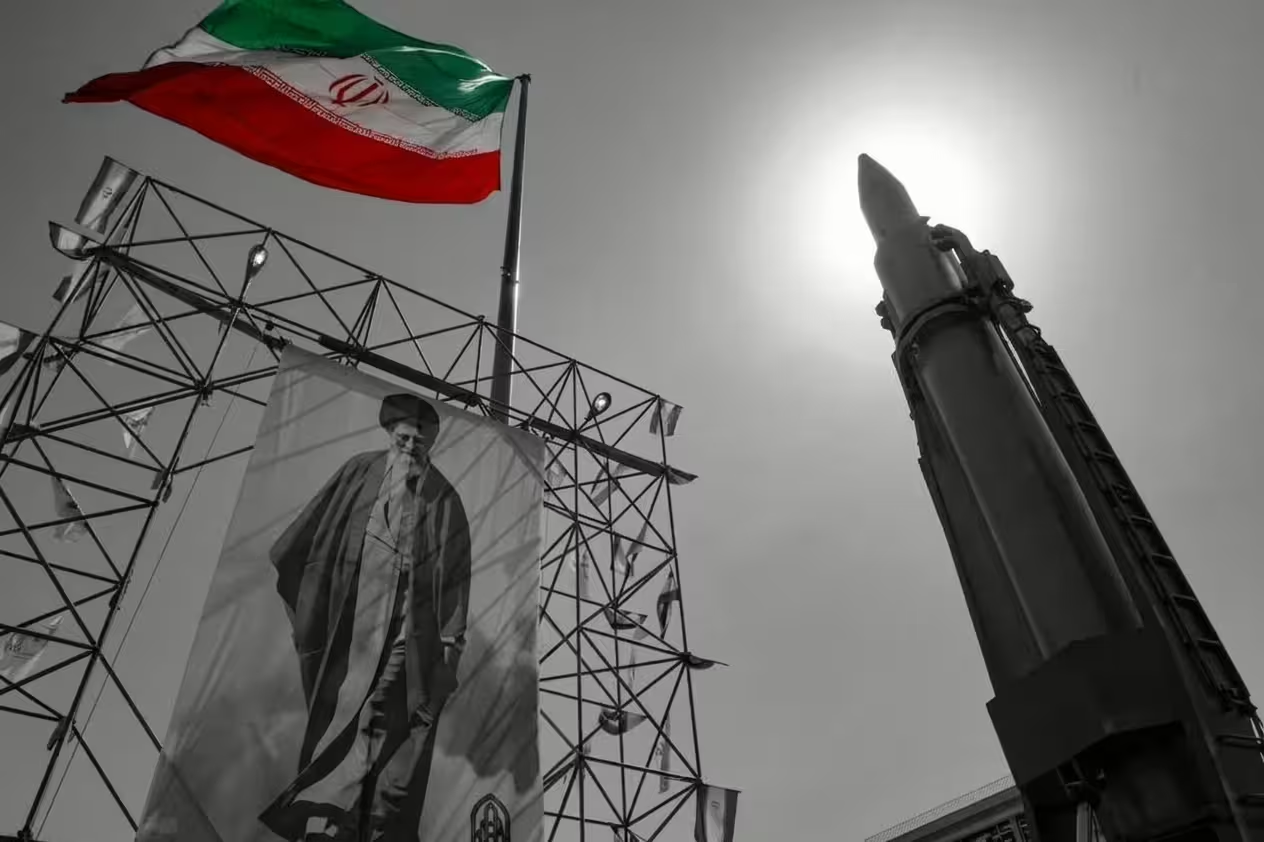
- Abu Dhabi channel: An Iranian delegation visited Abu Dhabi on August 11 for discreet talks with Emirati officials. Tehran sought de-escalation after launching thousands of missiles and drones at the UAE during the war, requested help securing food and medicine, and urged Abu Dhabi not to cooperate with US sanctions. Emirati officials immediately rejected the sanctions request.
- Tanker escalation: In the following days, the Islamic Revolutionary Guard Corps intensified attacks on tankers belonging to the UAE’s national oil company as they attempted to cross Hormuz. The attacks angered Emirati officials and became a major factor in Abu Dhabi’s decision to suspend trade, commercial exchanges and financial transactions with Iran.
- Economic stakes: UAE-Iran trade reached $28 billion in 2024, with Dubai historically serving as a major Iranian commercial and re-export hub. Emirati officials told the Trump administration that sanctions would succeed only if all major countries trading with Iran faced comparable pressure.
Between the lines
The UAE now connects three strands of Washington’s strategy: restoring maritime access through Hormuz, enforcing Iran’s economic isolation and maintaining a diplomatic channel that Tehran directly tested before renewed tanker attacks disrupted the opening.
What’s next
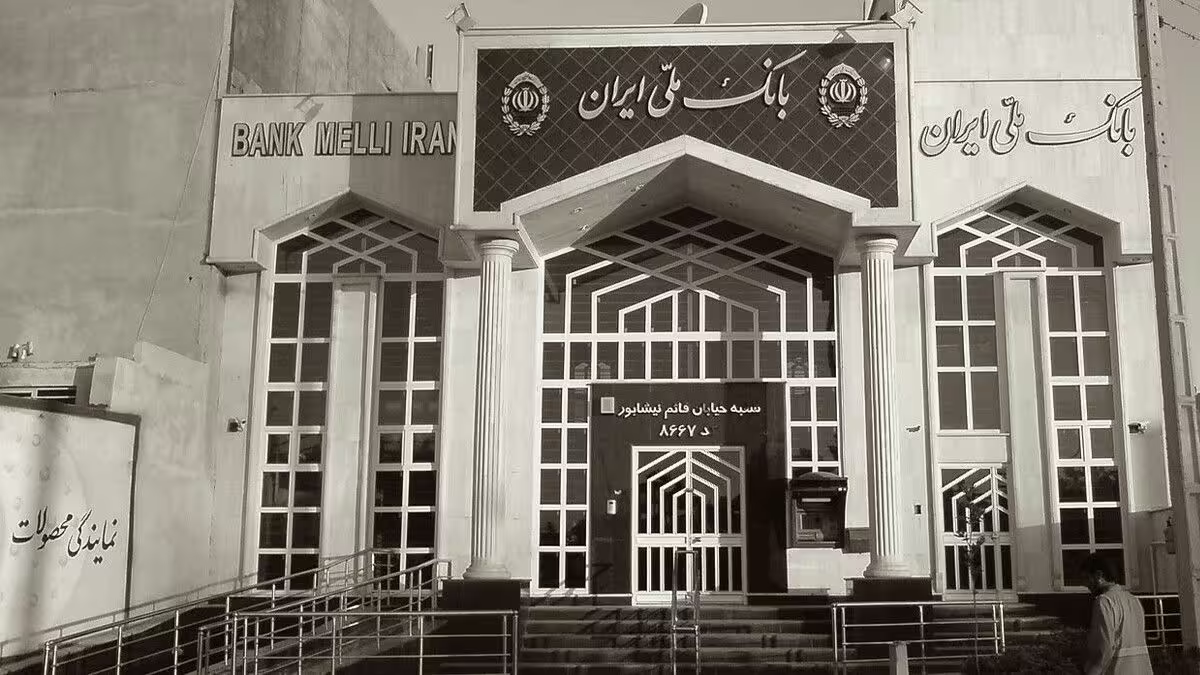
Secretary of State Marco Rubio instructed US embassies to press governments to sever trade with Iran and close branches of Bank Melli and Bank Saderat identified as IRGC-affiliated. The next concrete indicator will be government responses in Abu Dhabi, Muscat, Doha, Hong Kong, London, Berlin and Central Asian capitals.