Key Points
- Maritime restrictions and sanctions are raising costs as Iranian households lose purchasing power.
- Export disruption squeezes foreign currency and state revenue while war damage burdens major industries.
- Available reporting shows an affordability crisis, but not verified nationwide shortages of essentials.
The latest
Iran’s maritime blockade is increasingly transmitting external pressure into food, medicine, wages and jobs, according to Shargh, Deutsche Welle Persian and Iran International Persian. Shipping restrictions can raise freight, insurance and imported-input costs while disrupted oil and non-oil exports reduce foreign-currency earnings. Household accounts describe cutbacks and steep price increases, although they remain unverified and cannot establish nationwide conditions. The reviewed material documents essentials becoming harder to afford, but does not establish a general physical shortage across Iran.
Details
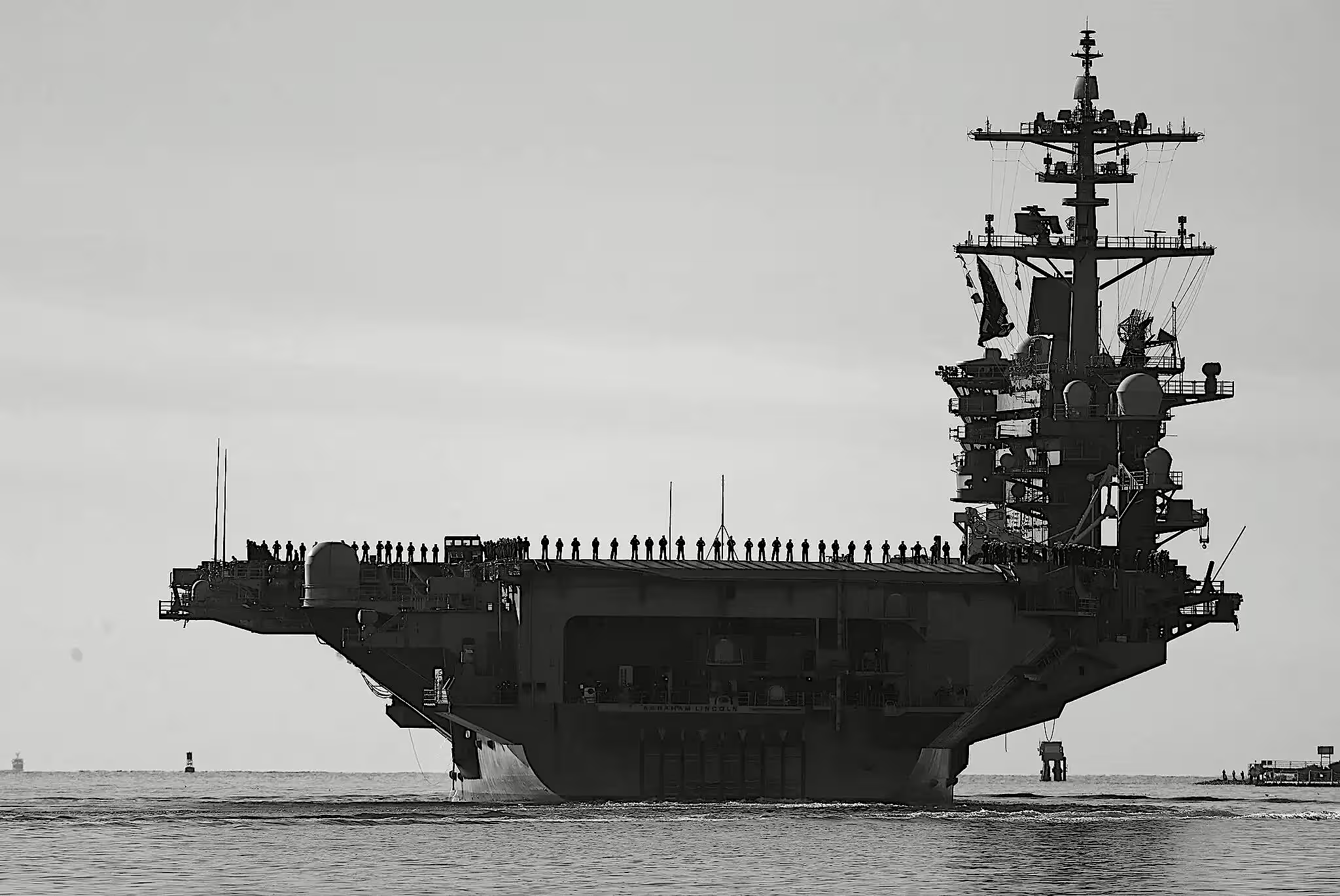
- Trade routes: Shargh called the confrontation a “blockade within a blockade,” linking pressure around the Strait of Hormuz and maritime access to the wider conflict with Washington. Iran’s exposure extends beyond crude: disrupted shipping can affect imports, industrial components, port traffic, transport and insurance costs.
- Fiscal strain: Iran International Persian linked blocked ports and wartime damage to pressure on petrochemicals, steel and transport. Prolonged disruption to oil and non-oil exports would cut government revenue and foreign-currency inflows just as reconstruction and military expenditure rise, narrowing Tehran’s room to finance recovery.
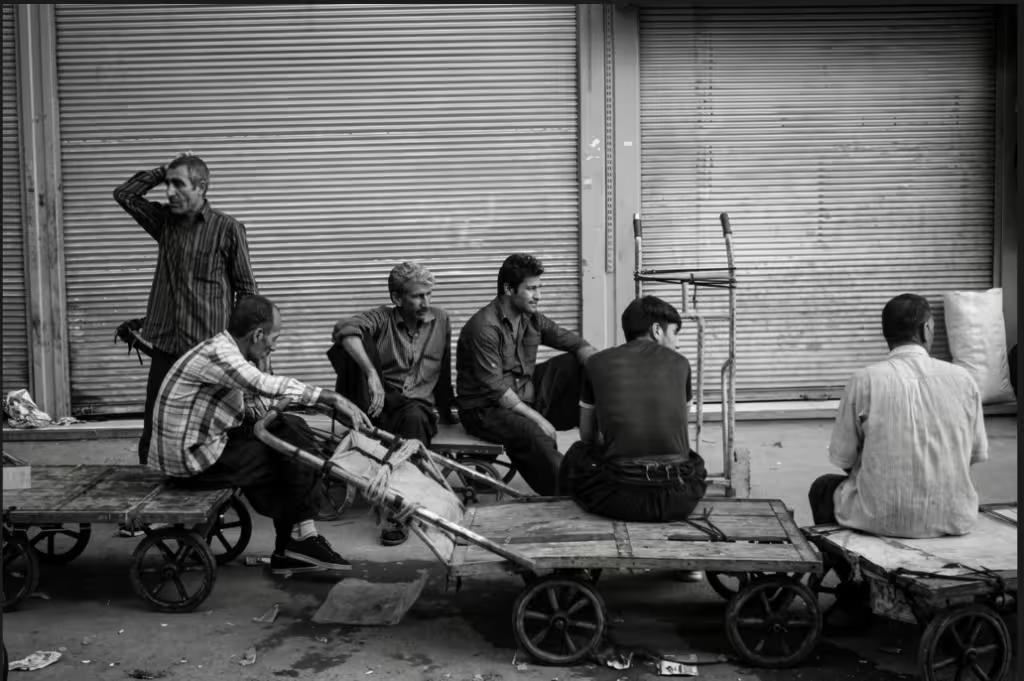
- Food budgets: Individual accounts say families are buying less meat, chicken, eggs and clothing. One person put a single egg at 20,000 tomans, but that figure is not independently verified and is not a nationwide market price. The evidence supports eroding affordability, not broad scarcity.
- Jobs and wages: Testimonies describe cafés cutting staff and experienced workers struggling to find employment. A worker attributed to Khuzestan Steel said he received half his Esfand salary and his family sold his wife’s gold to meet expenses. The account is unverified and cannot establish company-wide or national conditions.
- Medicine access: A doctor inside Iran said an anti-epilepsy medicine rose from 500,000 to 1.6 million tomans and some patients could no longer afford it. No official or market pharmaceutical data supplied here confirms the claim, but it highlights risks from higher import and distribution costs.
- Pressure strategy: Bloomberg reported that Washington has added about 2,200 Iran-related sanctions since 2018, including roughly 350 under the latest campaign. The administration says sanctions and the naval blockade are exhausting Iran’s finances. China accounts for more than 90% of Tehran’s oil exports, according to the report. Major Chinese banks have not yet been targeted. Analysts remain skeptical that economic pain alone will force nuclear concessions or political change.
What’s next
A planned September meeting between Trump and Chinese President Xi Jinping is the next concrete decision point as Washington weighs sanctions on major Chinese banks financing Iranian oil trade. Wage payments, pharmaceutical and food prices, the rial, port traffic and freight costs are the key indicators of whether household pressure is widening.