The latest
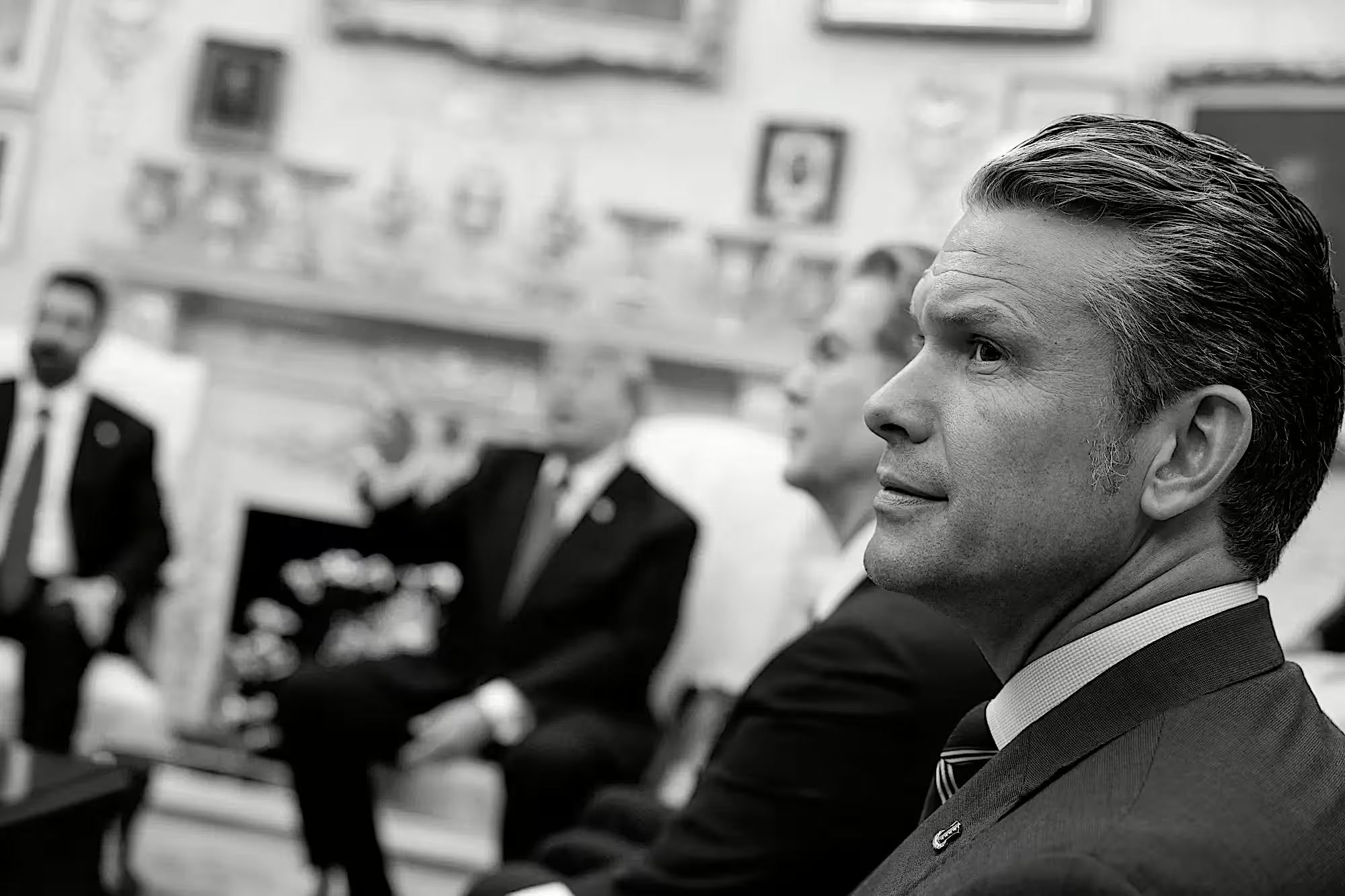
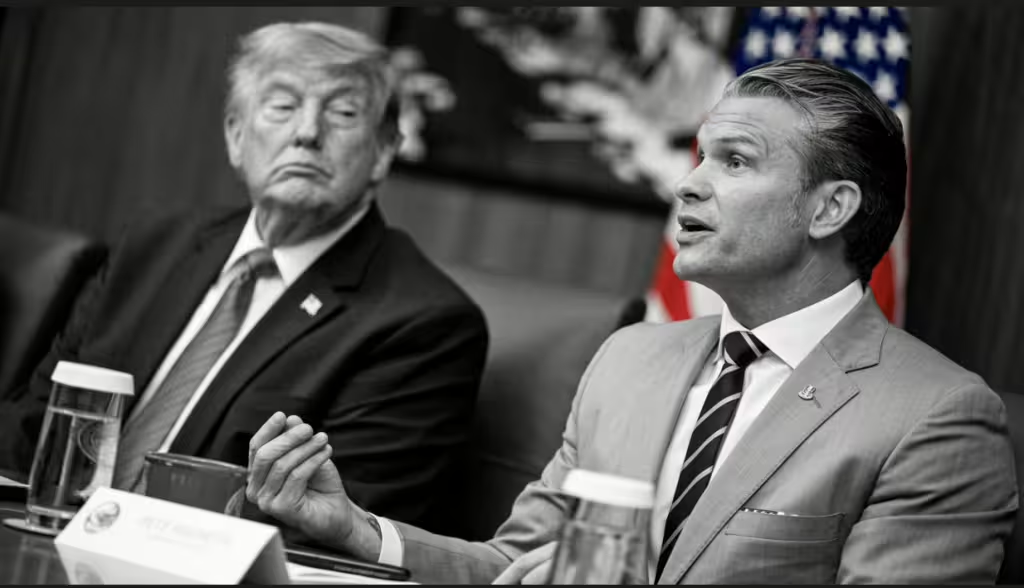
President Donald Trump confronted Defense Secretary Pete Hegseth at Camp David over severe munitions shortages limiting options against Iran, two people familiar with the exchange told The Washington Post. They said Trump believed the problem had been fixed and that depleted long-range missiles and air-defense interceptors helped deter further large strikes. White House press secretary Karoline Leavitt called the account “100% fake news,” while Pentagon spokesman Sean Parnell denied Hegseth misled Trump or blamed Deputy Secretary Stephen Feinberg.
Details
Combat expenditure: The Post reported that US forces fired more than 850 Tomahawks and used over 1,000 Patriot and THAAD interceptors in the first month. A US official said more than 1,300 ATACMS were used early in the war. From February 28 to April 7, US forces struck 13,000 targets and countered 8,500 Iranian munitions or drones.
Production bottleneck: New US agreements cover critical weapons, including Patriot missiles, but production can take up to two years. Brad Bowman of the Foundation for Defense of Democracies said companies cannot begin manufacturing without contracts and congressional appropriations, leaving replenishment likely to take years.
Funding impasse: Hegseth, Feinberg and Joint Chiefs Chairman Gen. Dan Caine requested $67 billion to cover war costs and refill stocks. Senate Republicans have not settled on a route for the package, while Democratic objections have stalled the administration’s record $1.5 trillion defense request.
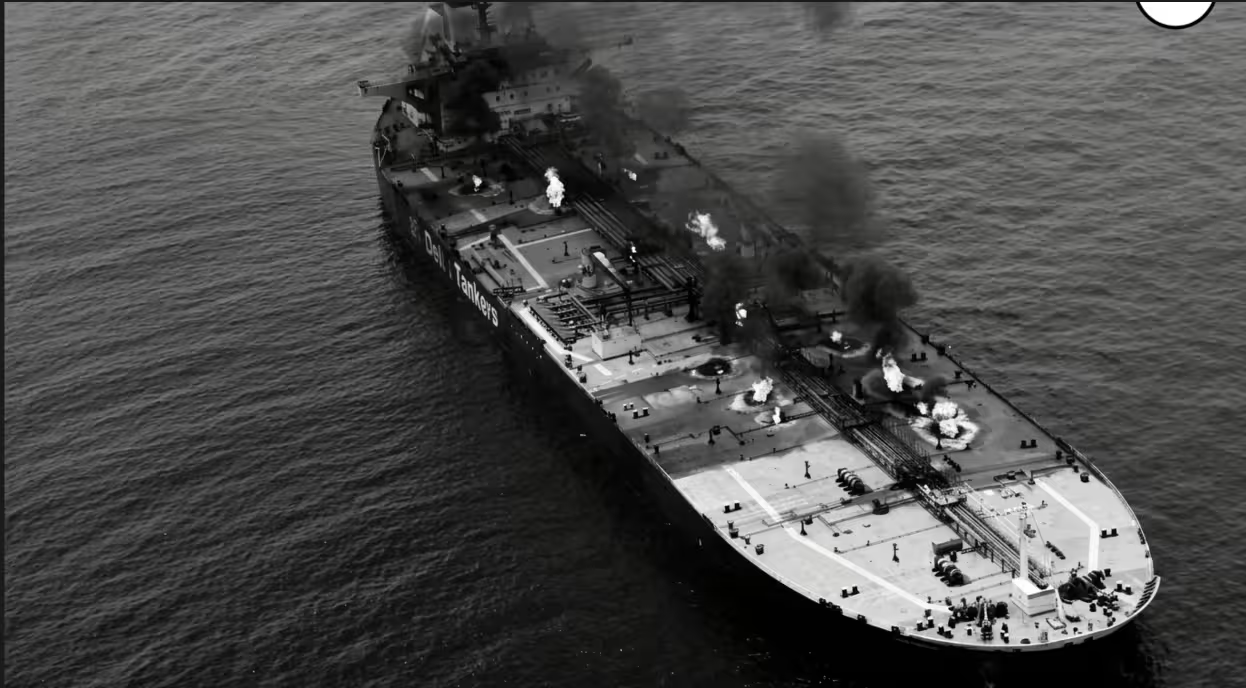
Hormuz framework: Iran said it and Oman agreed coordinates for a navigable channel and were finalizing a joint statement on a temporary arrangement. Iranian officials said inbound and outbound vessels would cross portions of Iranian waters, but warned safe passage still depended on ending the US naval blockade of Iranian ports.
Conflicting terms: Reuters sources said a proposal would give Iran control of Gulf-bound traffic and discussed Iranian fees of 5% to 7% of cargo value. The Financial Times, citing people briefed on negotiations, said no fees would apply temporarily and outbound ships would use mostly Omani waters. Washington did not immediately comment on the proposal.
Broader pressure: The Post said interceptor scarcity is affecting threat-response decisions and Western capacity to replenish Ukraine’s air defenses. After five months of war, Washington reported 18 US service members killed; Iran reported more than 3,400 deaths. About one-fifth of global oil and gas normally passes through Hormuz.
What’s next
Iran and Oman are expected to issue their joint statement on the temporary route after Trump said an agreement could come Wednesday or Thursday. The text will show who supervises inspections, whether fees apply and what triggers a US blockade lift. In Washington, the Senate’s handling of the $67 billion request is the clearest near-term stockpile indicator.