The latest
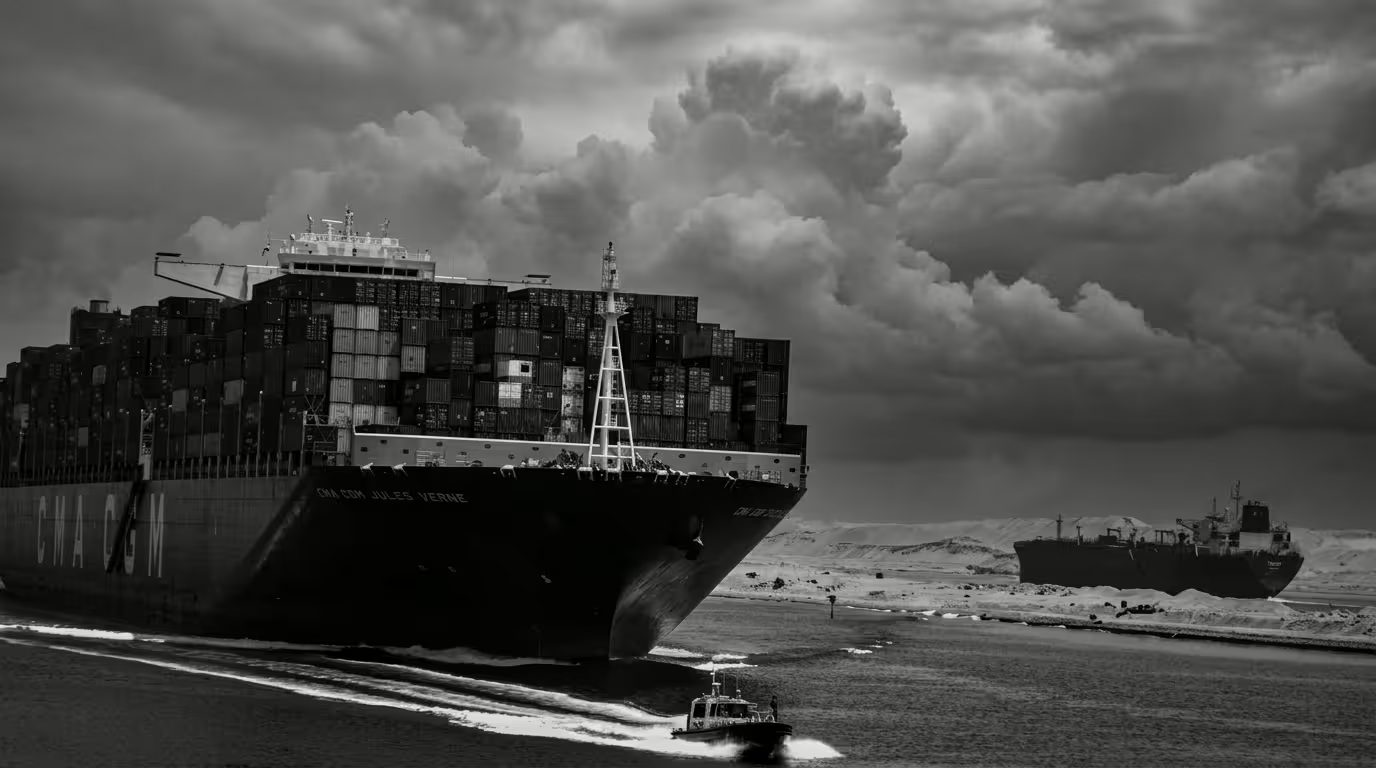
Political signals have yet to translate into safer shipping conditions in the Gulf. Kpler shipping data showed vessel traffic through the Strait of Hormuz and Bab el-Mandeb remained at subdued levels, while a merchant ship was hit by an unidentified projectile off the coast of Oman, according to the UK Maritime Trade Operations (UKMTO), reinforcing security concerns despite reports of possible progress in U.S.-Iran talks.
Details
• Bab el-Mandeb traffic: Twenty vessels, including 12 oil tankers and eight bulk carriers, transited the waterway on Monday, unchanged from the previous day, according to Kpler.
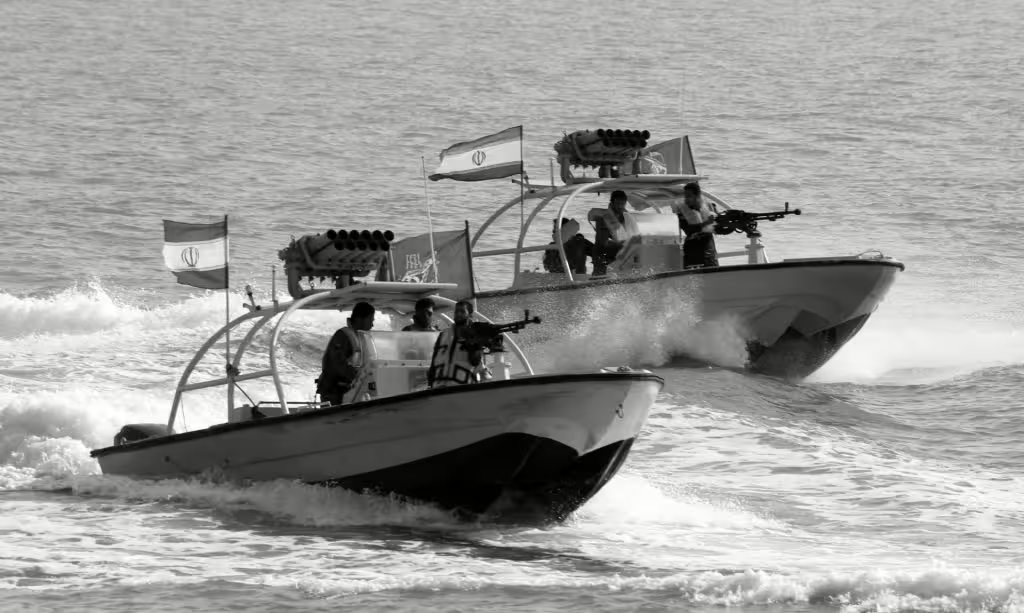
• Hormuz traffic: Only six vessels crossed the Strait of Hormuz—three oil tankers and three bulk carriers—down from seven the previous day. Most used the Iranian shipping lane, while additional ships may have sailed with transponders switched off.
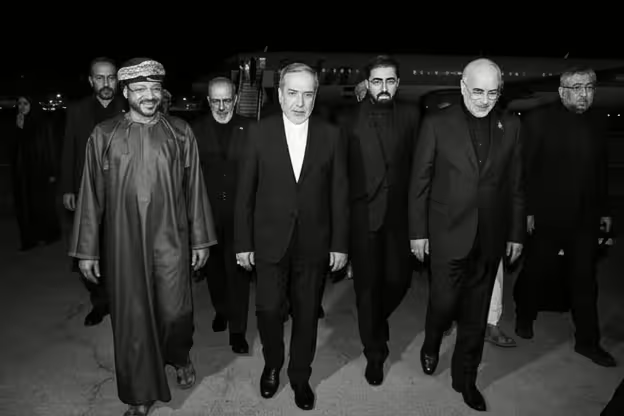
• Iran’s position: Foreign Ministry spokesman Esmaeil Baghaei said there are no ongoing negotiations or scheduled meetings with the United States, rejecting Trump’s assertion that a new round of talks was beginning.
• U.S. position: Trump said he postponed new strikes on Iran after, according to him, Saudi, Emirati and Qatari intermediaries indicated that an agreement on the Strait of Hormuz and Iran’s nuclear program could be within reach.
• Maritime incident: UKMTO reported that a merchant vessel was struck by an unidentified projectile off the coast of Oman. The agency did not identify those responsible or specify the extent of the damage.
• Shipping caution: Reuters reported that security risks have prompted some Saudi-flagged very large crude carriers to reroute via the Cape of Good Hope instead of the Gulf of Aden following Houthi threats against Saudi shipping.
Background
Roughly one-fifth of the world’s seaborne oil trade passes through the Strait of Hormuz, making it one of the most strategically important energy chokepoints. Bab el-Mandeb links the Red Sea with the Indian Ocean and has faced repeated disruptions over the past two years due to Houthi attacks on commercial vessels. As a result, shipping companies continue to base operational decisions on security conditions rather than political statements alone.
What to watch
Markets will focus on whether Washington and Tehran formally announce renewed negotiations, while shipping and maritime security data in the coming days will indicate whether risks are easing or caution continues to dominate one of the world’s most critical energy corridors.