The latest
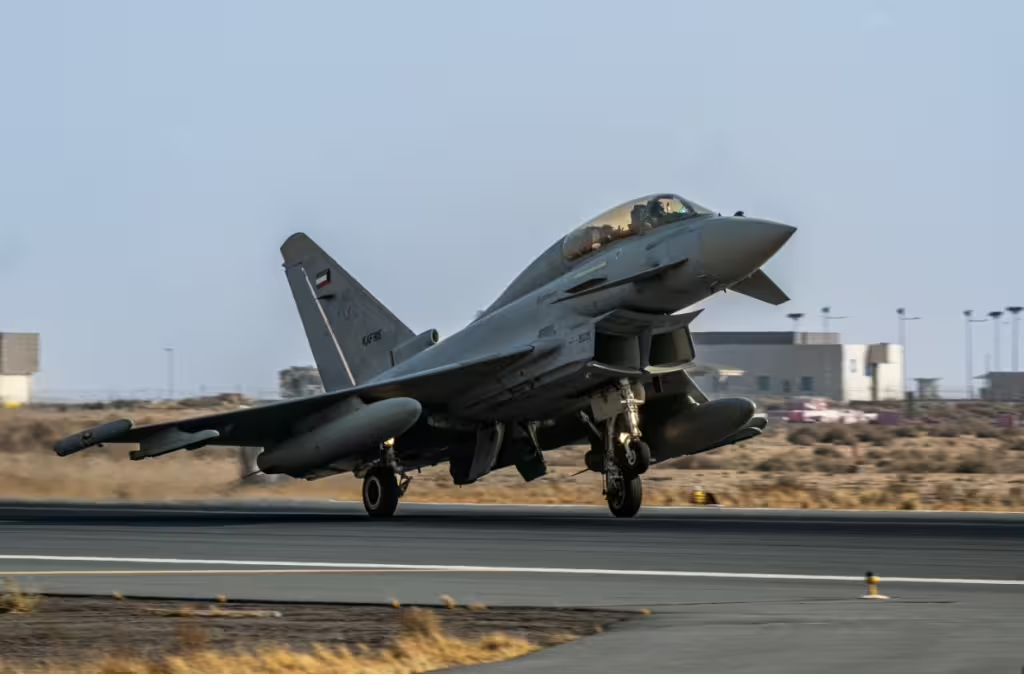
Kuwait and Bahrain sent warplanes to strike military sites inside Iran in early July, marking an unprecedented retaliatory move by the two countries, according to people familiar with the operation. The attacks targeted missile and drone storage facilities, among other military sites.
The UAE supplied intelligence on the targets and defensive air cover for the aircraft, signaling emerging Gulf coordination against Iran. The Kuwaiti and Bahraini governments have not officially confirmed the operation and did not respond to requests for comment.
The strikes followed weeks of Iranian attacks on the two countries, both of which host U.S. military bases. Tehran also targeted critical infrastructure, including a power plant and water desalination facility in Kuwait, increasing pressure on both governments to respond.
Details:
- Military shift: The attacks represent the first known direct offensive action by Kuwait and Bahrain against Iran.
- UAE role: The UAE provided targeting intelligence and defensive air cover after conducting its own strikes inside Iran earlier in the war.
- Official position: Abu Dhabi declared solidarity with Kuwait and Bahrain while calling for de-escalation and the full reopening of the Strait of Hormuz.
- Gulf divide: Qatar and Oman remain reluctant to confront Tehran, while Saudi Arabia is reassessing its position after participating in earlier strikes.
- Economic pressure: Disruption in Hormuz has crippled Gulf oil exports, while Houthi attacks threaten the Red Sea route.
- Extended war: The conflict has entered its fifth month with no sign that Iran or the United States and its allies are backing down.
Between the lines
The operation shows that attacks on Gulf infrastructure are changing the calculations of states that long sought to avoid direct confrontation with Iran. UAE support also suggests that collective defense could evolve into joint operations if the war and threats to trade routes continue.
What to Watch:
The next question is whether Kuwait and Bahrain will continue striking Iran or treat the operation as a limited response, and how Tehran will react to their direct involvement. Decisions by Saudi Arabia, Qatar and Oman will determine whether this remains a contained action or develops into a broader Gulf front.