The latest
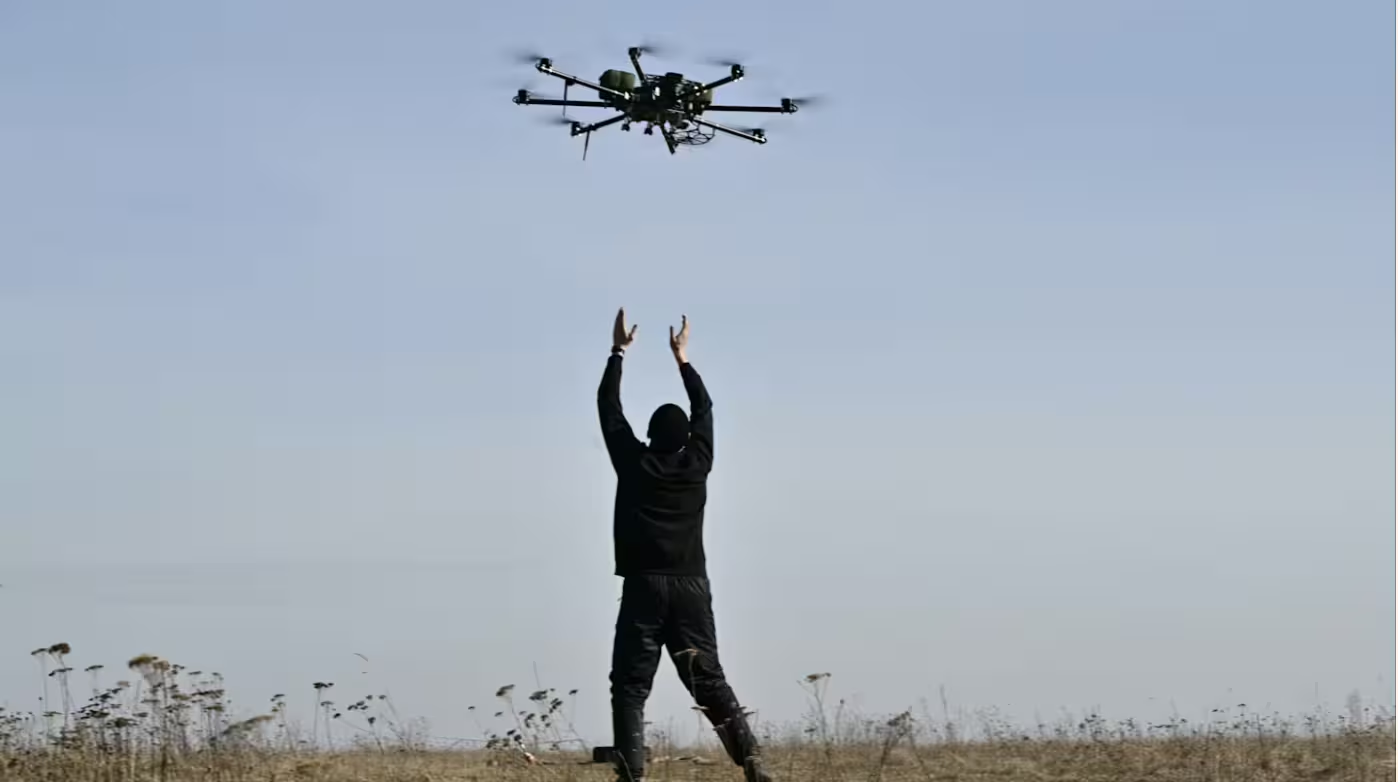
Companies that operate critical infrastructure face growing pressure to strengthen physical and digital security as recent conflicts have extended attacks to civilian and commercial facilities, including ports, refineries, airports, desalination plants and data centres.
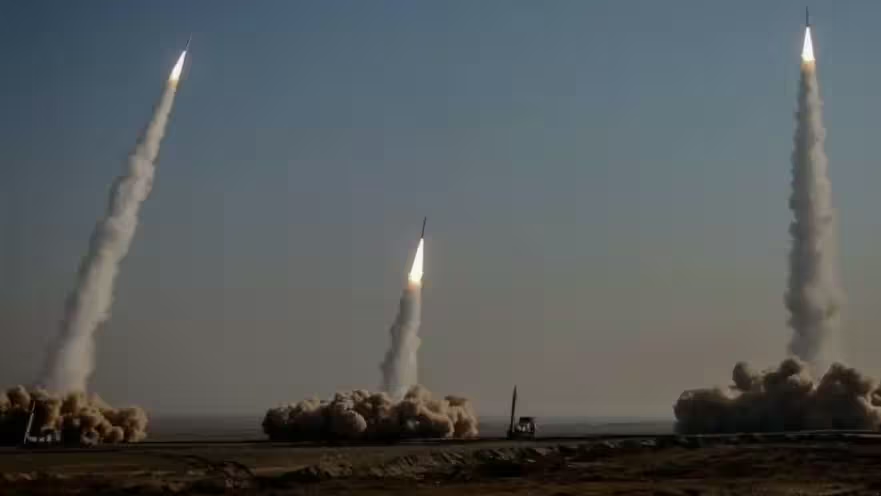
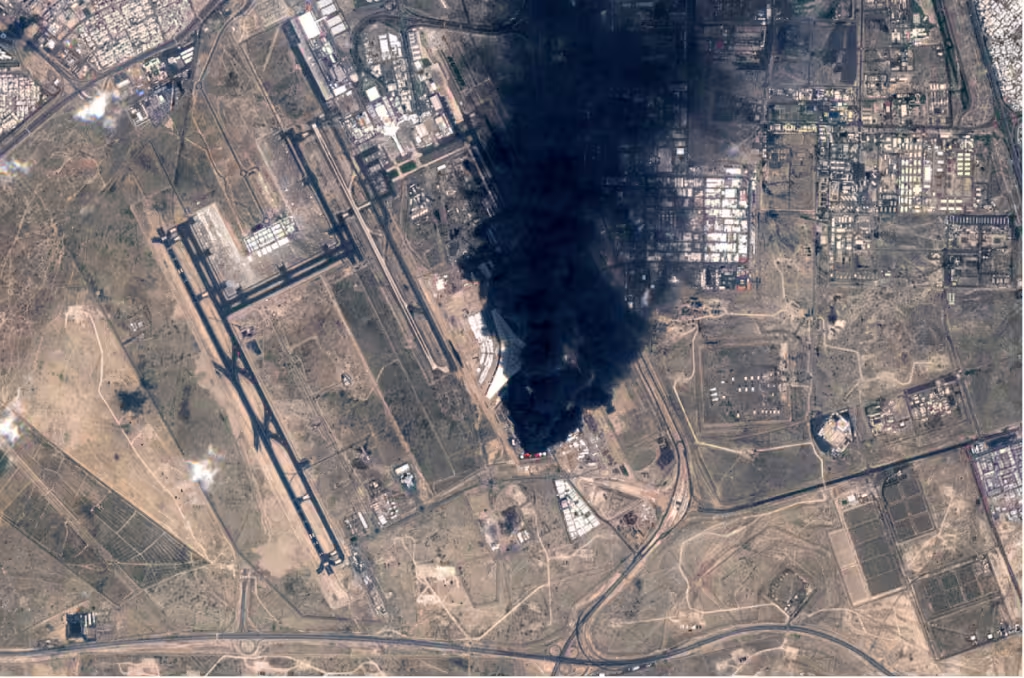
Regional attacks during the Iran war exposed the vulnerability of commercial assets linked to essential services. Jebel Ali Port in Dubai was attacked in the early days of the conflict, while drone strikes in March hit data centres in the UAE and Bahrain used for banking and commercial services.
Details
- Changing threat: Digital networks and internet-connected equipment are increasingly used to target physical infrastructure, including building controls, factories and water systems.
- Cost of protection: Facilities such as desalination plants and data centres may require extra reinforcement, backup capacity or more secure locations, raising operating and investment costs.
- Security responsibility: Companies can invest in monitoring, repairs and redundancy, but deterrence, patrols and attribution of hostile activity remain government and military functions.
- Regulatory response: The EU is strengthening rules to reduce infrastructure vulnerabilities, while other countries are considering tougher penalties for subsea sabotage and new protection requirements in sectors including energy and finance.
Between the lines
Corporate resilience is no longer only an operational issue. As private assets become more central to trade, energy, data and public services, their protection is increasingly becoming part of national defence, while responsibility and funding remain unresolved.
What to watch
The next question is how much public support and regulatory incentive governments will provide for companies to protect critical assets, and whether new standards will apply across the economy or remain limited to specific sectors.