The latest
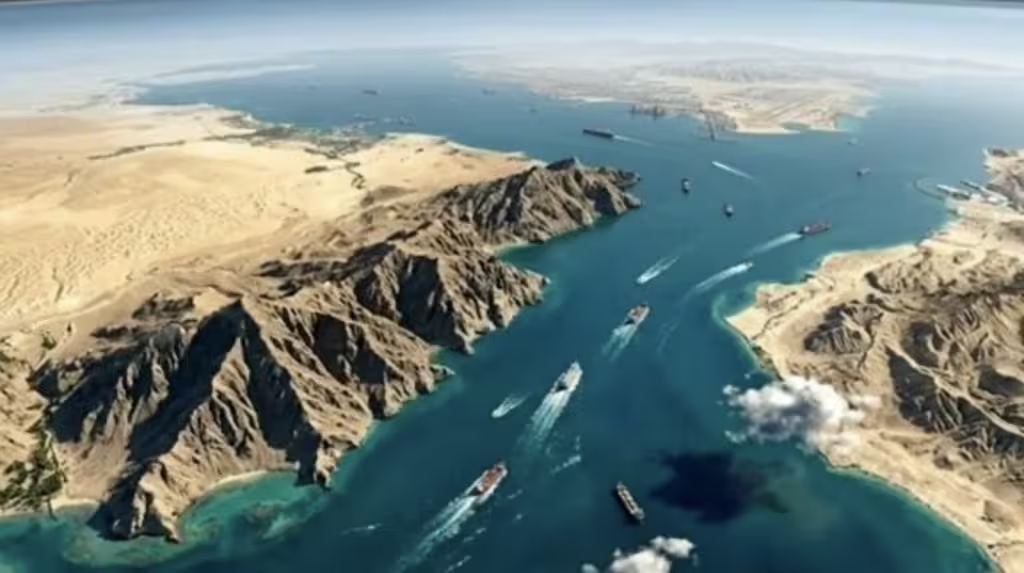
The route running close to Oman’s coast has become one of the most sensitive bets inside the Strait of Hormuz, as tankers shift toward it to avoid waters closer to Iran. But that option is no longer secure. Ships have come under attack, and traffic through one of the world’s most important energy corridors has become more unsettled.
The problem now is not a formal closure of the strait. It is that transit through it has become more costly, more complicated and less predictable. Shipowners and operators are weighing the risk of delay against the risk of being targeted, while Iran continues moving its own vessels through a slower and more disrupted channel.
That shift places Oman in the middle of a closely watched passage and makes any alternative route inside Hormuz less reassuring than before. The question is no longer simply whether the strait is open, but whether it remains navigable under tolerable commercial and security conditions.
Details
- Route: Some tankers have moved closer to Oman’s coastline in search of a safer passage through Hormuz.
- Threat: That route has not remained insulated, with ships facing attacks and rising concern over strikes inside the corridor itself.
- Traffic: Transit has not stopped بالكامل, but it has become slower and more difficult for commercial shipping.
- Trade-off: Shipping companies are now choosing between delay, higher costs and greater exposure during passage.
- Impact: Any further disruption on this line would quickly hit oil flows, insurance costs and transport pricing across the region.
Between the lines
The story is no longer about whether Hormuz is open or closed. It is about whether passage through it is still workable at anything close to normal cost and risk. That is a meaningful shift in how Gulf energy security should be read.
What to watch
Watch whether shipping companies keep using the route near Oman or move toward more cautious operating patterns as risks rise. The scale of any further attacks will also determine whether the disruption remains partial or turns into broader pressure on energy flows through Hormuz.