The latest
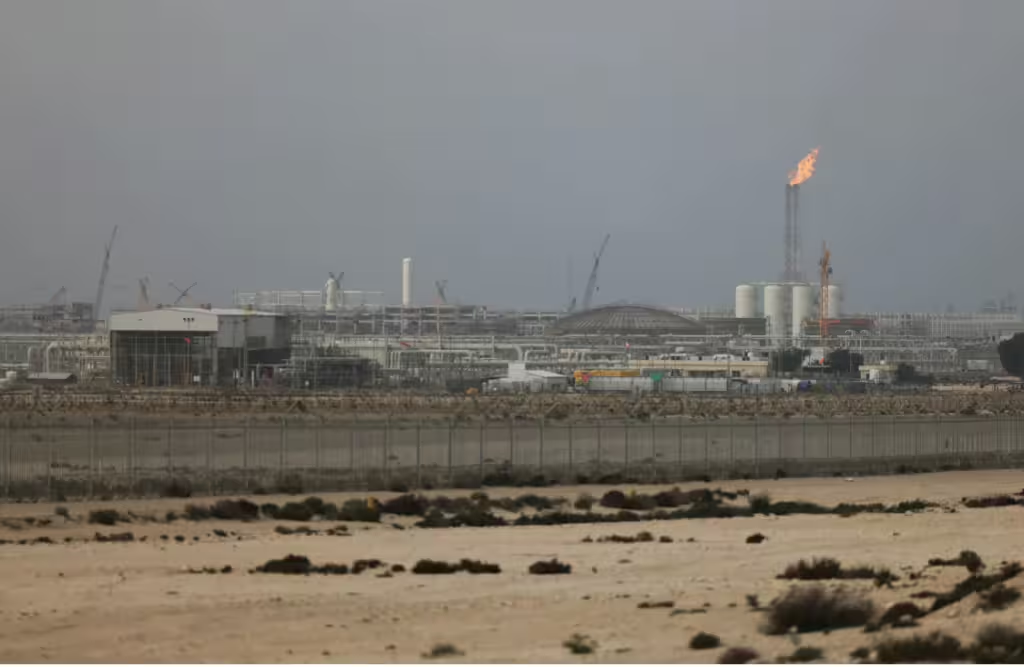
Qatar has frozen the fast restart of the world’s largest LNG facility after one of its tankers was struck in the Strait of Hormuz — a signal that passage through the crucial corridor remains highly risky. The decision followed a series of meetings at QatarEnergy and is one of the most visible fallouts of this week’s escalation, according to Bloomberg, citing people familiar with the matter.
Details
- QatarEnergy CEO Saad Al-Kaabi ordered the ramp-up stopped at Ras Laffan, keeping operations at a minimum for safety and reducing the number of vessels scheduled to dock, according to people who asked not to be identified given the sensitivity.
- The pause is one of the week’s biggest fallouts, coming amid attacks on several ships near Hormuz and two consecutive days of US strikes on Iran, with President Trump floating the prospect of a return to all-out war.
- Prices are already climbing. Asian LNG spot prices are more than 80% above pre-war levels, and European benchmark gas jumped Thursday above €50 a megawatt-hour for the first time since Washington and Tehran signed an interim peace deal last month.
- The trigger was a direct hit. Qatar’s Al Rekayyat tanker was struck by an Iranian missile on Tuesday, disabled, and abandoned by its crew — the first time a Qatari LNG tanker had been targeted since the war began in late February; two other vessels were also attacked, and Hormuz traffic nearly halted Thursday.
- The plant was already crippled, largely shut since early March after an Iranian drone attack, with about 17% of capacity damaged in a later missile strike that will take at least three years to repair; QatarEnergy has extended force majeure notices for some Asian customers into August.
What to watch
Qatar still aims to accelerate exports as soon as Hormuz reopens safely, and is keeping some Ras Laffan trains running at reduced capacity for a quick restart, even as 11 empty tankers wait outside the complex. But the pause will hold until tensions ease, and any further delay means more pressure on a global gas market heading into winter — especially as Qatar supplied about a fifth of the world’s LNG last year.