The latest
President Donald Trump moved to abandon the U.S. ceasefire with Iran after senior national security aides briefed him in the Oval Office on new Iranian attacks against ships in the Strait of Hormuz. The decision led to the revocation of Iran’s oil-sales license and new U.S. strikes on Iranian targets around the waterway.
Details
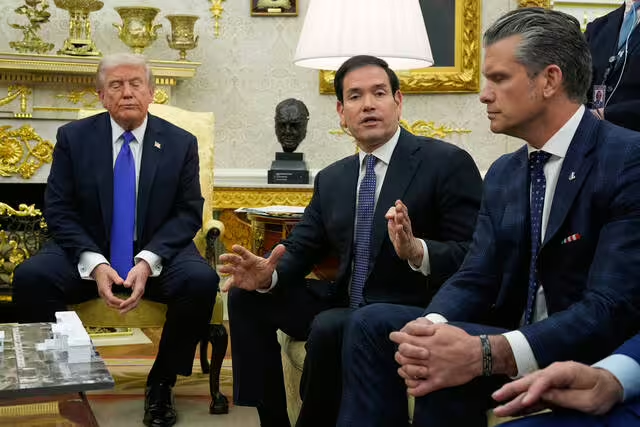
• Oval Office briefing: Secretary of State Marco Rubio and Defense Secretary Pete Hegseth briefed Trump before his trip to Turkey on reports of fresh Iranian attacks.
• Ship attacks: They told him Iran had fired anti-ship cruise missiles and one-way attack drones at vessels using a southern route through Hormuz.
• Trump’s conclusion: Trump asked whether Iran was serious about a final deal. After consulting aides, he decided Tehran was not.
• U.S. response: Trump revoked Iran’s oil-selling license, ordered strikes on Tuesday and Wednesday, and threatened to hit civilian infrastructure.
• Iran’s argument: An Iranian diplomat said Washington violated the deal by setting up a shipping lane that had not been coordinated with Tehran.
Background
The interim peace plan signed in June promised free passage through the Strait of Hormuz, but it left unresolved who would control, coordinate and police the route. That ambiguity became the fault line of the ceasefire.
What to watch
The next signals are Iran’s response to the U.S. strikes, traffic through Hormuz, oil prices, and whether Trump’s declaration ends the peace track or pushes both sides back into negotiations under military pressure.