The latest
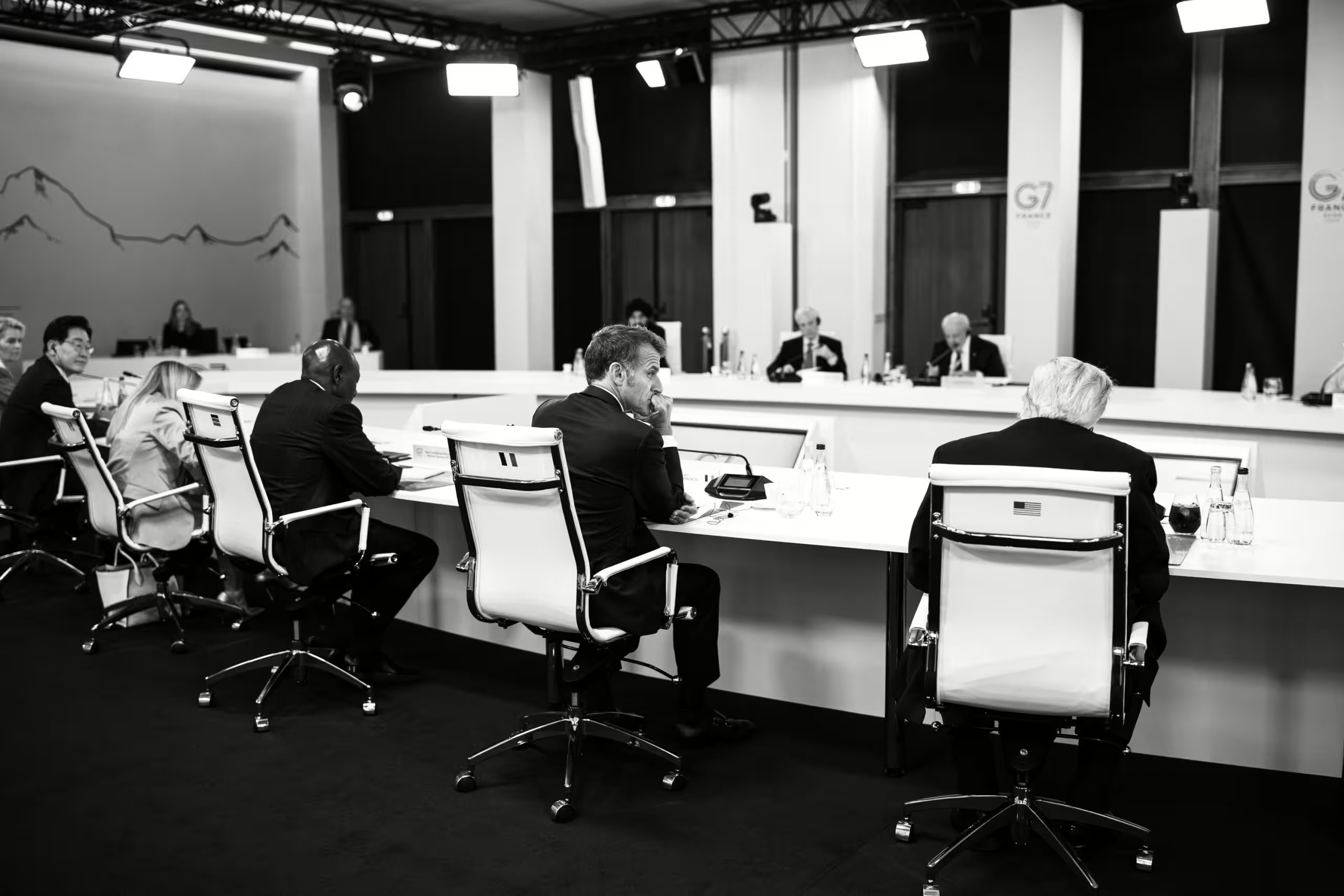
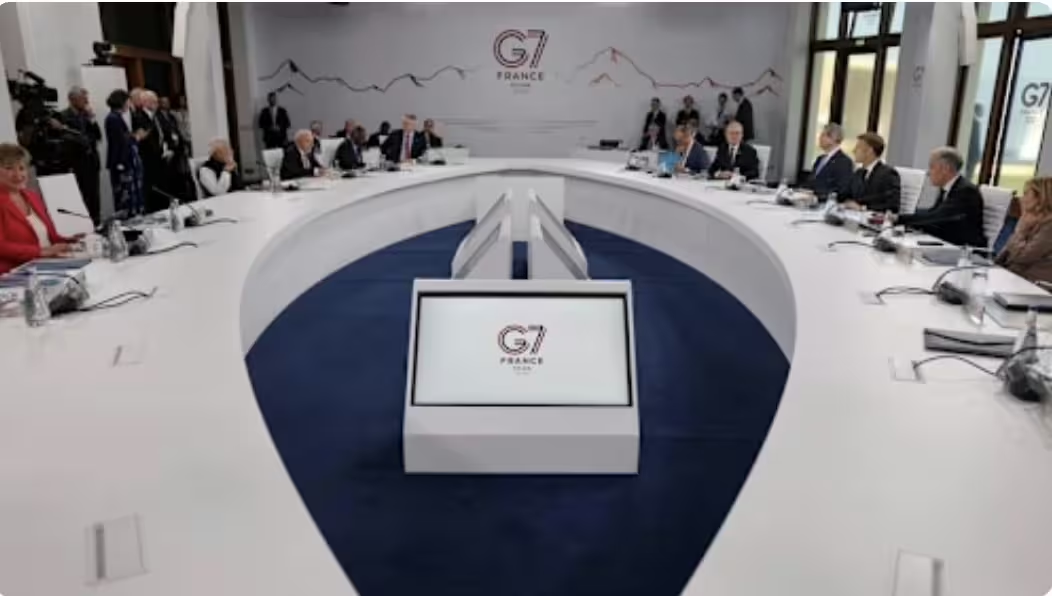
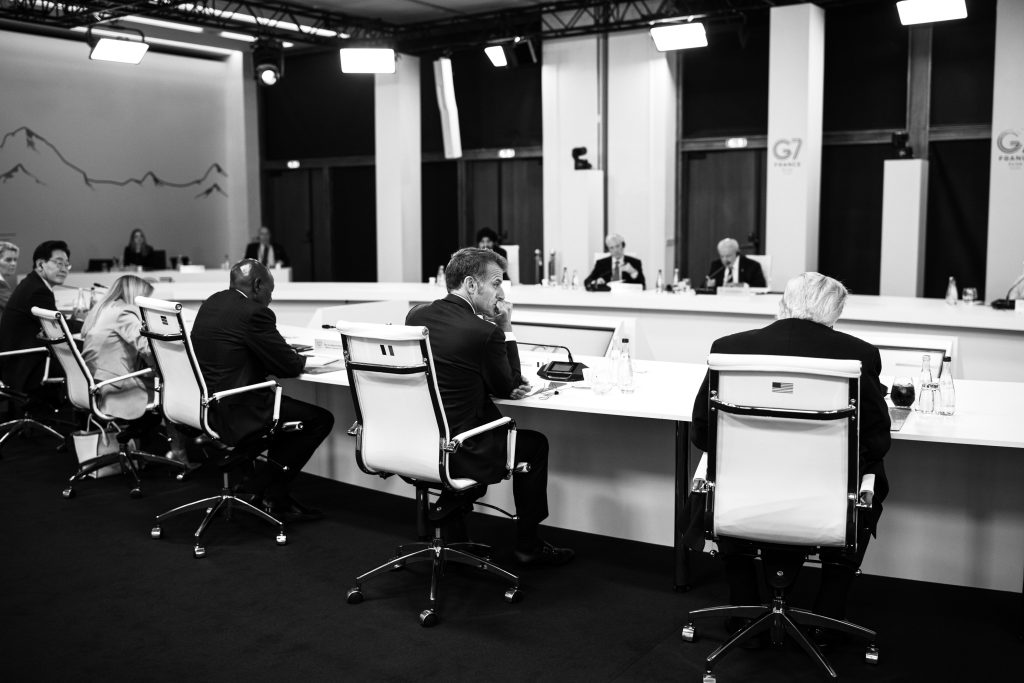
G7 leaders left Évian this week with a rare sense of relief. The summit did not end with a dramatic U.S. walkout, competing statements, or a public confrontation between Washington and its allies.
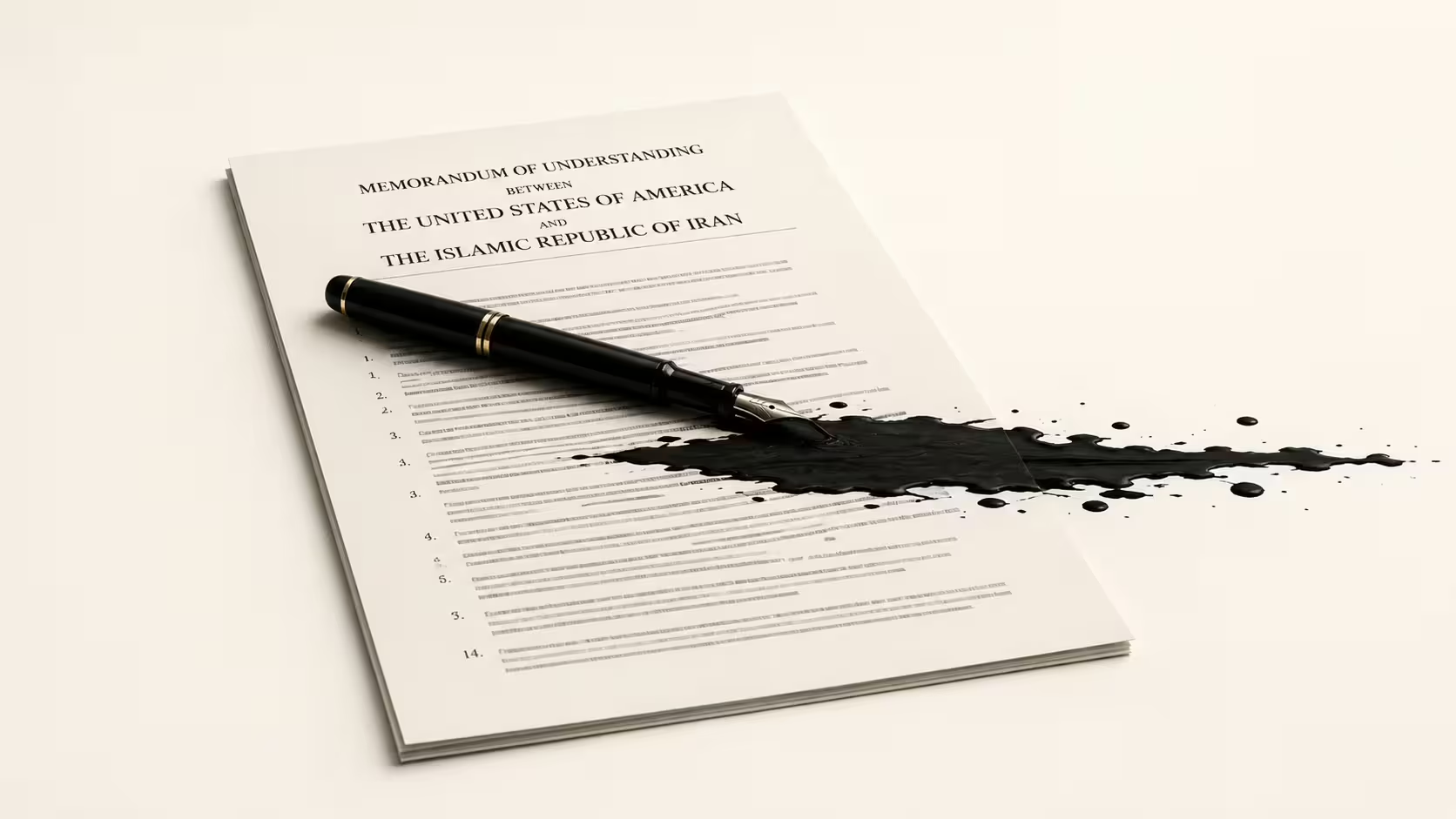
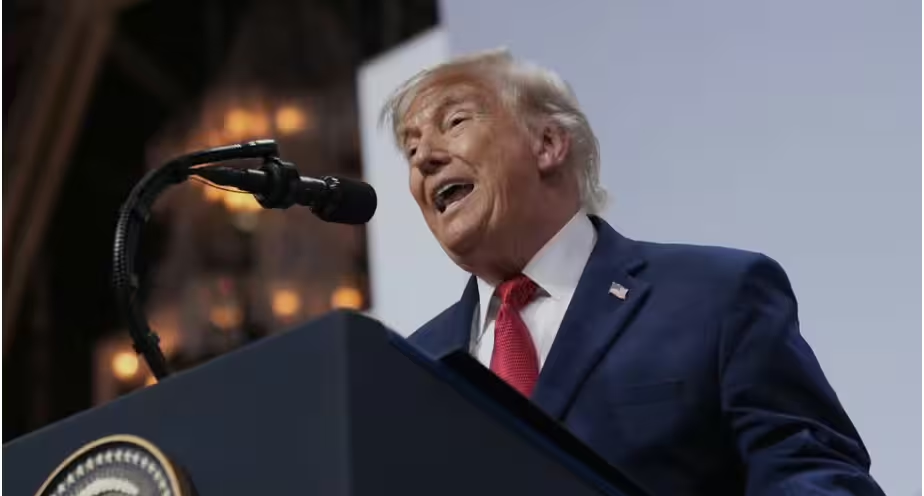
Instead, several European leaders found themselves praising Donald Trump after his administration reached a preliminary agreement with Iran that eased concerns about a wider conflict and renewed disruption to global energy markets.
Details
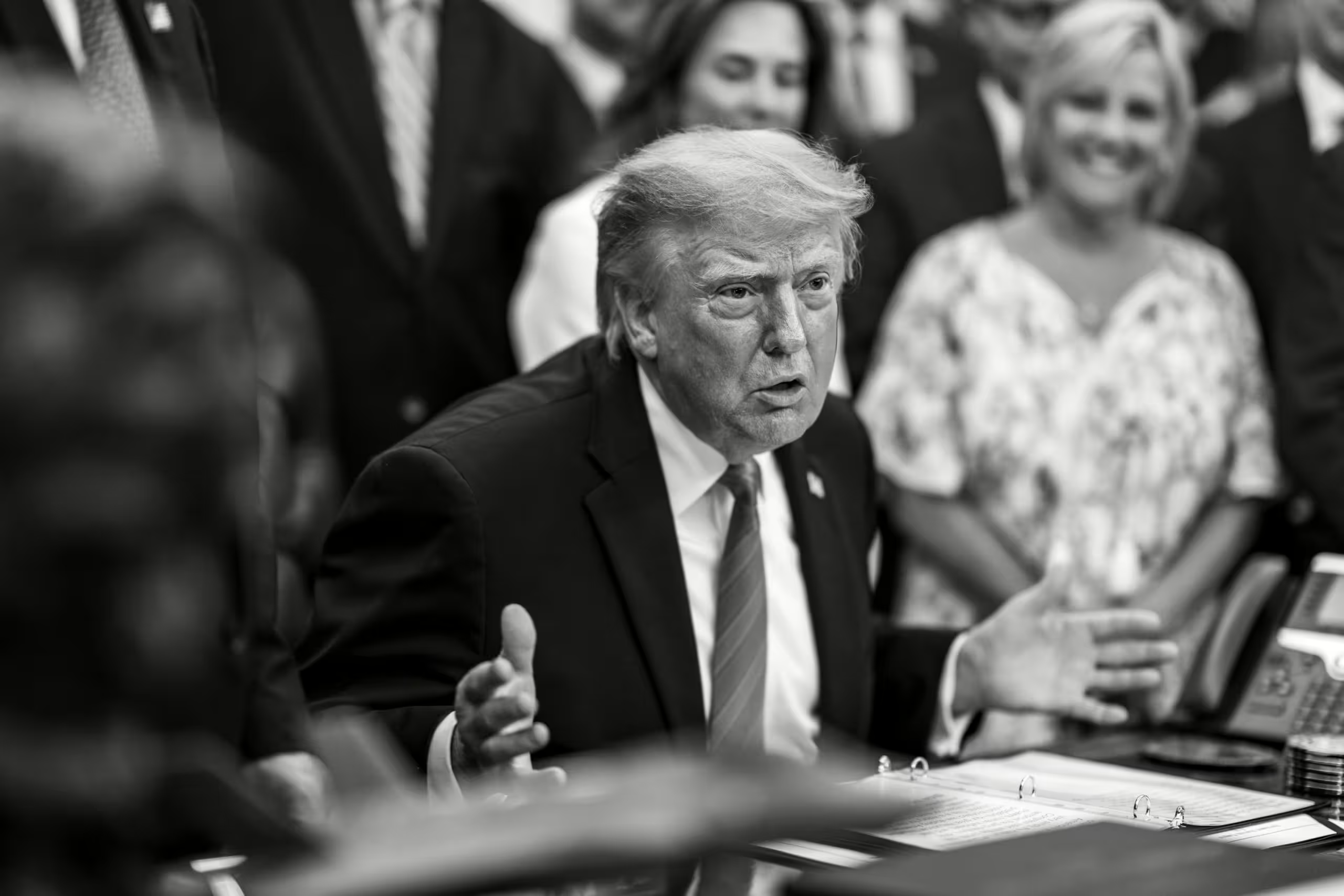
• Trump argued that the positive reception reflected growing confidence in his policies, particularly after the Iran agreement and the decline in oil prices.
• G7 leaders issued a statement backing the U.S.-Iran agreement, describing it as an opportunity to prevent Iran from acquiring a nuclear weapon and reduce regional tensions.
• French President Emmanuel Macron played a central role in maintaining a cooperative atmosphere and preventing any public dispute with Washington.
• Despite the show of unity, Trump stressed that the memorandum of understanding with Iran is not a final deal and warned that military action could resume if Tehran fails to meet U.S. expectations.
• Key parts of the agreement remain under negotiation, and European allies are watching closely to see whether it develops into a lasting settlement or remains a temporary truce.
• Analysts said the summit’s biggest achievement was not the launch of major new initiatives, but the avoidance of another crisis between the United States and its Western partners.
What to watch
The real test begins after the summit. If the U.S.-Iran agreement holds, secures the full reopening of the Strait of Hormuz, and lowers regional tensions, Trump will be able to claim a significant diplomatic victory.
If the understanding falters or military threats return, the image of unity that G7 leaders worked hard to project this week could quickly fade.