
The latest
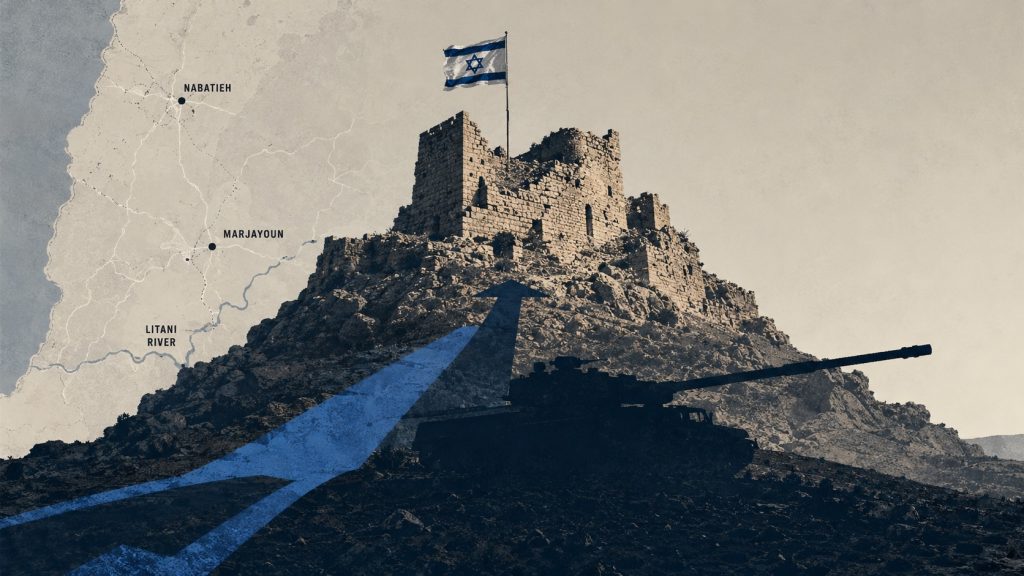
Israel’s war in southern Lebanon has moved into more sensitive ground after the military said it took control of Beaufort Castle, Ras al-Shaqif and parts of Wadi al-Saluki.
The operation involved Israel’s 36th Division and the Golani Brigade, according to Israeli reports. Reuters said the push targeted Hezbollah infrastructure around the Beaufort ridge and Wadi al-Saluki area.
Details
• The military value: Beaufort Castle gives Israel a high observation point over parts of southern Lebanon and northern Israel, including terrain around Nabatieh, Marjayoun and the Litani River. UNESCO describes the site as commanding a landscape stretching across Lebanon, Syria and Palestine.
• The Israeli framing: Israeli outlets cast the move as a return to a site deeply embedded in Israel’s military memory. Ynet said Israeli soldiers left Beaufort 26 years ago in an explosion that symbolized the end of Israel’s presence in Lebanon.
• The Lebanese reading: Lebanese concerns center on Israel’s push beyond the border zone and toward the Nabatieh area. AP reported that the operation was part of Israel’s deepest incursion into Lebanon since the 2000 withdrawal.
• The heritage risk: Beaufort Castle is on Lebanon’s UNESCO tentative list, and UNESCO documents say it suffered serious damage during Israel’s previous occupation of southern Lebanon. Lebanon’s prime minister, Nawaf Salam, said Israel’s attacks go beyond military action and amount to an attempt to erase history.
What to watch
The key test is what Israel does next: hold the castle as a fixed military position, use it as a temporary pressure point, or withdraw after reshaping the battlefield around Nabatieh.
Hezbollah’s response — and Israel’s ability to stay on the ridge without getting dragged into a grinding fight — will determine whether Beaufort becomes a strategic gain or a costly trap.