News
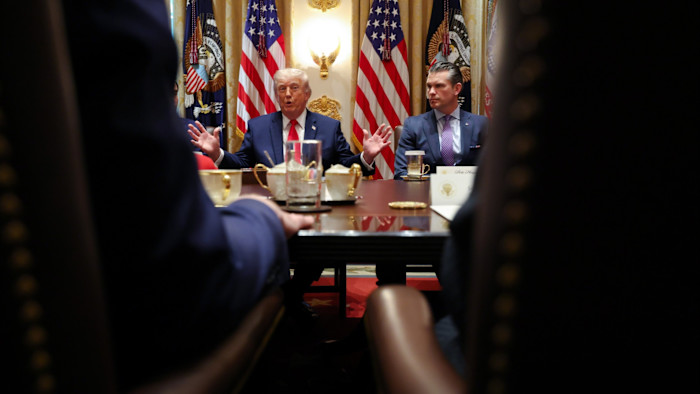
An Axios report says the United States and Iran have reached a draft 60-day memorandum of understanding aimed at extending the ceasefire and launching negotiations over Iran’s nuclear program, but the agreement has not yet received final approval from U.S. President Donald Trump.
Details:
• Axios cited U.S. officials as saying most of the deal’s terms had been completed by Tuesday, and that the Iranian side later told mediators it had the necessary approvals and was ready to sign, though Tehran has not officially confirmed that so far.
• According to the report, the draft includes:
- Opening navigation through the Strait of Hormuz without restrictions.
- Preventing tolls or harassment.
- Removing mines within 30 days.
- Gradually lifting the U.S. naval blockade in parallel with the restoration of commercial shipping.
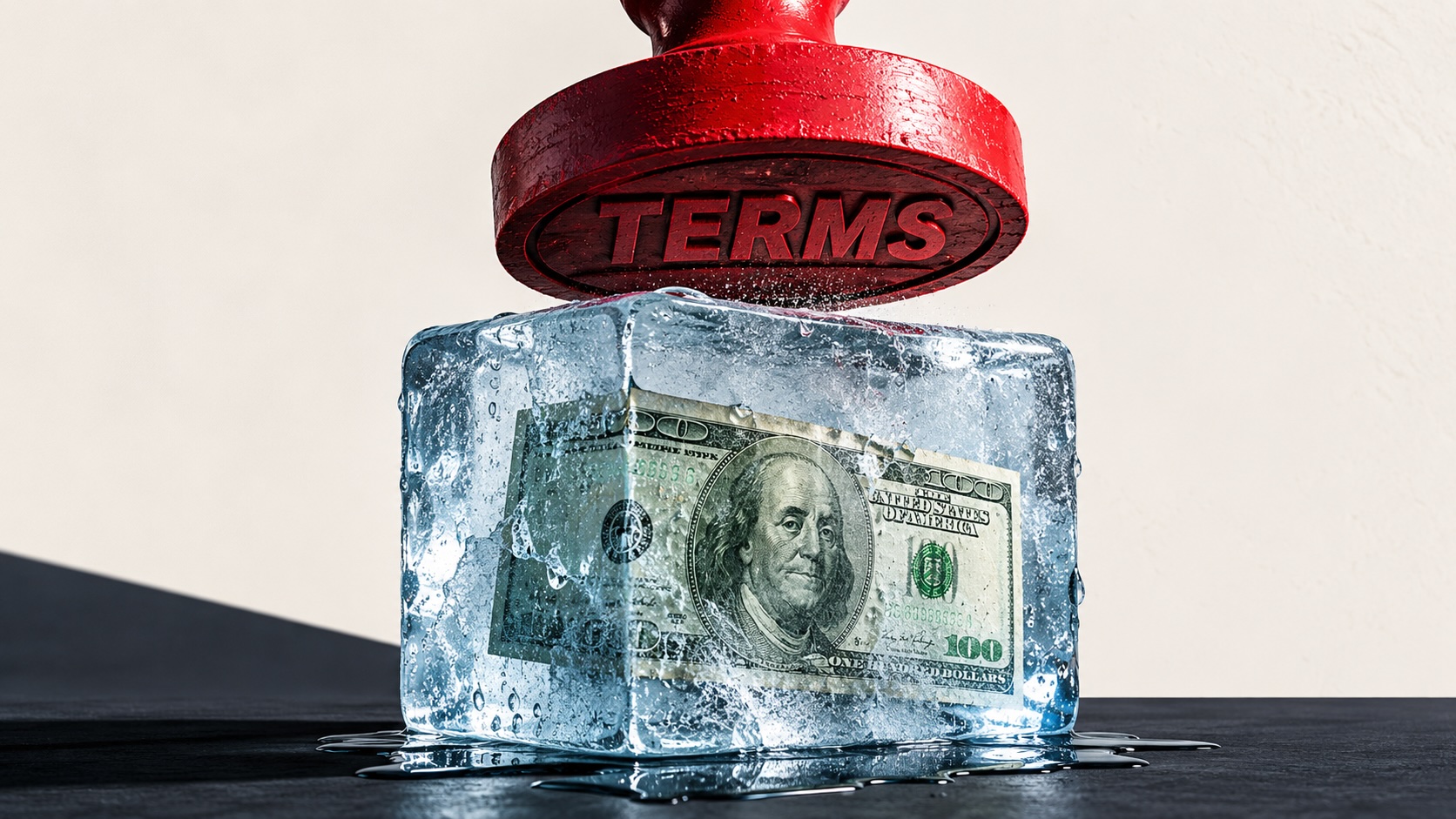
• The memorandum includes an Iranian commitment not to pursue a nuclear weapon. The first 60 days of talks would begin with the issues of highly enriched uranium and the future of enrichment inside Iran, in exchange for a U.S. commitment to discuss sanctions relief, the release of frozen Iranian funds, and a mechanism for allowing goods and humanitarian aid into the country.
• The U.S. Treasury announced sanctions on what Tehran calls the “Persian Gulf Strait Authority,” describing it as an attempt by the Islamic Revolutionary Guard Corps to collect money from maritime traffic through Hormuz as part of the economic pressure campaign known as Economic Fury.
• Treasury Secretary Scott Bessent said Iran’s attempt to impose fees on maritime trade shows its need for cash.
• The Treasury warned companies and government entities against paying fees to the Iranian authority or disguising them as aid payments.
• Fox News and other U.S. coverage focused on the recent U.S. strikes being described as defensive, and not necessarily meaning the collapse of the ceasefire, but raising the cost of any delay in reaching an agreement.
• Politically, Trump said Washington would not accept Iran or Oman controlling the strait, describing Hormuz as an international passageway, while CNN reported controversial remarks in which he threatened Oman if it cooperated with Iran on arrangements to control the strait.
What’s next?
The test is now with Trump: either he gives the green light to a memorandum that reopens the Strait of Hormuz and launches difficult nuclear negotiations, or he uses military escalation and sanctions to extract additional concessions.
So far, there is no final signature and no official Iranian confirmation, which means the agreement remains possible, not settled.