News
The New York Times reported that the latest U.S. strikes in southern Iran came after U.S. intelligence detected a series of Iranian military movements that were considered a potential threat to American forces and vessels around the Strait of Hormuz.
Details:
• The newspaper cited U.S. officials as saying the Iranian movements were detected in the 24 hours before the strikes.
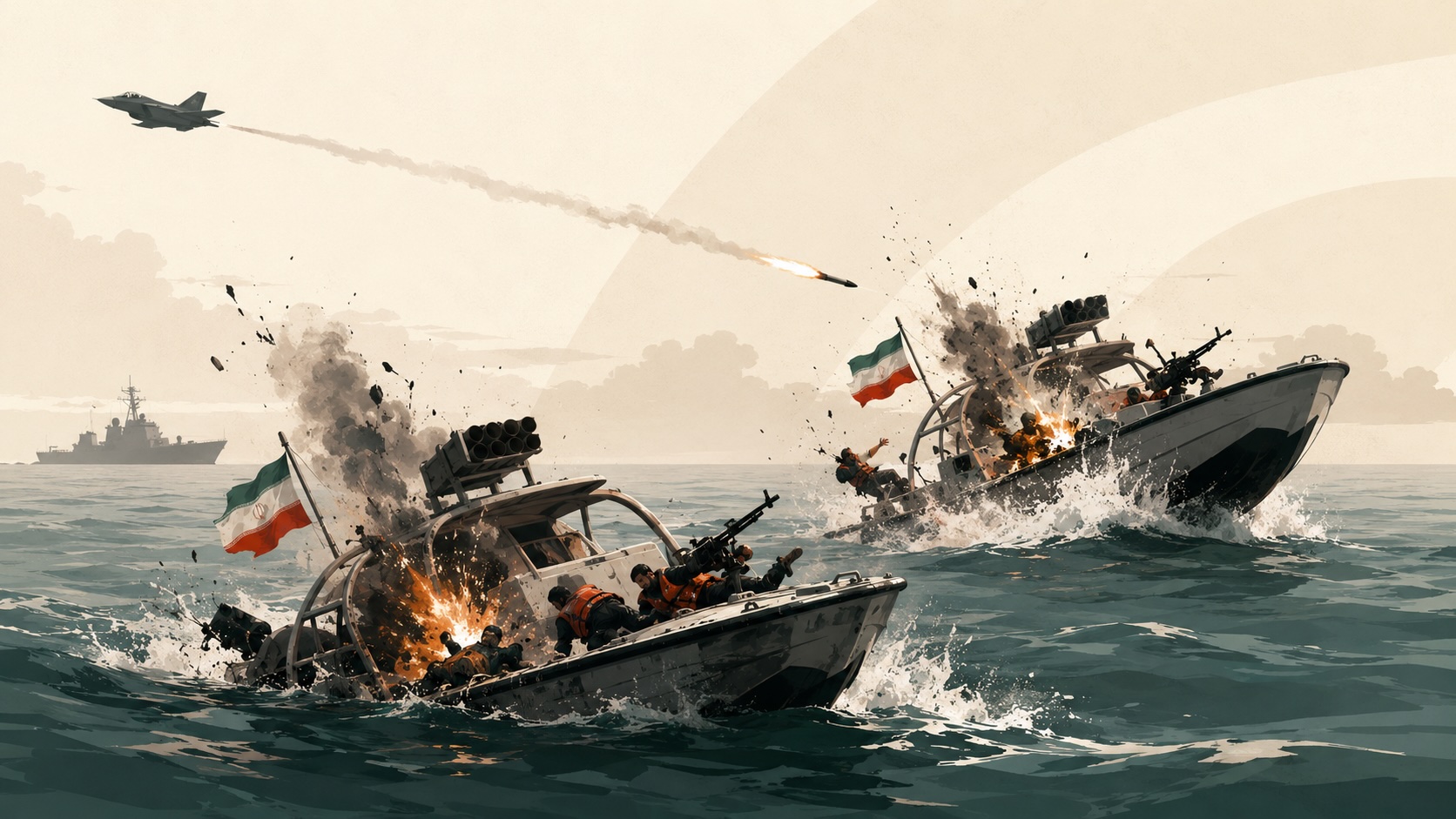
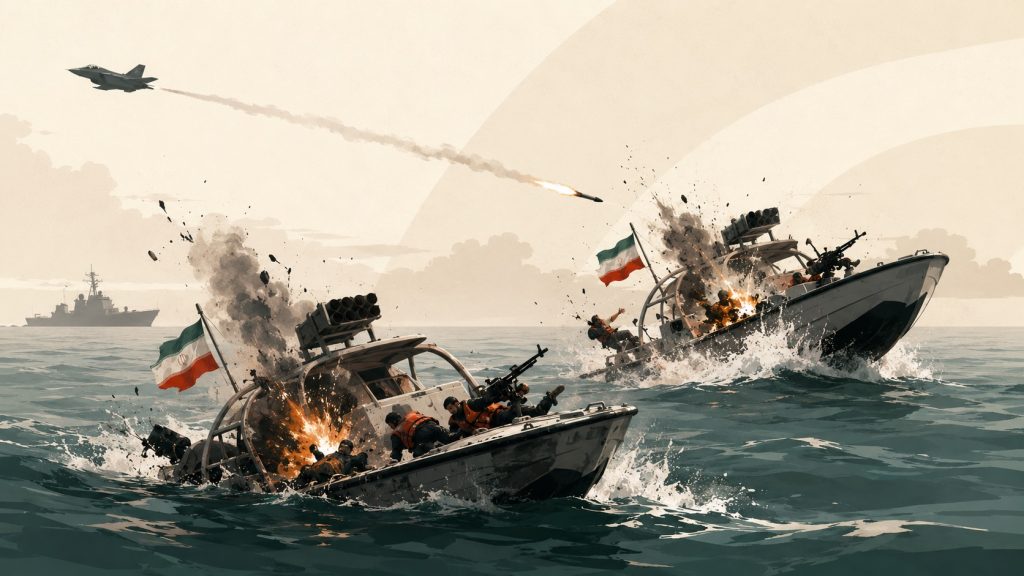
• U.S. aircraft sank two IRGC speedboats that Washington said were attempting to lay mines in the Strait of Hormuz.
• The United States detected Iranian one-way attack drones launched near some U.S. warships deployed in the area.
• The movements also included activity at Iranian surface-to-air missile sites near the Strait of Hormuz, which Washington viewed as a threat to U.S. aircraft operating as part of the naval blockade mission.
• U.S. Central Command said the strikes were carried out in “self-defense” to protect American forces from threats posed by Iranian forces.
What’s Next?
These developments increase the risk that the relative calm around the Strait of Hormuz could collapse, especially after the IRGC warned of a “decisive and reciprocal” response to any strikes it considers a violation of the cease-fire.