News
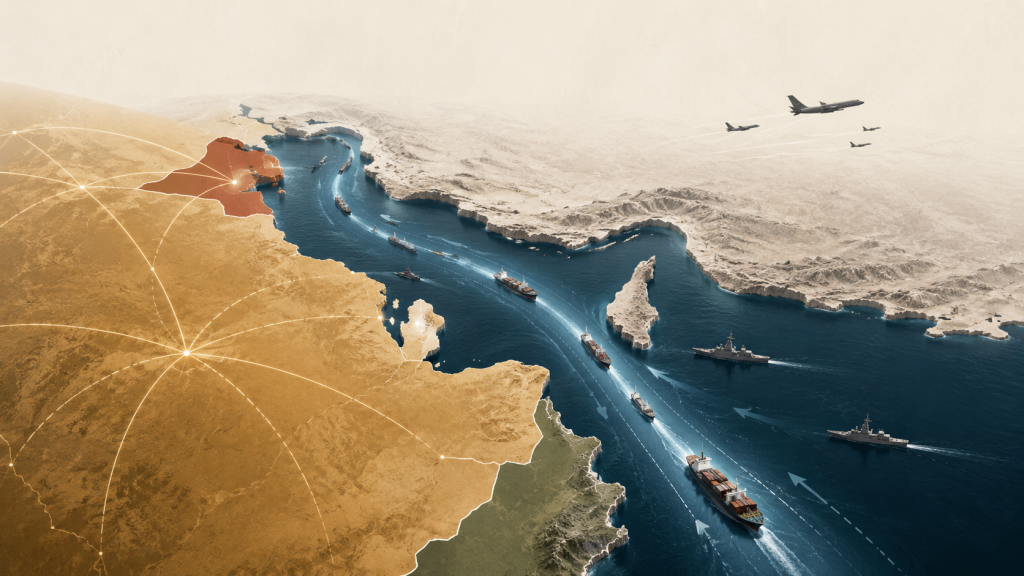
Saudi Arabia and Kuwait lifted restrictions that had been imposed on the U.S. military’s use of their bases and airspace, removing an obstacle for the Trump administration to resume Project Freedom, which aims to escort commercial ships through the Strait of Hormuz with U.S. naval and air support.
Details
• U.S. and Saudi sources said the Trump administration is considering restarting the operation this week, after it was paused 36 hours after launch.
• The project relies on a large fleet of aircraft to protect commercial ships from Iranian missiles and drones, making Saudi and Kuwaiti bases and airspace essential to its execution.
• The operation triggered the biggest dispute in Saudi-U.S. military relations in recent years, including high-level calls between Trump and Saudi Crown Prince Mohammed bin Salman.
• Saudi Arabia and Kuwait imposed the restrictions after U.S. officials downplayed Iranian attacks in the Gulf, amid Gulf concerns that Washington would not provide sufficient protection as the confrontation escalated.
• Trump suspended Project Freedom on Tuesday evening after a call with the Saudi crown prince, who conveyed his concerns and the decision to restrict the use of bases and airspace, according to Saudi officials.
• The sources said U.S. access to Saudi bases and airspace was restored after another call between Trump and the crown prince.
• Washington denied that any ban or restrictions existed, and the White House said the United States had notified its Gulf allies before launching the operation.
• In any resumption of the project, commercial ships coordinating with Washington would be directed through a narrow corridor cleared of mines, under the protection of U.S. warships and aircraft.
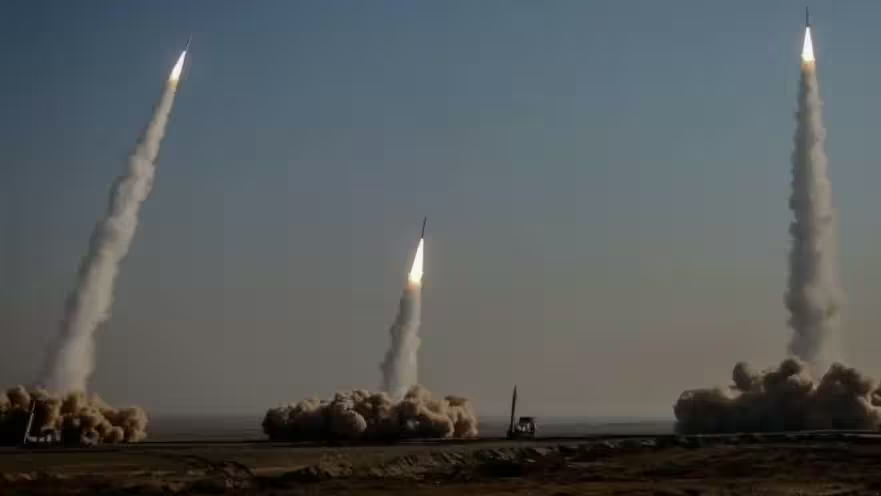
• The operation had succeeded in extracting two U.S.-flagged ships from the Gulf, but it triggered a skirmish in which Iran launched cruise missiles and drones at U.S. warships and commercial vessels.
• The sources said the United States intercepted the attacks and sank around half a dozen Iranian fast-attack boats, while Iran managed to hit several non-U.S. ships.
• Iran targeted the UAE with 15 missiles and several drones, hitting the oil export hub in Fujairah, in the first attacks of this kind since the U.S.-Iran ceasefire took effect last month.
• Gulf states fear Iran may conclude that it can strike them without serious consequences.
• Iran denied carrying out operations against the UAE, but warned of a crushing response if any action against it were launched from Emirati territory.
What’s Next?
The resumption of Project Freedom could put the U.S.-Iran ceasefire to the test again, especially if commercial ships return to passing through the Strait of Hormuz under direct U.S. military protection.