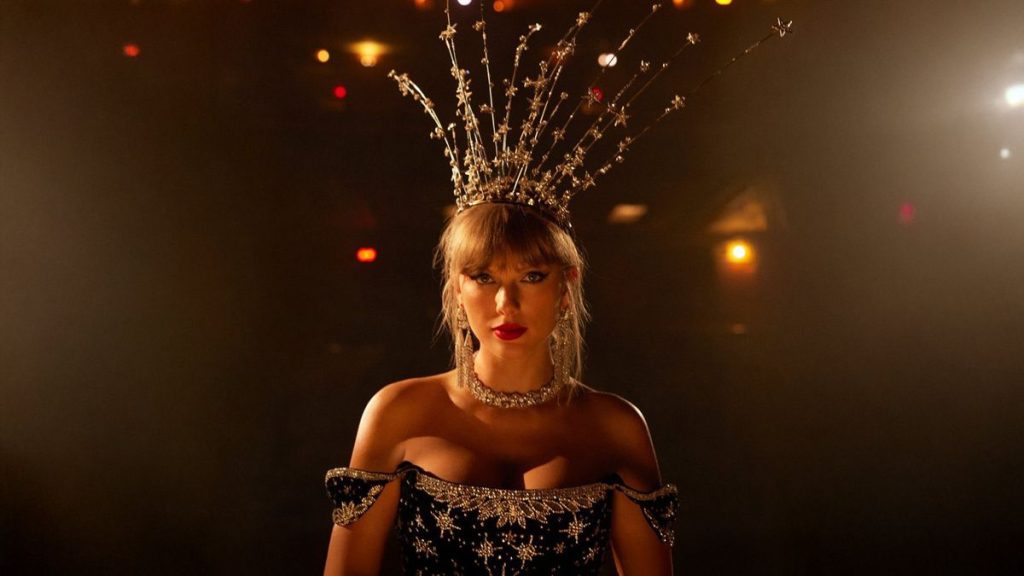
Taylor Swift has expanded her legal battle by filing to trademark her voice, in a direct move to protect her vocal identity from unauthorized use, especially as AI technologies rapidly advance in replicating voices with high precision.
Details
- The filing covers use of her voice in advertising, digital platforms, and commercial content.
- The move follows a surge in AI-generated clips mimicking artists’ voices.
- Reports from Yahoo Entertainment, BBC, The New York Times, and The Guardian highlight the growing scale of this trend.
- Music companies have already begun revising contracts to include voice rights, not just songs.
- Legally, trademarking a voice grants broader control over its commercial use.
- Experts see this as a potential new standard for artists worldwide.
- On social media, reactions are split:
- Supporters see it as necessary protection of artistic identity.
- Critics argue it could restrict innovation and creative experimentation.
- Some users describe it as the beginning of a new era of voice ownership.
- Others warn enforcement will be difficult globally with open-access tools.
What’s next?
A wave of similar filings from major artists is likely, alongside increasing pressure on tech companies to set clear rules for voice use.
(Analysis)
This goes beyond Swift. The voice is becoming a standalone digital asset that can be copied and monetized. This move may redefine the boundaries of artistic ownership: who owns the voice, and who gets to use it. The answer is already shifting.