The latest
As Washington prepared for military confrontation with Iran, a debate emerged not only over the strikes themselves but also over how the decisions were made.
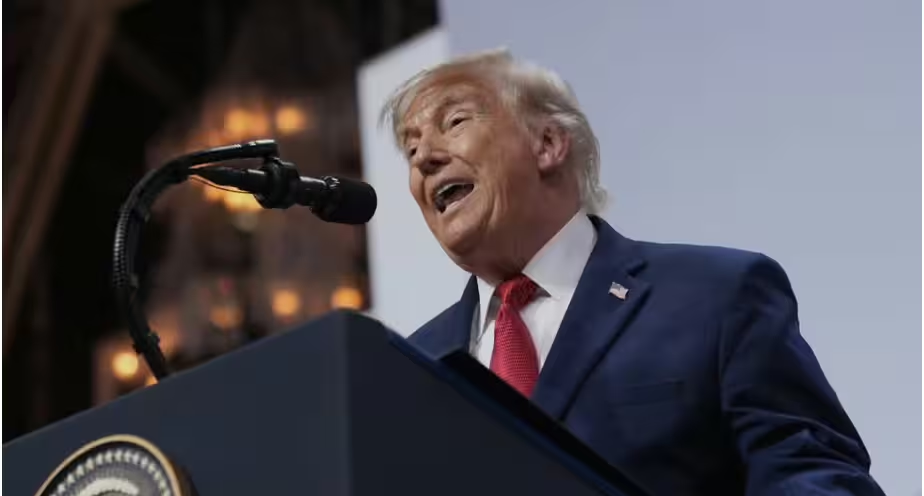
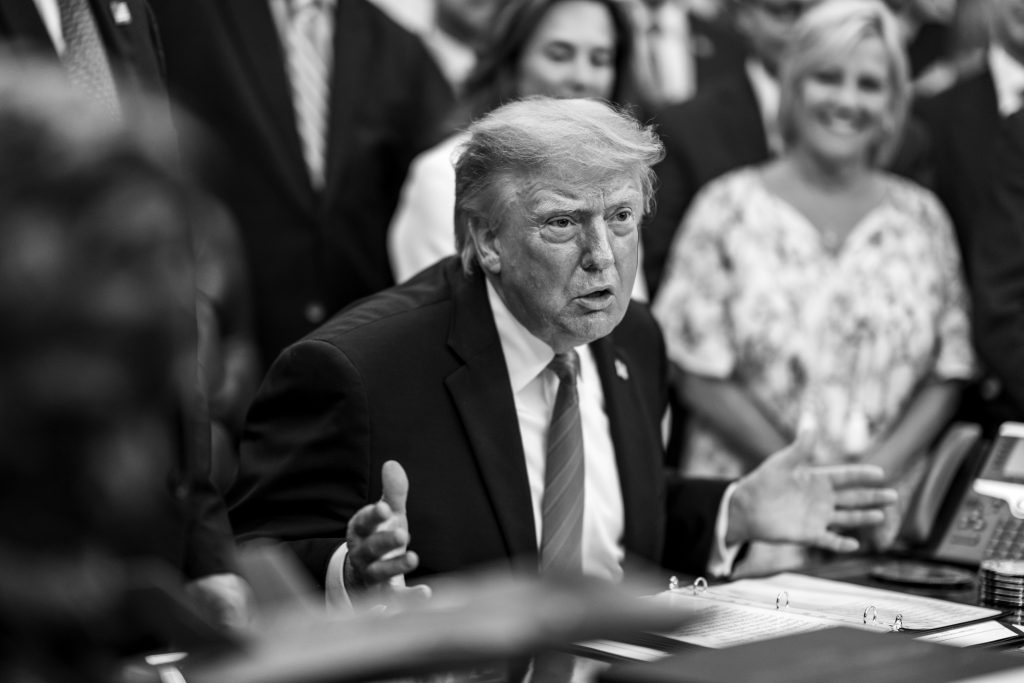
According to a CNN investigation, President Donald Trump sharply reduced the size of the National Security Council after returning to the White House. Instead of relying on a broad network of experts, he leaned heavily on a small group of trusted advisers, including Secretary of State and National Security Adviser Marco Rubio and special envoy Steve Witkoff.
Former officials told CNN that this approach centralized decision-making and reduced the role of interagency discussions involving the Pentagon, State Department, Treasury Department, and intelligence agencies. They argued that it contributed to the administration overlooking key scenarios, including the possibility that Iran could move to close the Strait of Hormuz.
Sources familiar with the matter said senior officials later acknowledged to members of Congress that the administration had not fully incorporated that possibility into its core planning, despite decades of U.S. military preparations for such a scenario.
According to the report, some officials believed that closing the strait would hurt Iran more than the United States, leading them to underestimate the likelihood that Tehran would take such a step. The war, however, turned the waterway into one of the most significant pressure points facing Washington and global energy markets.
Former officials also argued that a larger and more diverse National Security Council could have provided deeper discussion of the war’s economic consequences, coordination with Gulf allies, and contingency planning for disruptions to global oil supplies.
The White House strongly rejected that assessment. Spokeswoman Anna Kelly said the administration followed a “careful planning process,” adding that all relevant agencies participated in developing military and diplomatic options and that Trump received a range of views before making decisions.
Historians and former officials note that Trump is not the first president to become frustrated with the national security bureaucracy and rely on a smaller group of advisers. They argue, however, that major conflicts often expose the risks of sidelining institutions that were created specifically to provide broad analysis and challenge assumptions before critical decisions are made.
Details
• CNN reported that the National Security Council’s staff was significantly reduced during Trump’s second term.
• Former officials said the cuts limited the exchange of views across key U.S. agencies.
• Sources familiar with internal discussions said the administration underestimated the possibility of Iran closing the Strait of Hormuz before the war.
• The White House denied that there were shortcomings in planning or coordination.
What to watch
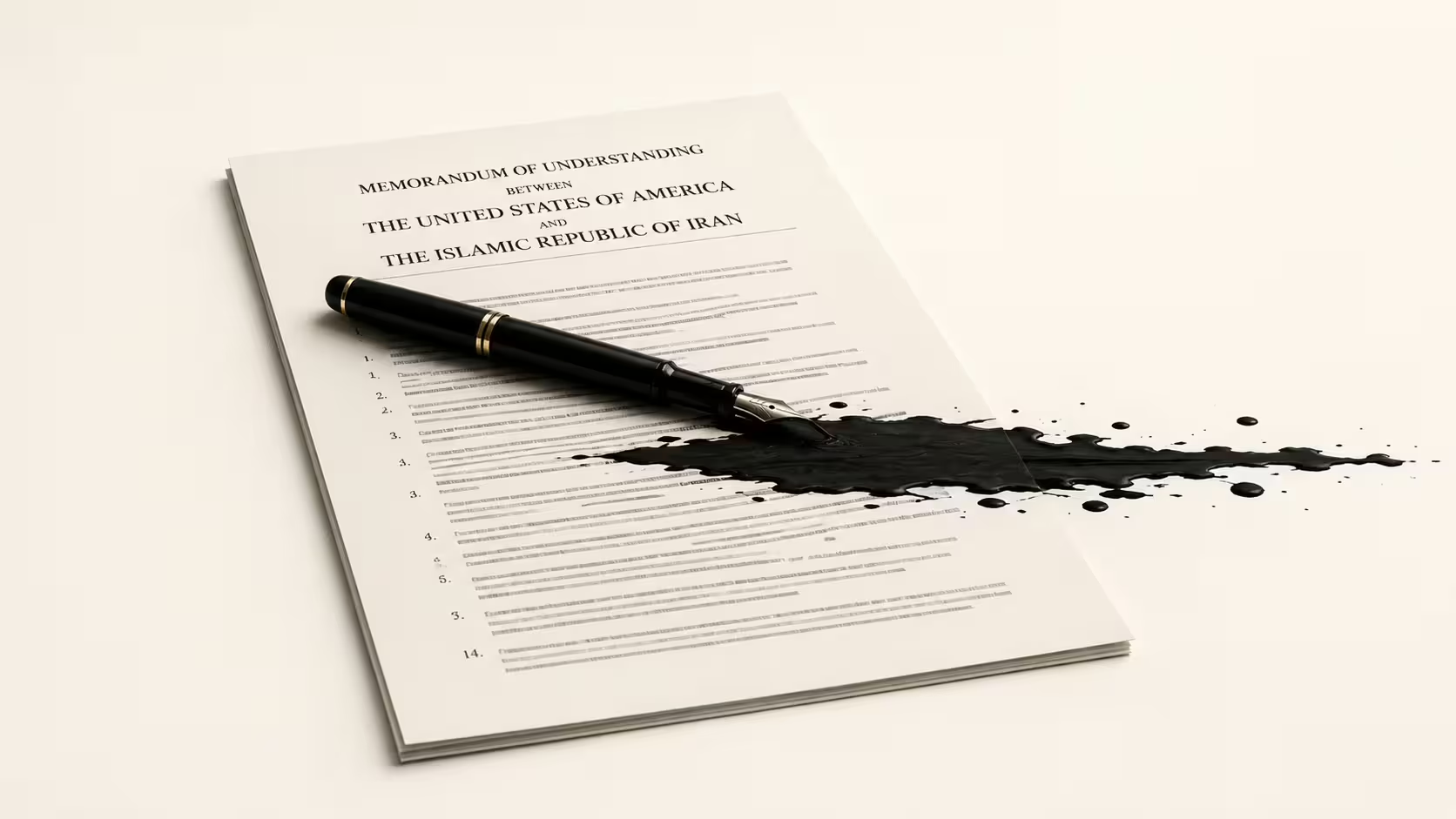
As Washington and Tehran move closer to formally signing their memorandum of understanding, scrutiny is growing over how the war was managed and whether decisions made within Trump’s inner circle contributed to strategic and economic miscalculations. Those questions could intensify if Congress launches broader reviews of the administration’s handling of the conflict.