The latest
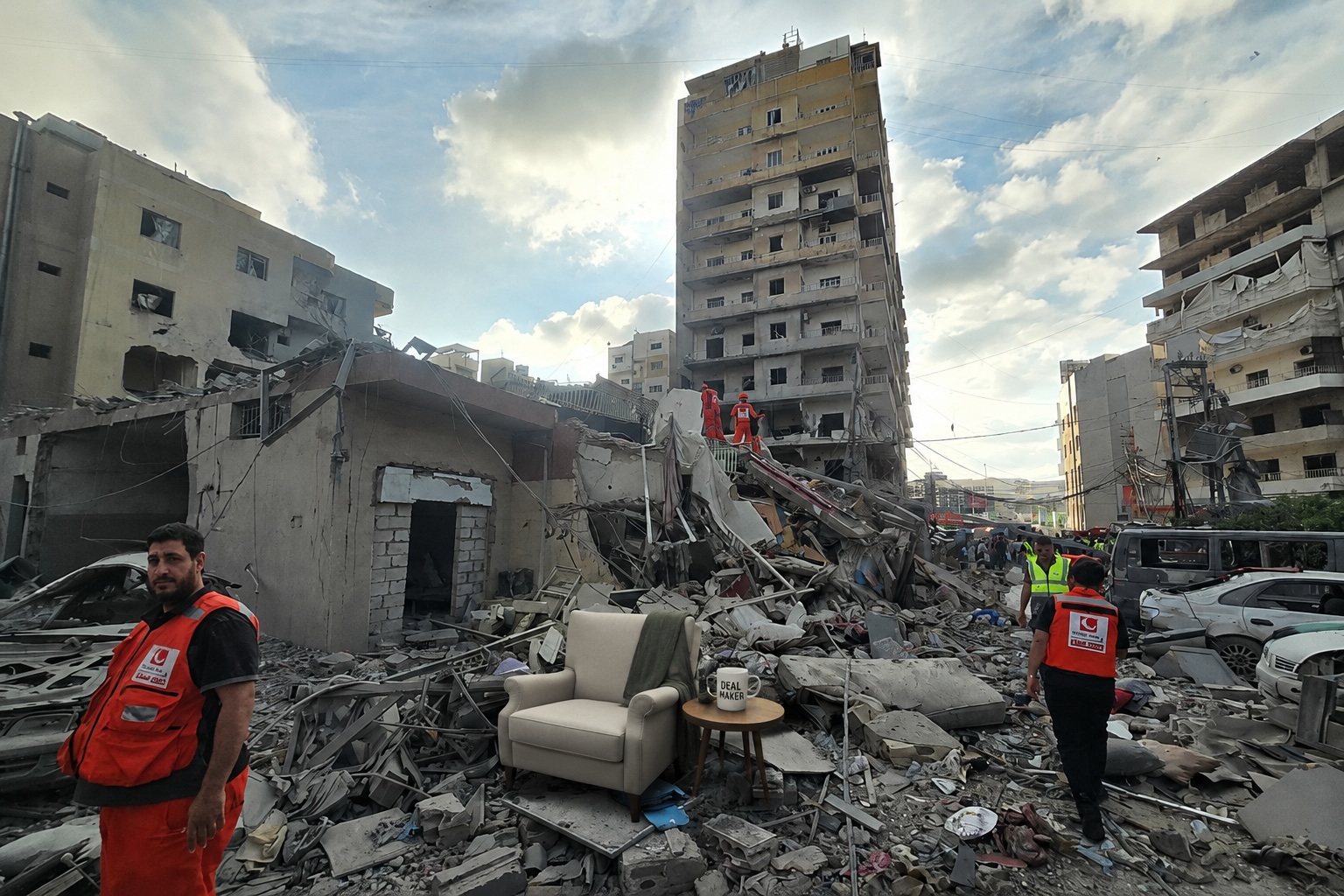
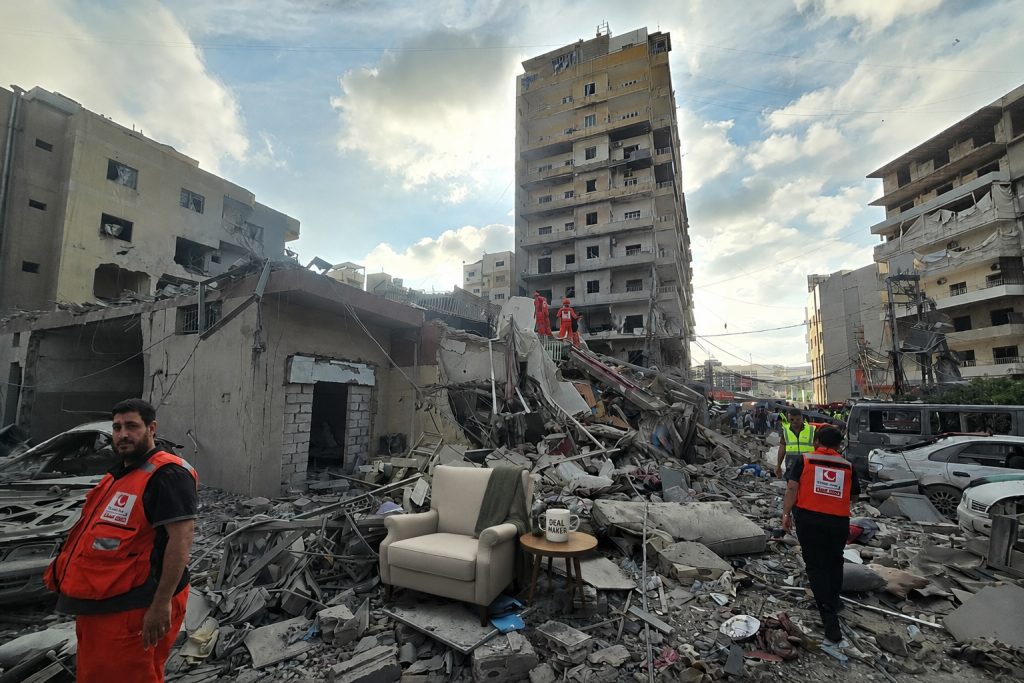
Trump stepped in to slow Israel’s escalation in Lebanon after Netanyahu moved toward expanding strikes into Beirut.
According to Axios, Trump pulled the brakes on an Israeli plan to hit Hezbollah targets in Beirut’s southern suburbs after Iran threatened to abandon its talks with the U.S. over Israel’s operations in Lebanon.
An Israeli official told Axios the planned Beirut strikes “will not happen.”
But behind the public sequence, a Lebanese source says Parliament Speaker Nabih Berri had already received Hezbollah’s approval for a mutual halt in attacks — a deal he would broker — and then informed Iran that the process was moving in that direction.
Soon after, the Lebanese Embassy in Washington announced that Hezbollah had accepted the U.S. proposal. The source said the announcement was not a routine diplomatic move. It was meant to lock the process into a Lebanese channel and prevent Iran from exploiting the gap to reinsert itself through escalation.
Details
• Netanyahu and Defense Minister Israel Katz issued a joint threat to strike Hezbollah targets in Beirut’s southern suburbs, citing repeated ceasefire violations by the Iran-backed group.
• Iranian Foreign Minister Abbas Araghchi responded on X, saying Israel’s actions in Lebanon violated the U.S.-Iran ceasefire and that Washington and Tel Aviv would bear the consequences of any breach.
• Iranian officials told Tasnim that no talks with the U.S. would take place until Israel stopped its attacks in Lebanon. They also threatened retaliation in the Strait of Hormuz and possibly on other fronts.
• Hours later, Trump spoke with Netanyahu and then posted on Truth Social that Israel and Hezbollah would stop attacking each other.
• The Lebanese Embassy in Washington later said Hezbollah had accepted a U.S. proposal for a “mutual cessation of attacks,” and that Trump told the Lebanese ambassador he had secured Netanyahu’s agreement.
• The proposal, put forward by Secretary of State Marco Rubio, follows a clear tradeoff: Israel suspends its planned Beirut strikes, and Hezbollah stops its attacks on Israel.
• Israel and Hezbollah have not formally confirmed acceptance of the arrangement in its final form.
Behind the scenes
This was not only a deal between Israel and Hezbollah. It was also a fight over who gets to own the deal.
The Lebanese source says Tehran read Berri’s message about Hezbollah’s approval as a sign that the Lebanon file was beginning to slip out of its hands. Iran then raised the threat level, warning it could suspend talks with Washington and hinting at direct retaliation against Israel.
In this reading, Iran was not simply trying to block the deal. It was trying to force its way back into it.
For Tehran, the risk was not only an Israeli strike on Beirut’s southern suburbs. The bigger risk was that a ceasefire could pass through the Lebanese state, Berri and Washington — not through Iran.
The sensitive point
The same Lebanese source says parts of the Shiite street had already begun asking a harder question after Israel’s deeper push into southern Lebanon: Where was Iran when the pressure was on Tyre, Nabatieh and the villages of the south?
Why did Tehran’s warnings become sharper only when the threat moved closer to Beirut’s southern suburbs?
That question helps explain Iran’s awkward timing. Tehran does not want to look absent from the defense of Lebanon’s Shiite base. But it also does not want to sacrifice its negotiation track with Washington.
So Iran’s intervention came late and loud — as much to protect its image as to protect Beirut’s southern suburbs.
The strange part
Trump wrote after the call that there would be no “troops” going to Beirut and that any troops already on the way had been turned back.
But Israel was not planning a ground move into Beirut. The plan, according to Axios, was for major airstrikes that could have hit buildings in the southern suburbs where some Hezbollah headquarters are located.
Trump also claimed he had a “very good call” with “highly placed representatives” of Hezbollah, who agreed that all shooting would stop. It remains unclear which representatives he meant.
What to watch
Israeli and Lebanese diplomats are expected to hold talks in Washington as planned.
The real test is on the ground: whether Hezbollah stops its attacks, whether Israel holds off on Beirut, and whether Iran accepts a deal in which it is not the dominant broker.
If the arrangement holds, Trump will have stopped an escalation that could have blown up his Iran track. If it collapses, Beirut and Hormuz will be back inside the same equation.
Sources: