News
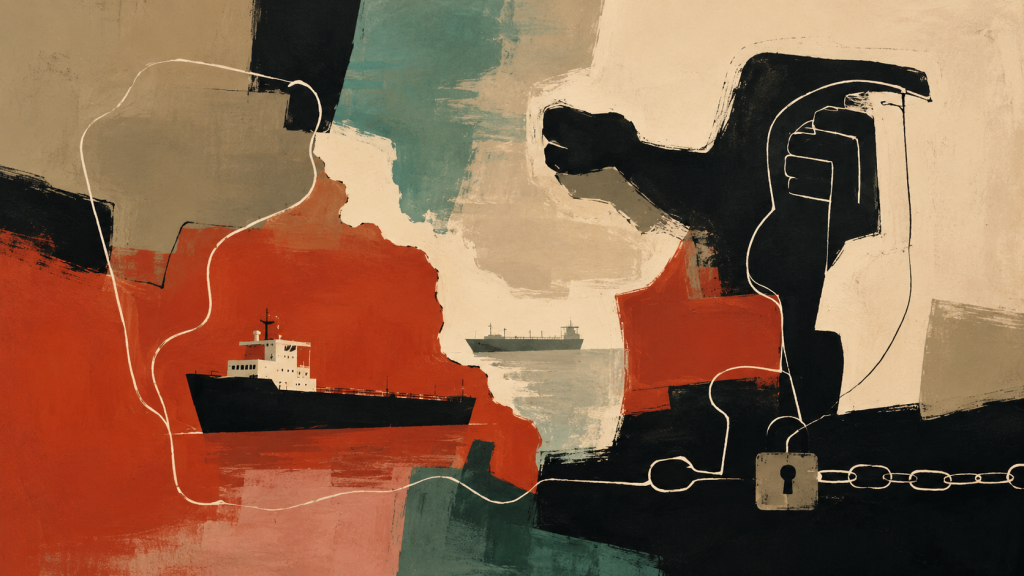
The European Union has formally expanded its sanctions framework on Iran, allowing it to target individuals and entities accused of threatening freedom of navigation in the Middle East, including the Strait of Hormuz.
The Council of the European Union said the decision now allows the bloc to impose restrictive measures, including travel bans and asset freezes, on parties linked to obstructing freedom of navigation in the vital waterway.
Details
• The decision turns a previous political agreement within the EU Foreign Affairs Council into a formal enforceable measure.
• The European move comes in parallel with a warning issued by the U.S. Treasury Department in early May over sanctions risks linked to alleged Iranian demands for transit fees from vessels seeking safe passage.
• Tehran has rejected Western pressure and warned European countries against sending warships to the Strait of Hormuz, while linking its nuclear proposals to sanctions relief.
What next?
The decision opens the door for specific names to be added to EU sanctions lists if Brussels links them to threats against navigation or obstruction of vessel traffic. In practice, EU sanctions are no longer limited to the nuclear file or traditional security issues; they have now expanded into a new tool targeting Iran’s maritime pressure in the Strait of Hormuz.