The Strait of Hormuz crisis has turned into a growing humanitarian emergency for tens of thousands of sailors stranded aboard cargo ships and tankers for weeks, as basic supplies run low and the risk of attacks rises in a maritime zone that now resembles an active war zone.
Details
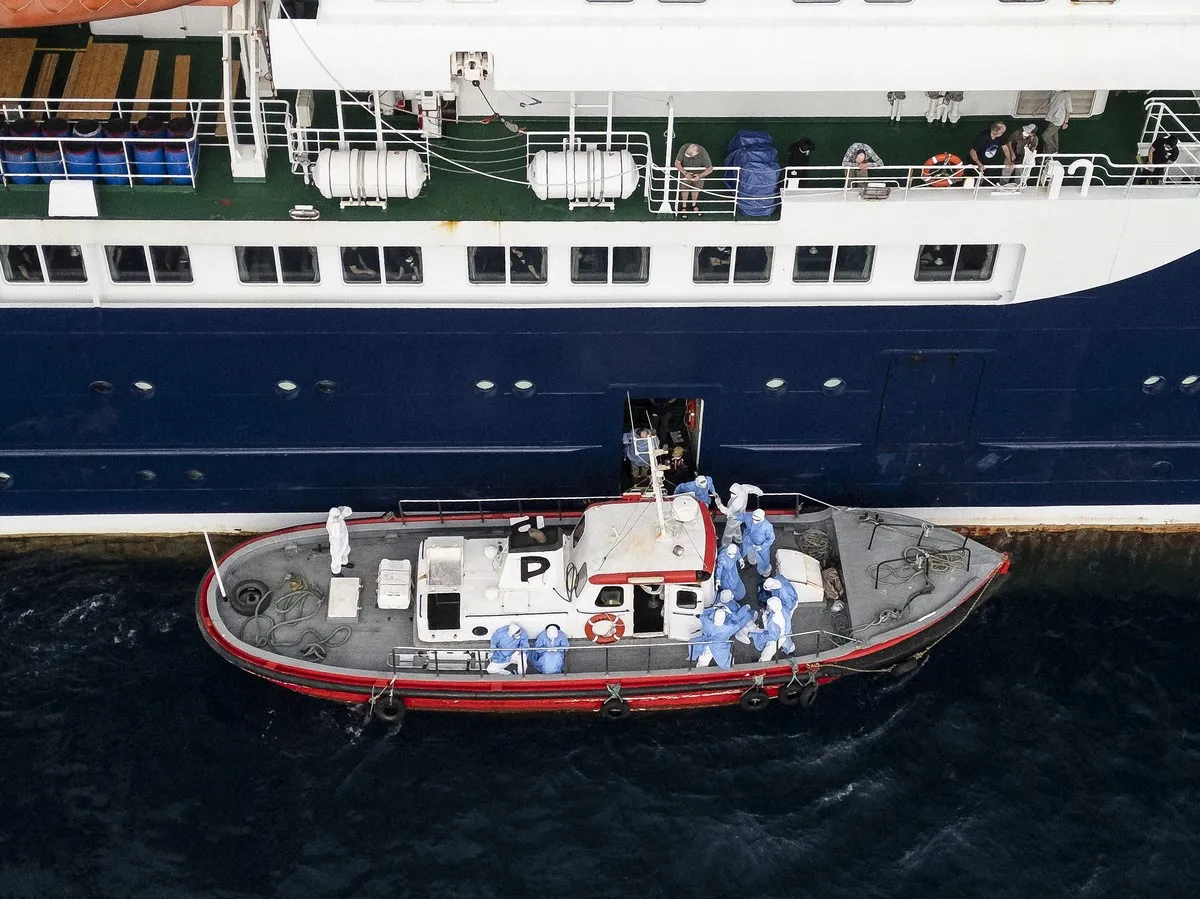
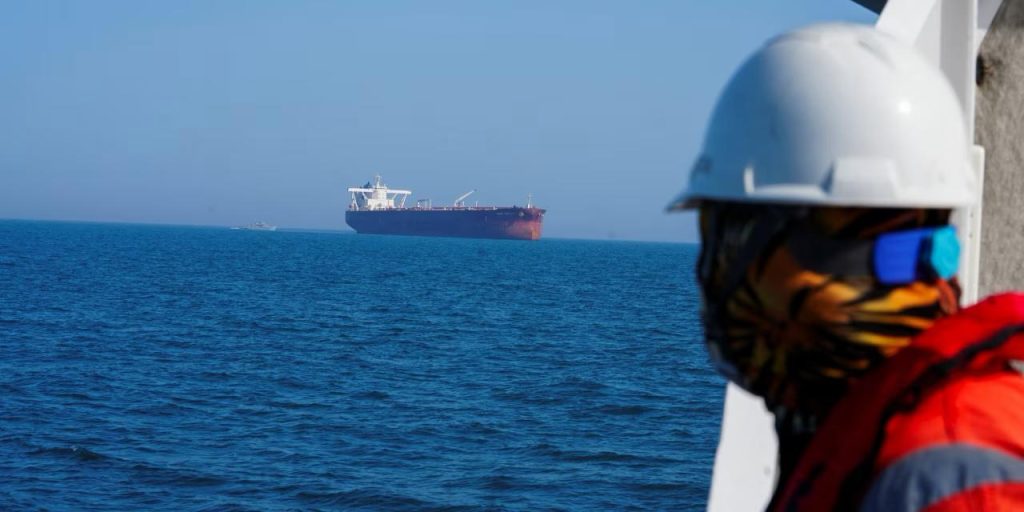
* The Wall Street Journal reported that around 20,000 seafarers remain stranded in the Gulf and around the Strait of Hormuz, while more than 800 vessels are waiting for a chance to leave the area.
* Sailors are facing worsening shortages of food, water, fuel, and medicine, while some vessels have been forced to ration food or dump rotting garbage into the sea after weeks of waiting.
* The newspaper highlighted the case of a Bangladeshi navigation officer aboard a Chinese-owned tanker, who said his ship was entering its final days of food supplies as the Iranian navy refused to allow departure, describing the area as dangerous and a red zone.
* Sailors told the newspaper they see Iranian drones overhead and hear distress calls over emergency channels from vessels that have run out of food or water.
* Some sailors documented explosions, smoke, and fires on nearby vessels, while others described burns, injuries, and open wounds caused by missile or drone attacks.
* The International Maritime Organization said at least 10 sailors have died since the start of the war, and more than 30 ships have been hit by Iranian drones and missiles.
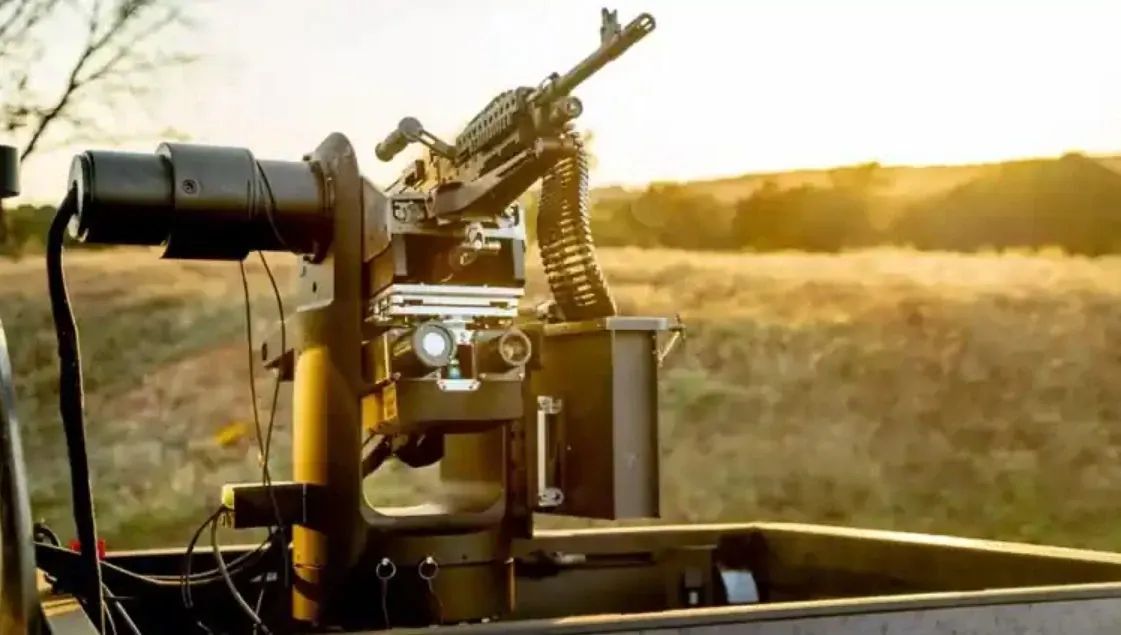
* The U.S. Project Freedom effort to help stranded vessels leave was paused after just 36 hours, although the U.S. Navy said it had opened an effective pathway out and reduced the threat from sea mines using AI-powered drones.
* Several sailors refused to risk leaving despite U.S. reassurances, fearing IRGC fire, sea mines, or naval clashes in the strait.
* The Wall Street Journal said insurers and shipowners have shown little appetite to risk moving vessels, after insurance premiums in Hormuz surged to record levels, reaching as much as $8 million for a single large tanker.
* The International Transport Workers’ Federation has received more than 2,000 requests for help from seafarers, half of them involving unpaid wages, and around 200 from ships running low on food, fuel, or water.
* Some vessels are trying to improve their chances of passage by changing flags or broadcasting phrases such as all-Chinese crew on their transponders, while others have gone dark by switching off tracking systems and navigating with binoculars amid GPS jamming.
* Despite carrying cargo worth tens of millions of dollars, some sailors are surviving on limited meals of rice and water, or instant noodles and the few vegetables left onboard.
What’s next?
The sailors’ crisis shows that the battle over Hormuz is no longer only a military confrontation or a dispute over the world’s most important energy route. It is becoming a humanitarian crisis that worsens by the day.
The longer the strait remains closed and vessels remain trapped, the higher the risk of supply shortages, worsening medical cases, and shipowners abandoning crews in the middle of a war zone.