Washington and Tehran are moving through mediators toward a new negotiating framework that could begin in Pakistan, in an attempt to turn de-escalation into a 30-day political track aimed at ending the war and gradually reopening the Strait of Hormuz.
Details
• Reports said the United States and Iran are working on a one-page memorandum of understanding with 14 points, setting the initial framework for negotiations to end the war.
• Islamabad could host the talks next week if arrangements are completed between Washington, Tehran, and the mediators.
• The core of the proposed formula is a phased exchange: Iran would ease its grip on the Strait of Hormuz, while the United States would gradually roll back its blockade on Iranian ports during the negotiation period.
• The memorandum includes discussion of Iran’s nuclear program, after Tehran showed openness to discussing the file within a broader framework.
• The main sticking points remain unresolved, especially the duration of any enrichment suspension, the fate of highly enriched uranium, the scope of sanctions relief, and Iran’s role in the security of the strait.
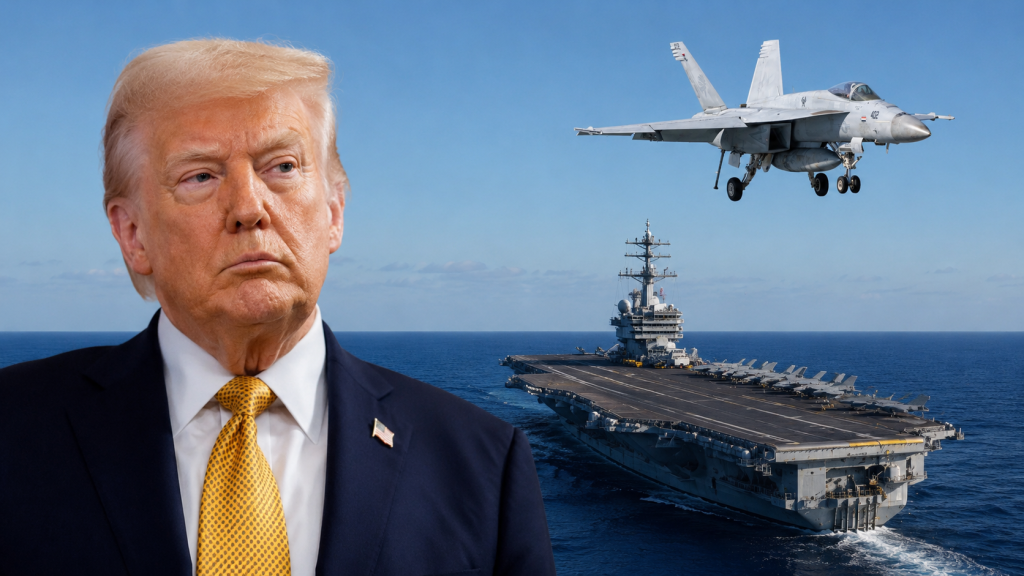
• Trump said he agreed to temporarily suspend Project Freedom to give negotiations a chance, but kept the threat of renewed bombing in place if Tehran does not agree to a deal.
• Pakistan says it is working to turn the de-escalation into a lasting arrangement, not just a fragile temporary truce.
What’s next?
The first test will be the announcement of the time and location of the talks. If Islamabad is confirmed as the negotiating platform, that means the track has moved from backchannel contacts to an actual political process.
But the deal’s success will still depend on two questions: whether Iran accepts clear nuclear concessions, and whether Washington accepts easing the blockade without looking like it backed down under pressure from Hormuz.