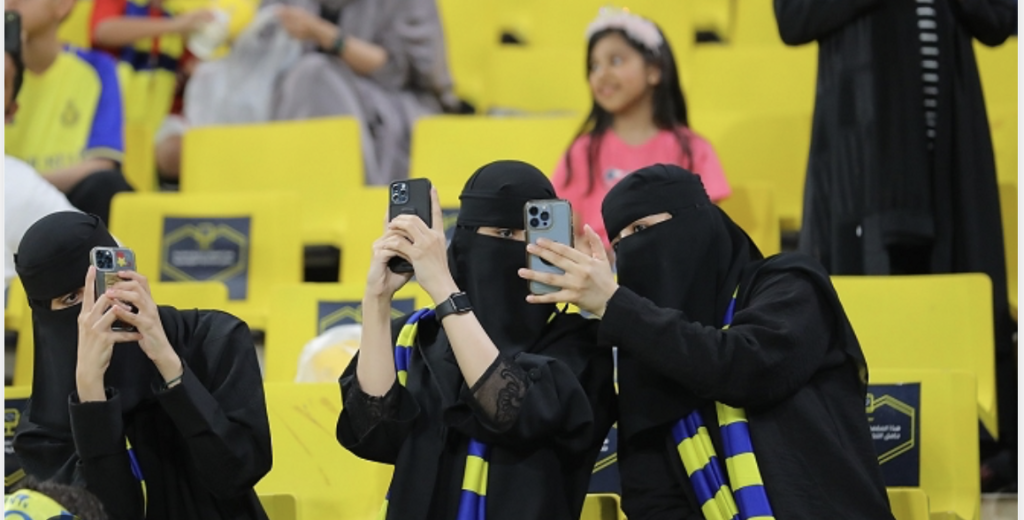
Saudi Arabia is entering a new phase in managing its major sports and entertainment projects, as financial pressure and falling oil revenues force a broader review of the spending model that accompanied Crown Prince Mohammed bin Salman’s rise and his project to reposition the kingdom on the global stage.
Details
• The New York Times said the Public Investment Fund announced it would stop funding LIV Golf by the end of the year, in a move that represents the latest sign of the end of Saudi Arabia’s open-ended spending era.
• Saudi Arabia launched the tournament in 2022 and attracted major golf names with huge contracts, but it turned into a high-cost project with major annual losses and a continuing need for outside funding.
• The newspaper linked the decision to changing priorities at the Public Investment Fund, which is now focusing more on domestic investment and improving spending efficiency, rather than funding costly global projects with no clear return.
• The shift is not limited to golf. The newspaper said major projects in sports, entertainment, futuristic cities and tourism have been scaled back, delayed or shelved after officials concluded they were not commercially viable under current conditions.
• This review comes as Saudi Arabia faces major commitments, including hosting Expo 2030 and the 2034 World Cup, along with pressure from declining oil revenues and the impact of the war in the region on the economy and energy markets.
• The Public Investment Fund confirmed it would not divest from other sports investments, including Newcastle United and DAZN, but stressed that the next phase would take investment efficiency and priority-setting into account.
What’s Next?
The key message is that Saudi Arabia is not leaving the sports and entertainment arena, but it is repricing its global ambition. The next phase looks less showy and more selective: projects will continue if they can generate returns, while others may be scaled back or stopped if they remain costly showcases.
Source: The New York Times.