Semiconductor stocks surged strongly in recent days following the announcement of a U.S.-Iran ceasefire that reopened the Strait of Hormuz and eased fears over disruptions to critical supplies used in chip manufacturing.
The rally quickly gained additional momentum, supported by strong results from TSMC, which reported a 58% year-on-year jump in net profit to about $18 billion and raised its revenue outlook on continued demand for AI chips.
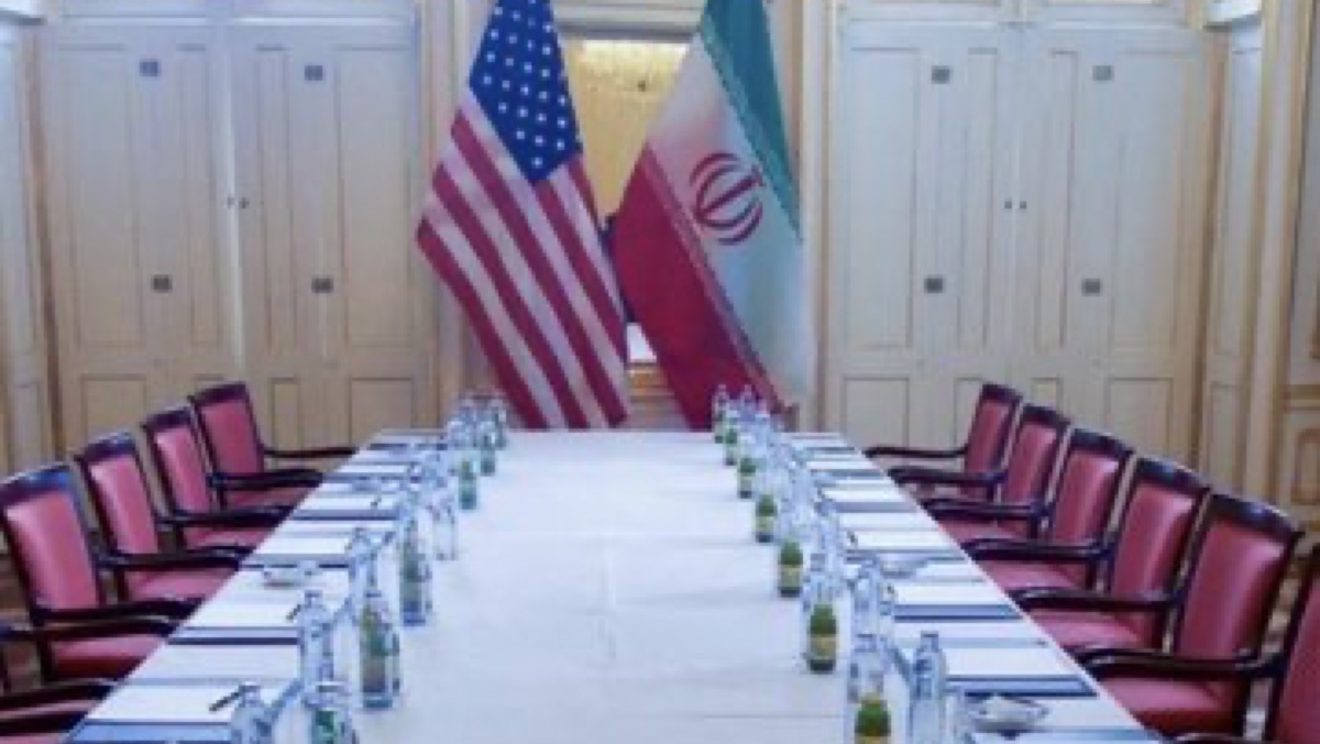
But this optimism is no longer fully secure. Iran said there are currently no plans for a second round of talks with the United States, accusing Washington of violating the ceasefire. This brings geopolitics back as a key factor in pricing the sector’s stocks.
Details
- Chip stocks moved along two tracks at once: a geopolitical track and an operational one.
- On the geopolitical front, the ceasefire announced on April 7 led to the reopening of the Strait of Hormuz after weeks of tension and closure that disrupted global supply chains.
- This immediately eased concerns over shortages of key materials used in chip manufacturing, especially helium and bromine, both directly tied to production and industrial etching processes.
- On the operational side, TSMC results amplified optimism, with first-quarter net profit rising 58% year-on-year to around $18 billion, marking the highest quarterly profit in its history.
- TSMC also raised its full-year revenue outlook and projected second-quarter revenue between $39 billion and $40.2 billion, signaling continued strong demand for advanced computing and AI chips.
- As a result, the sector saw a broad rally across large, mid, and small-cap stocks.
- According to the data, shares such as Semtech, Allegro MicroSystems, and Kulicke & Soffa rose, while major players like Broadcom, AMD, and Marvell continued strong gains after late-March weakness.
- The iShares Semiconductor ETF has climbed more than 30% since March 30.
- At the same time, politics returned to pressure market sentiment. Talks in Islamabad between April 10 and 12 failed to produce a lasting agreement.
- Iran’s Foreign Ministry said on April 19 there are no current plans for a second round of negotiations, accusing Washington of breaching the ceasefire.This leaves the market facing a critical question: is this the start of a stable de-escalation or just a fragile pause that could quickly collapse?
- The immediate market impact appeared on three levels.
- First, supply fears eased. The reopening of Hormuz restored some predictability to shipping routes for raw materials and components tied to chip production.
- The strait’s closure had cut off about 35% of global helium supply, a disruption large enough to raise costs and complicate factory schedules.
- Second, risk appetite returned. Investors viewed the ceasefire as reducing the likelihood of rising costs, shipping delays, and logistical bottlenecks.
- Third, TSMC reinforced the AI investment narrative. Its results showed that demand for advanced chips remains strong despite geopolitical disruptions.
- Demand is still robust enough to lift both profits and forward expectations.
- The note that 3-nanometer chips now account for 25% of TSMC revenue highlights where growth is concentrated: in the most advanced, high-value products.
- Still, the impact is not entirely positive. The market is now more sensitive to any new political deterioration, as part of the recent rally was built on expectations that the ceasefire would hold and talks would continue.
If that assumption weakens, markets may begin to reprice geopolitical risks in the sector.
What’s Next?
- The next phase depends first on the ceasefire itself: whether calm holds through the full two-week period or violations bring tensions back to the strait.
- It also depends on the U.S.-Iran negotiation track. Iran’s statement does not fully close the door but removes certainty around a diplomatic breakthrough.
- Supply lines and costs remain key. If Hormuz stays open, pressure on materials, shipping, and energy should stay contained. If tensions return, risk costs will likely spread again across freight, insurance, energy, and chemicals tied to chipmaking.
- Finally, markets will monitor corporate earnings. TSMC has provided a strong foundation, but the key question is whether others will confirm the same trend or if markets have moved ahead of fundamentals.