Details
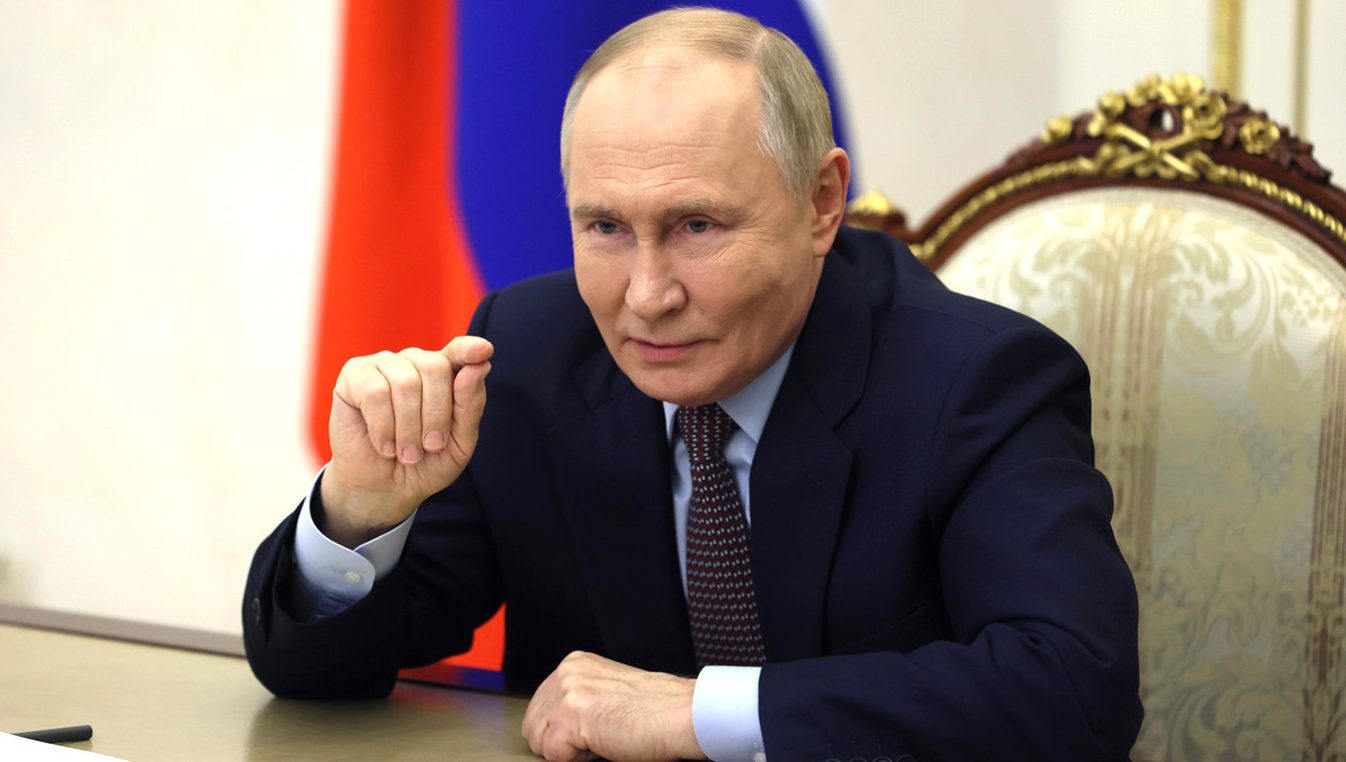
Putin asked top officials to explain why macroeconomic indicators were falling short of both government and central bank expectations after GDP in January and February dropped 1.8% from the same period last year. He rejected calendar effects as a full explanation and pointed instead to weaker business activity and investment.
The slowdown is visible across key sectors. Manufacturing, industrial output and construction all came under pressure, with construction among the hardest hit after falling 16% year on year in January and 14% in February.
Russia’s budget appears to also be worsening. Oil and gas revenues fell sharply in the first quarter, while government spending rose. That pushed the budget deficit to 4.58 trillion rubles, or about $60.5 billion, already above the full-year target in one of the source accounts.
High interest rates are adding to the strain. The central bank has eased policy only slightly, leaving borrowing costs high for companies and households as demand weakens and debt stress rises. Economists and Russian analysts have warned this mix could feed into a broader banking or debt crisis later in the year.
The labor market remains unusually tight. Central Bank Governor Elvira Nabiullina said Russia is facing a historic labor shortage, with unemployment near 2%. That has kept pressure on wages and inflation and made the slowdown more distorted than a standard downturn.
The warning signs have been building for months. Officials, banks and state-linked analysts have repeatedly raised concerns about a financial crisis, a debt squeeze or a wider non-payments shock as high rates bite and loan stress spreads.
Part of the problem is that earlier growth was heavily supported by war spending. Military outlays helped drive strong headline expansion in 2023 and 2024, but much of that momentum was concentrated in the defense sector. Civilian industries are now weakening, exposing how narrow that growth model had become.
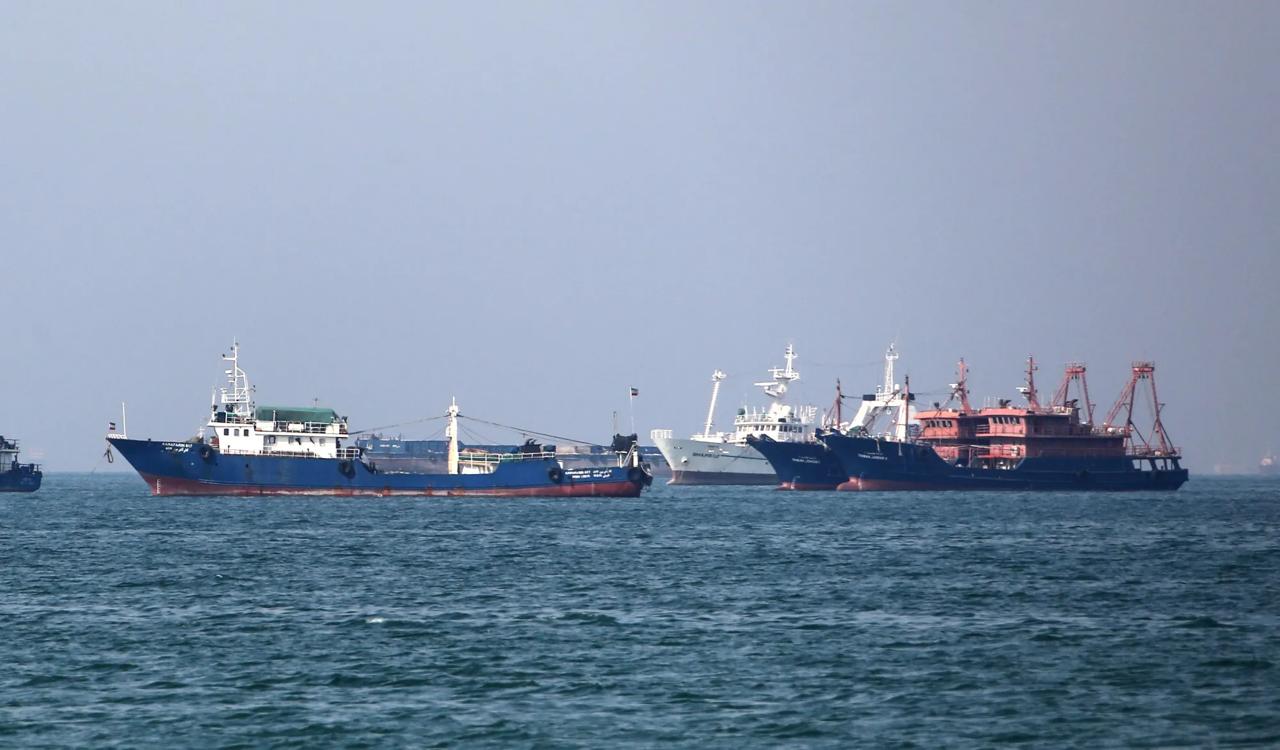
There is some short-term relief. The Iran war has pushed oil prices higher, and pressure on some Russian oil sales has eased, creating the chance of stronger revenues. But that support looks limited. Ukraine’s attacks on export infrastructure have reduced Russia’s ability to benefit fully, and several analysts in the dump treat the oil boost as temporary rather than a lasting fix.
What Else
The immediate question is whether the Kremlin and central bank can support growth without worsening inflation, financial strain or pressure on banks and borrowers. Markets will also be watching whether higher oil prices offer more than just a brief cushion. Even if the war in Ukraine is ended, the deeper economic problems would likely remain. Peace could improve conditions, but it would not restore lost business trust, reverse institutional damage or quickly shift Russia away from military-driven growth toward a healthier civilian base.