News
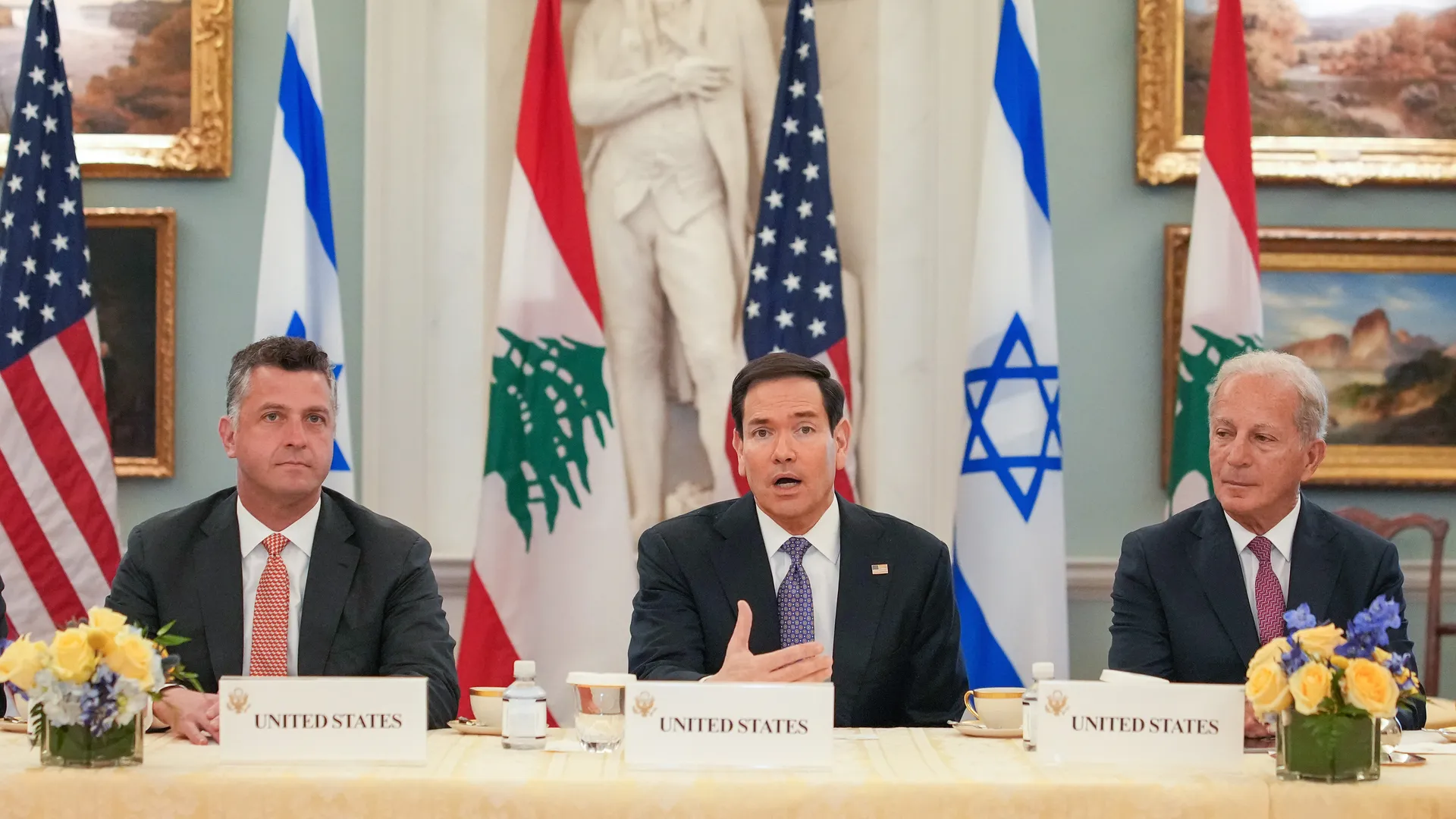
The Wall Street Journal says Saudi Arabia is intensifying pressure on Washington to halt the blockade imposed on the Strait of Hormuz and return to the negotiating table, amid Gulf fears that U.S. escalation could trigger a broader Iranian response beyond the strait itself.
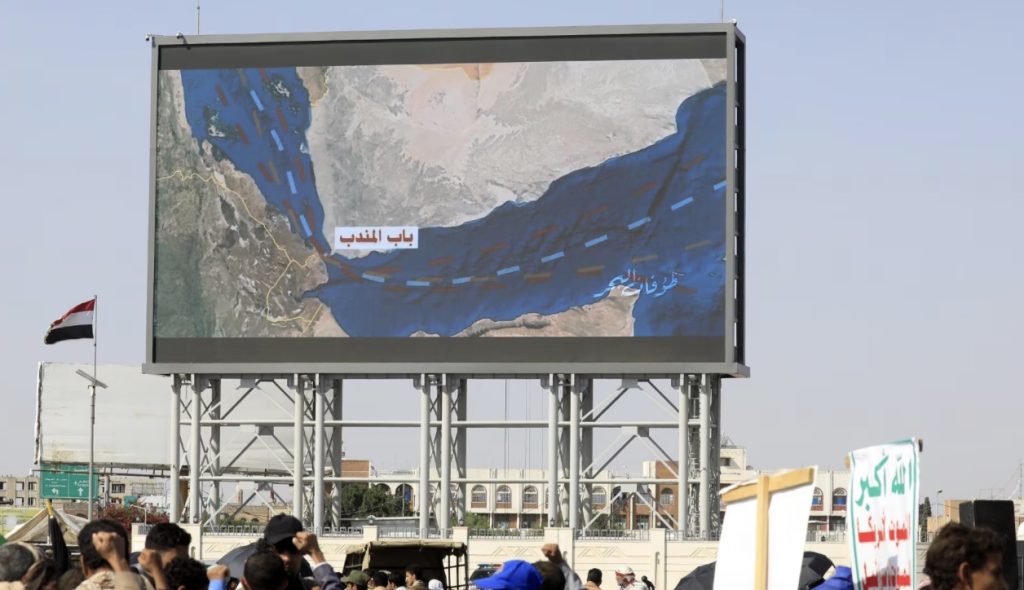
According to the paper, Riyadh believes continued maritime pressure on Iran could push Tehran to use the Bab al-Mandeb card through the Houthis, threatening a vital route for energy exports and trade between Asia and Europe, and placing Saudi oil flows through the Red Sea under direct pressure.
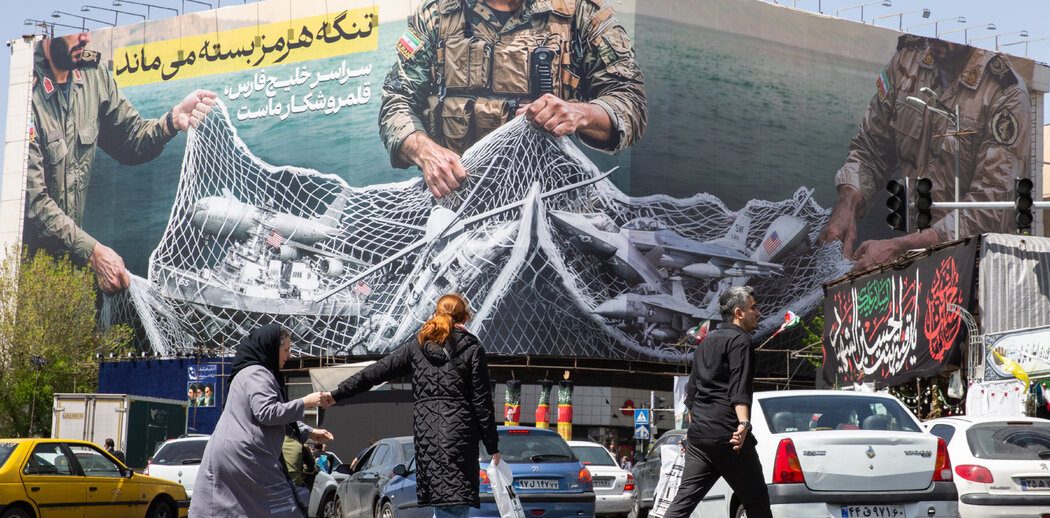
The paper adds that the U.S. blockade came into force after recent threats and contacts failed to persuade Iran to loosen its grip on Hormuz, but this path has also exposed the limits of naval power if Iran chooses to shift the battle to other chokepoints.
Details
• Saudi Arabia has restored export levels close to pre-war volumes by moving crude overland to the Red Sea port of Yanbu after Hormuz was disrupted.
• That alternative remains fragile if Bab al-Mandeb is disrupted or closed, because it is the main exit route for exports redirected away from the Gulf.
• The Houthis control a long stretch of coastline near Bab al-Mandeb and have a previous record of disrupting shipping with missiles, drones, and small boats.
• Iran is pressuring the Houthis to use this card again, while Iranian media outlets close to the Revolutionary Guard have signalled the possibility of closing the Red Sea gateway.
• The paper cited regional officials as saying Gulf states do not want the war to end with Iran still holding Hormuz, but at the same time they do not see open-ended maritime escalation as a stable solution.
• There were earlier Houthi assurances not to target Saudi Arabia or ships linked to it, but Riyadh told Washington the situation remains fluid and could change if Iran pushes the Houthis toward deeper involvement.
• Iran, for its part, is signalling threats against neighbouring ports, saying that if the security of its own ports is threatened, other ports in the Gulf and the Sea of Oman will not remain safe.
What next?
Saudi pressure is aimed at lowering tensions and preventing the crisis from spreading from Hormuz to Bab al-Mandeb. If mediation fails, the maritime war could enter a more dangerous phase, with the security of oil routes divided between two chokepoints instead of one, carrying a higher cost for the Gulf, markets, and global trade.