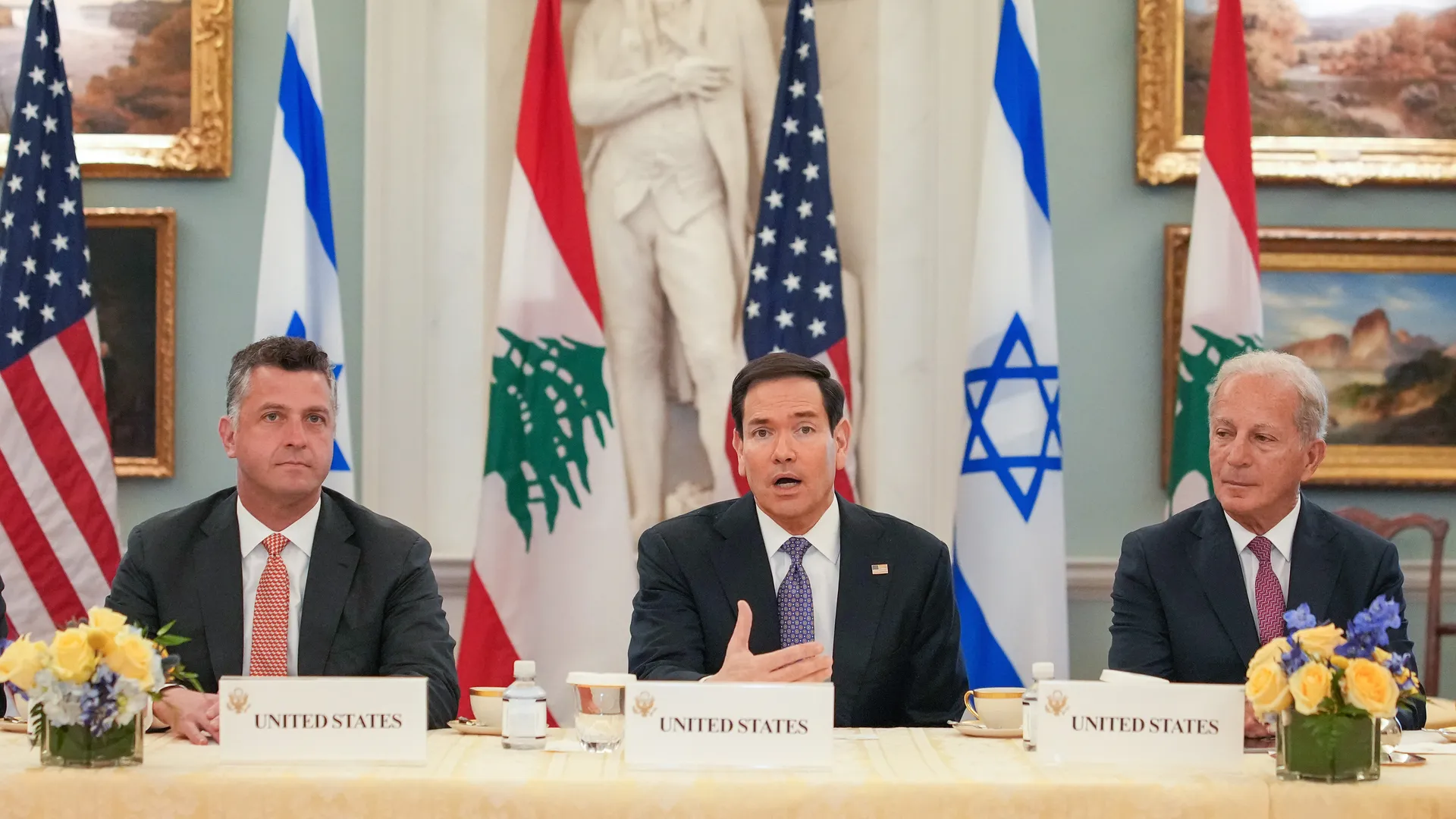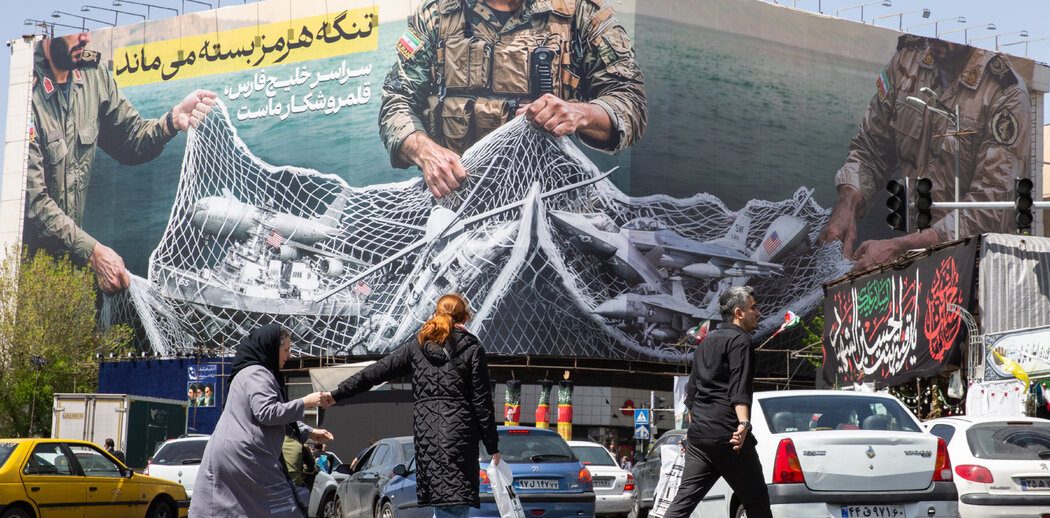
Washington has begun implementing a naval blockade on traffic linked to Iranian ports in the Gulf, the Gulf of Oman, and parts of the Arabian Sea after the Islamabad talks stalled, in an attempt to cut off Iran’s oil export lifeline and pressure Tehran into returning to an agreement on tougher U.S. terms.
For its part, Iran is betting that the cost in markets, energy, and U.S. domestic politics could become a counter-pressure point on Trump before it becomes a point of submission for Tehran.
Details
• U.S. Central Command said the blockade covers all ships entering or leaving Iranian ports, regardless of nationality, while theoretically allowing vessels bound for non-Iranian ports to transit through the strait.
• Reuters said the move expands the zone of risk east of the Strait of Hormuz into the Gulf of Oman and the Arabian Sea, with ships potentially subject to interception, diversion, or detention if they enter the restricted area without authorization.
• The enrichment dispute remained the central obstacle in the Islamabad talks. Axios reported that Washington asked for a 20-year enrichment freeze, while Tehran offered a shorter single-digit period, rejecting the removal of all highly enriched uranium and instead accepting a monitored down-blending process.
• Trump said that Iran had reached out on Monday morning and wanted a deal, but stressed that he would not accept any agreement that allows Tehran to have a nuclear weapon.
• At the same time, mediators from Pakistan, Egypt, and Turkey are still working to narrow the gaps before the ceasefire expires on April 21.
• Oil rose again above $100 a barrel after the blockade announcement and the collapse of talks, signaling that the economic pressure is no longer confined to Iran and is already feeding directly into the global market.
• Iran warned that any threat to its ports would mean that no port in the Gulf or the Gulf of Oman would be safe, while Britain and France refused to join the blockade and began backing the idea of a separate defensive mission to protect shipping later on.
• China called for de-escalation and rejected the U.S. move as harmful to international interests.
What next?
The real test now is each side’s ability to absorb the costs of the blockade.
Washington wants to choke off Iran’s oil revenues and force a clear nuclear concession, while Tehran is trying to turn the strait into a zone of political and economic attrition for Trump and for the global market.
The two key indicators in the coming hours are whether oil keeps rising quickly, and whether mediators can arrange a second round before the ceasefire turns into nothing more than a short pause between two phases of escalation.
Source