The UAE is taking a firm and explicit position on the Strait of Hormuz after the cease-fire, and is treating freedom of navigation as the core of any agreement.
The official Emirati position stresses that Iran must fully stop hostile acts, guarantee freedom of navigation, and reopen the strait completely and without conditions, while also bearing responsibility for the damage inflicted on civilian infrastructure and energy facilities across the region.
This position gains regional and international weight because operational conditions in the Gulf are still far from any normal recovery.
The Wall Street Journal reported that the number of ships crossing after the cease-fire took effect remained very limited, compared with more than 100 to 135 vessels a day before the war.
Sultan al-Jaber, meanwhile, said around 230 oil tankers remain trapped inside the Gulf, and described a shipping reality that is still restricted, conditional, and under Iranian control.
Details
- Abu Dhabi is framing its position around three linked demands: a full halt to Iranian attacks, the complete and unconditional reopening of the Strait of Hormuz, and an end to threats against freedom of navigation, international trade, and energy security.
- On April 9, the UAE Ministry of Defence said the country’s airspace had seen no new threats in recent hours, but added that air defenses had intercepted 537 ballistic missiles, 26 cruise missiles, and 2,256 drones since the Iranian attacks began. That helps explain why the UAE sees Hormuz as a direct national security issue, not just a global energy file.
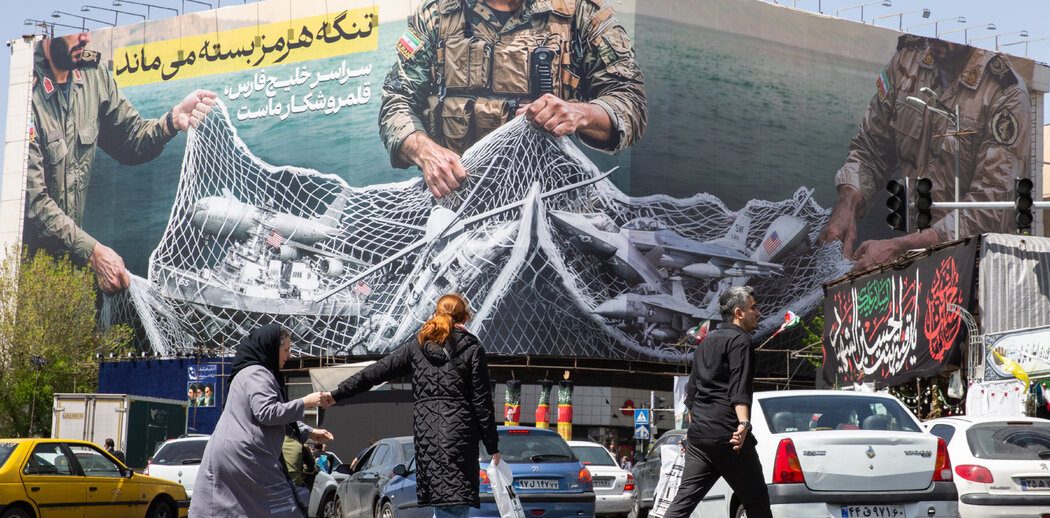
- The Wall Street Journal reports that traffic through the strait fell to an extremely thin level after the cease-fire, and that Iran kept passage limited and tied to prior coordination, while large numbers of tankers remained stuck in the Gulf.
- The paper also said Iran sought to turn the crisis into a tool of financial and political leverage through fees and restricted routes, including redirecting part of the traffic into Iranian waters. That helps explain the UAE’s rejection of any arrangement that makes passage subject to permission or bargaining.
- Sultan al-Jaber described the Emirati position in the clearest political and economic terms when he said the strait is not open, and that transit is taking place in a restricted, conditional, and controlled manner. He called for it to be reopened immediately and without conditions. He also said ADNOC has cargoes ready and will raise output within the limits allowed by the damage it has sustained.
What next?
Emirati pressure is likely to focus on two parallel tracks during and after the Islamabad talks.
First, it will seek to lock in the principle that freedom of navigation is not open to negotiation and cannot be priced by Iran.
Second, it will push the international community to treat any continued restrictions as a direct threat to trade and energy, not as a technical detail inside the cease-fire.
Part of Iran’s negotiating leverage may also erode over time if keeping the strait restricted damages its own exports and pushes major powers, especially Asian importers, toward stronger pressure.