News
Attention is turning to Islamabad, where U.S.-Iran talks have begun on the edge of an unstable truce.
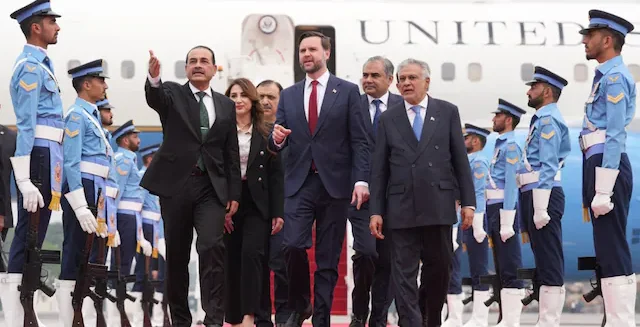
Vance has entered the scene as the highest-ranking U.S. official to take part in direct negotiations with Iran in decades, as the Trump administration bets on a fast breakthrough that can prevent the ceasefire from collapsing and address the most dangerous files: the strait, Lebanon, and Iran’s nuclear program.
The opening atmosphere does not suggest an easy path. The Iranians arrived with broad political authority and hard-line messages, while Washington came combining the offer of an open hand with an implicit threat to resume fighting if the round fails.
Details
• Vance arrived in Islamabad accompanied by Steve Witkoff and Jared Kushner, while the Iranian delegation includes Abbas Araghchi, Mohammad Bagher Ghalibaf, and prominent military, financial, and security figures.
• Washington sees this round as a potentially decisive moment to stabilize the ceasefire, but U.S. officials have acknowledged that the two sides still disagree even on what exactly is being negotiated.
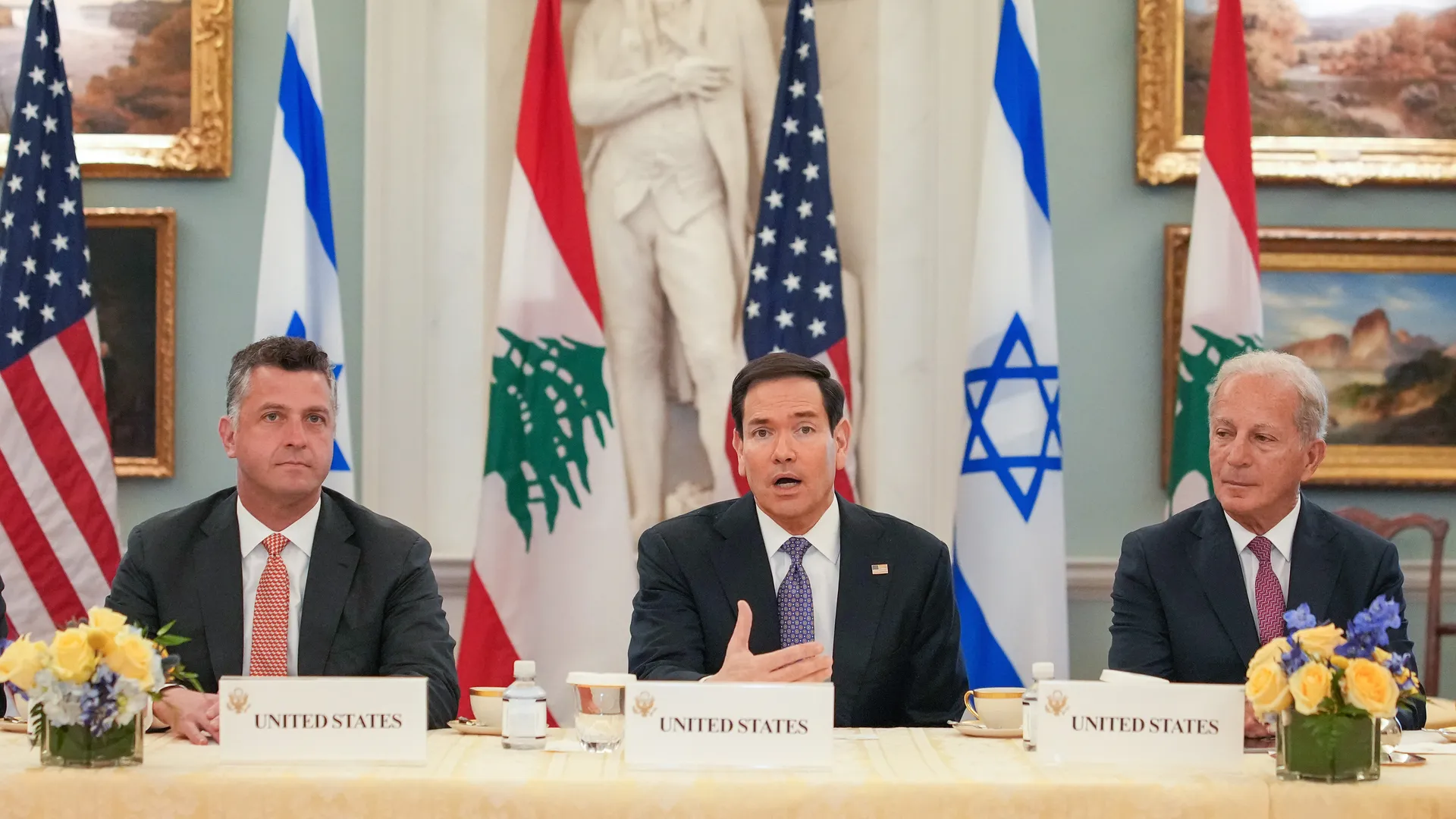
• Tehran insists that no understanding is complete unless Lebanon is included, while Washington and Israel reject that view, making Israeli strikes in Lebanon one of the most dangerous threats to the entire track.
• On the eve of the talks, Ghalibaf added two conditions: a ceasefire in Lebanon and the release of frozen Iranian assets, signaling that Tehran wants an early price rather than deferred promises.
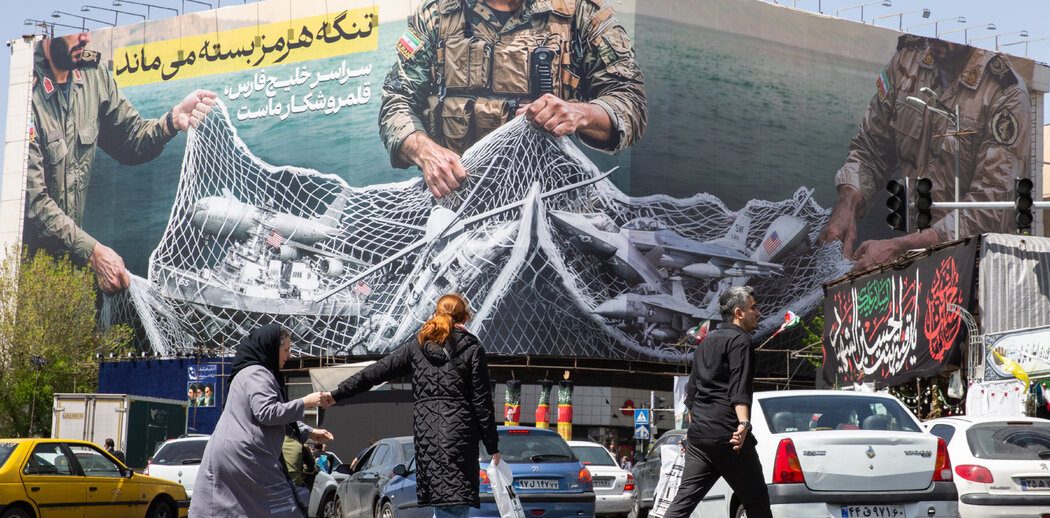
• The Strait of Hormuz remains the most urgent knot. Washington wants a full and safe reopening of navigation, while Iran is seeking to formalize its field control over the passage and turn it into a lasting negotiating card.
• On the nuclear file, the gap remains wide. The United States wants strict limits and the removal of enriched uranium, while Iran refuses to give up its right to enrich and links any deal to broad sanctions relief.
• The U.S. administration is betting on Vance’s presence to overcome the deep mistrust built up after previous rounds ended in military strikes rather than agreements, and because the Iranians see him as a figure less tied to the deception of earlier rounds.
• Inside Washington itself, there is no full consensus on the wisdom of raising the level of representation this quickly, with some officials arguing that the groundwork remains thin and that sending the vice president early raises the cost of failure.
• By contrast, people close to Vance believe he asked for this role himself, and that success in extracting a negotiated exit would turn him into a central player in the most dangerous foreign-policy file of the Trump administration.
• Pakistan is moving here as a mediator, host, and facilitator, but it is also deeply invested in the success of de-escalation because of its heavy dependence on Hormuz and its security sensitivity along the border with Iran.
What next?
The first test is not delivering a comprehensive deal immediately. It is preventing the round from collapsing at the start. If Vance returns from Islamabad without tangible gains, extending the ceasefire will become difficult, and the chances of a return to military escalation will rise quickly.