News
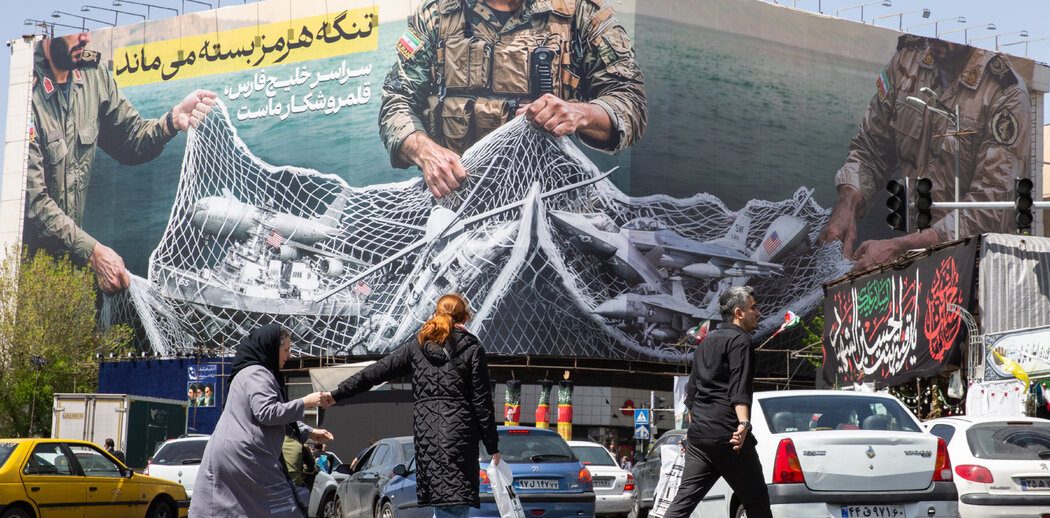
Washington: Trump sharply raised the level of his threats as the deadline he set for Iran to reopen the Strait of Hormuz drew closer. He said the coming hours could be among the most important moments in the long and complex history of the world, signalling the possibility of a broader wave of strikes if Tehran does not respond.
The political escalation came alongside confirmation from U.S. officials that the American military struck military targets on Kharg Island early Tuesday. Kharg is Iran’s main oil export hub, but Washington stressed that the strikes did not target oil infrastructure itself and were instead repeat strikes on military sites that had already been hit.
On the ground, Iranian media reported deaths and injuries after a railway bridge in Kashan was struck, and also reported attacks on bridges in other parts of the country. Iranian authorities suspended train services on two main rail lines until further notice after an Israeli warning against rail travel inside Iran until Tuesday evening local time.
Details
• This escalation comes with no public diplomatic breakthrough. Regional mediators had proposed a 45-day ceasefire, but Trump said the plan was not enough, while Iran rejected the truce proposal in its current form.
• Tehran said it would respond crushingly and extensively to any attack on civilian infrastructure, while the Revolutionary Guards warned that the response could go beyond the region if the United States crossed red lines.
• The war’s effects have spread to Gulf states. Saudi Arabia said debris fell near energy facilities in the kingdom’s east after a missile interception.
• The UAE said missiles and drones were launched from Iran, and Sharjah said it was responding to an incident that hit an administrative building belonging to a telecommunications company.
• In the markets, Brent crude rose to about $111 a barrel before giving up part of its gains, as investors waited to see what would happen when the U.S. deadline expires.
What next?
Attention is now on whether Tehran will offer a concession that eases the escalation before the deadline expires, or whether Washington will move to a broader phase involving additional strikes on bridges, power plants and other civilian facilities, pushing the war into a more dangerous regional and international stage.