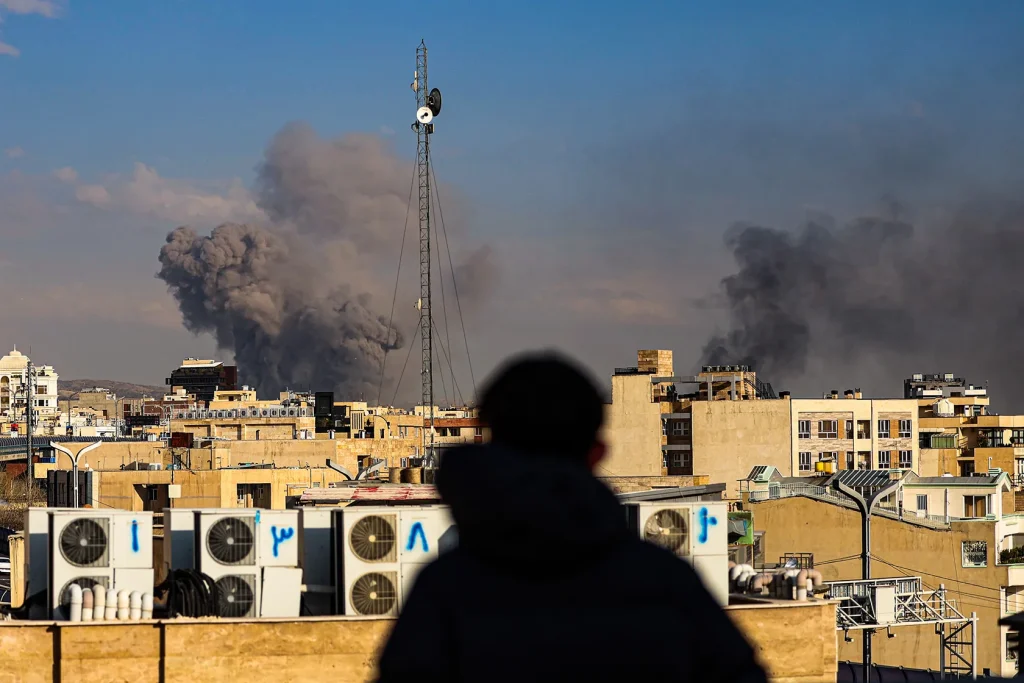
After weeks of intensive U.S. and Israeli strikes, Iran was supposed to have lost most of its ability to mount an effective response. But the downing of two U.S. aircraft, and the continuing search for a missing crew member inside hostile territory, showed that Tehran has not yet been pushed out of the military equation. It has taken serious damage, but its hand has not been paralysed.
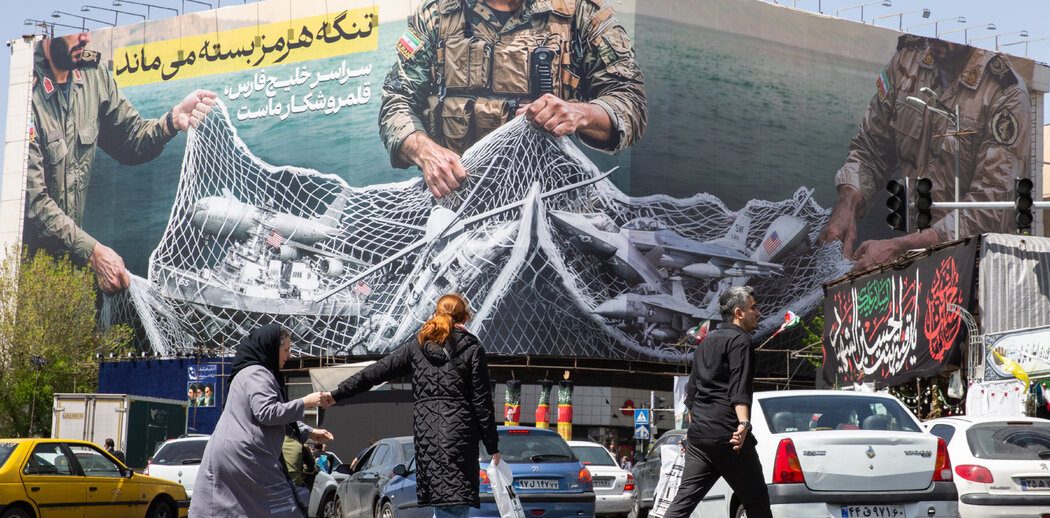
What the current picture suggests is not that Iran has regained balance, but something more important: it still retains enough capacity to cause disruption, complicate calculations, and impose battlefield realities that embarrass the U.S. narrative of complete air supremacy.
Details
The clearest sign of this is that the shootdowns came alongside other indicators suggesting that part of Iran’s combat structure remains operational. Assessments point to an ability to preserve some missile launchers, reactivate others, and make use of hardened facilities and underground infrastructure, alongside decoy sites designed to disperse incoming strikes.
This pattern gives Iran a capacity for survival, and for imposing a longer war of attrition than Washington appeared to expect. In that sense, the real significance of the aircraft shootdowns lies in the message they carried: the war remains open to costly surprises.
At the same time, Israel is moving to reduce that risk by striking air defences and sites tied to missiles, research, and development. But that very course of action also shows that the conflict has not yet moved into a post-decision phase. It is still in the stage of hunting down what remains of Iran’s ability to inflict damage.
The partial closure or disruption of Hormuz, and the fallout already felt across the Gulf, also show that Tehran does not need to overturn the balance of power to impose a form of crisis. It only needs to keep its tools of disruption alive, and make the cost of continuing the war higher for its adversaries, their allies, and global energy markets.
What next?
The key question is whether this military blow has been enough to strip Iran of its disruptive capacity. So far, the answer appears to be: not yet.
That means the next phase will revolve around a harder test: can Washington and Tel Aviv turn military superiority into actual Iranian paralysis, or will Tehran continue fighting from a weaker position that remains dangerous?