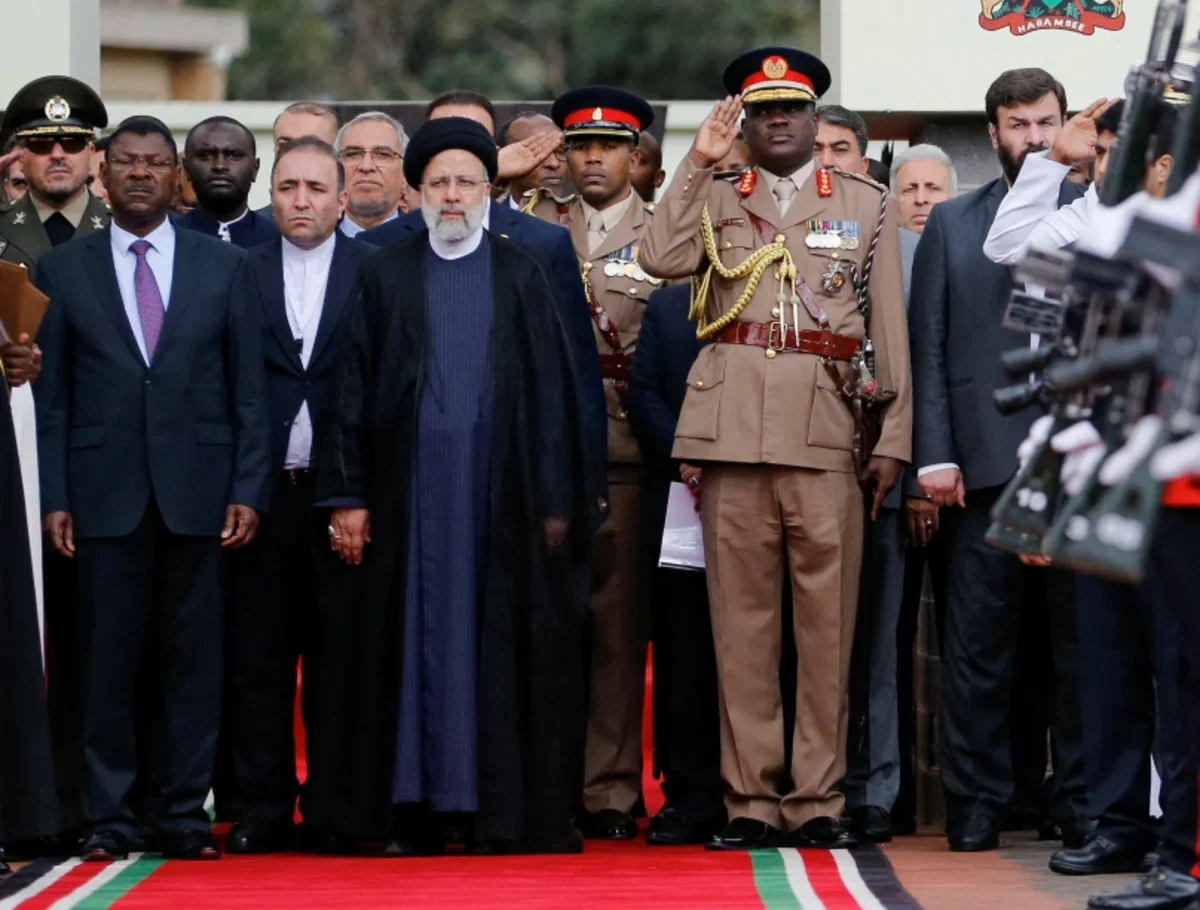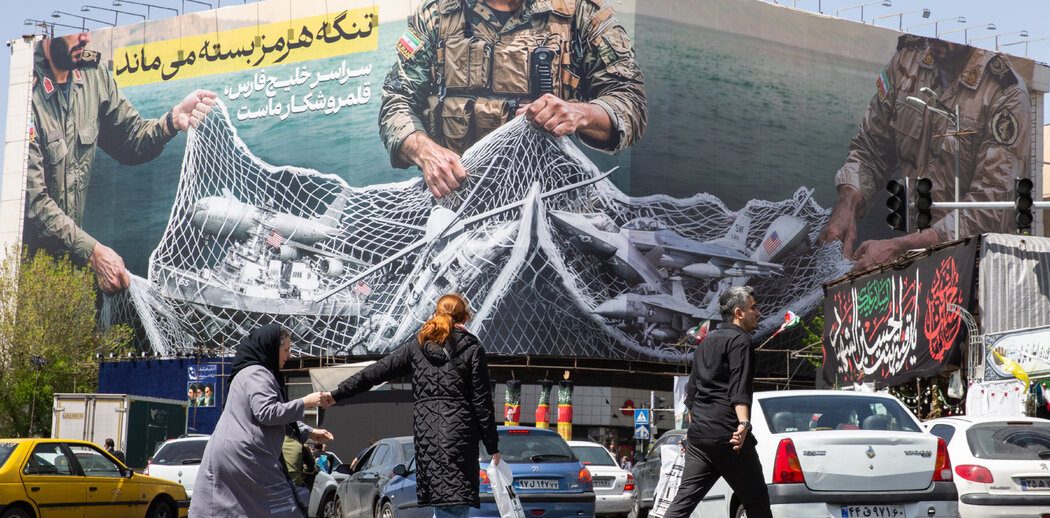

The Washington Post reveals that Israel did not enter the war on Iran merely to destroy military infrastructure. There was another mission, more important and more precise: to hunt down and kill the regime’s leaders. According to the report, this role remained a clear part of the division of labor between Washington and Tel Aviv from the very start of war planning.
The newspaper says Israel has carried out this mission with lethal efficiency, beginning with the opening strike that killed Ali Khamenei and extending to the killing of more than 250 senior Iranian officials, according to a count maintained by the Israeli military. The latest strike, according to the Israeli account, was the killing of the naval commander of the Revolutionary Guards.
According to Israeli officials, this campaign relies on a modern assassination system combining the recruitment of informants inside Iran, the penetration of thousands of digital targets, and a classified AI platform that searches mountains of data for clues leading to the locations of leaders and their daily behavior.
Detail
Over recent years, Israel has developed a deep capacity to penetrate what resembles Iran’s digital nervous system. This includes street cameras, communications networks, payment platforms, security databases, and even the central hubs the regime created to impose communications blackouts on the population. This expansion gave Israeli intelligence a wide window into the movements of Guards members, advisers, and their relatives.
This data would not have become so valuable without a new AI platform that Israel uses to comb through this enormous mass of information and extract patterns and small signals linked to the lives and movements of leaders. That is where the qualitative leap lies: gathering information and rapidly turning it into a live, moving target bank.
Mossad is leading this effort together with Unit 8200, alongside a long history of coordination with U.S. agencies. But many of the tools now feeding leadership strikes expanded after the wave of Iranian-Israeli cyber confrontations over the past five years. From there, Israel moved from digital disruption to building a comprehensive penetration capability.
On the operational side, Israel has used a wide spectrum of assassination tools, from pre-planted explosives to precise drones and air-to-surface missiles launched by Israeli fighter jets after neutralizing Iran’s air defenses. But the backbone of the current campaign has remained airstrikes based on highly precise real-time intelligence.
The clearest example of this was the Feb. 28 strike that killed Ali Khamenei and a large number of the regime’s top leadership. Israel did not reach that target through one sudden intelligence breakthrough, but through prolonged monitoring of the meetings of the Group of Five, the term used for Khamenei and his closest circle. According to the report, those meetings had been under surveillance for a long time, to the extent that the option of striking them had also been raised before the previous war, then postponed because the nuclear program was the higher priority.
The Washington Post notes that Mojtaba Khamenei survived that strike after being seriously wounded. Since then, his leadership role appears limited and surrounded by isolation, while he is believed to have approved the involvement of parliament speaker Mohammad Bagher Ghalibaf in preliminary talks with the United States.
Although Israel succeeded in reshuffling the top of the regime at remarkable speed, the political and strategic results remain limited. Some of the leaders who were killed have been replaced by more hard-line figures, street protests have failed to take shape, and the regime still appears, in the eyes of Israeli officials, wounded but cohesive and capable of claiming it has withstood the blows of two major military powers.
(Analysis)
Israel has become highly skilled at assassination, but the war itself has also revealed a growing reliance on assassination as a strategic tool rather than a limited operational method. That raises a deeper question: does killing leaders open the way to decisive war outcomes, or does it become a substitute for such a decisive outcome?
The newspaper suggests that Israel has achieved clear intelligence and technological superiority, but it has not yet proved that this advantage alone is enough to bring down the regime, eliminate the missile threat, or prevent the emergence of an even more hard-line leadership. That explains why the campaign appears tactically successful, while still strategically unresolved.