News
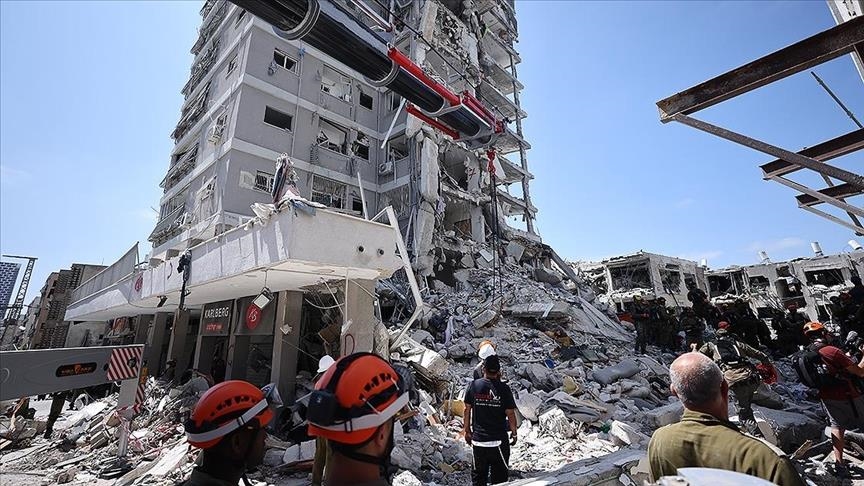
The war entered a new phase this morning: Iran has not yet been defeated in the sense that would allow victory to be declared, but it is no longer fighting alone either. What is happening now is a simultaneous widening of the fronts: continuing Iranian strikes, at varying levels, against Israel, the Gulf, and Jordan; U.S. preparations for more confrontational options; parallel Israeli escalation in Lebanon; and a renewed rise in Iraq’s temperature as a direct battlefield.
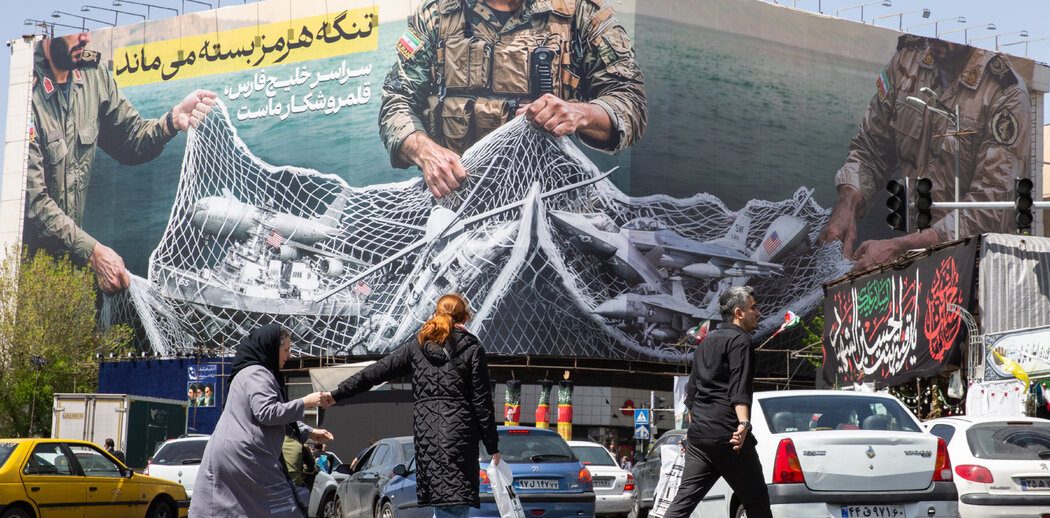
At its core, the issue is no longer how many missiles or drones Iran still has left. The issue is that Tehran still retains enough capability to unsettle the region and keep the war politically, militarily, and economically costly. That is what is pushing Washington away from the rhetoric of quick victory and toward more dangerous discussions about hit-and-run strikes, limited ground operations, and perhaps moves on islands and coastal sites linked to Hormuz and Kharg.
Detail
Iran and the activation of proxies!
The message imposed by the past few days is clear: Iran has been hit hard, but it is still capable of inflicting pain. The strikes that hit the Gulf, the volleys toward Israel, and then the Houthis entering the line of fire all mean that Tehran still retains, to a meaningful degree, enough operational capability to keep the war multi-front, even if the intensity of fire has declined compared with the beginning.
Iraq as a hot front!
The bombing of PMF headquarters in Anbar, and the targeting of sites in Mosul and Kirkuk, came in parallel with a highly sensitive development in Kurdistan after the targeting of Nechirvan Barzani’s residence, along with a sharper tone from Masoud Barzani against what he sees as Sudani’s government sheltering behind repeated statements and ineffective committees. In that sense, Iraq is turning into a dual pressure arena:
• striking the infrastructure of the factions on one hand,
• and provoking the Kurdistan Region politically and security-wise on the other.
Lebanon and the consolidation of the buffer zone!
In Lebanon, Israel is moving toward entrenching a security belt south of the Litani, with broader evacuation orders and systematic destruction of infrastructure near the border. The meaning here is that the Lebanese front has shifted into a plan to redraw a new security geography on the ground.
Washington and the more dangerous threshold!
The most important American indicator this morning is that the Pentagon is continuing to prepare scenarios that do not match the declared rhetoric of de-escalation.
Talk of operations lasting for weeks, and of raids or limited control over maritime and coastal targets, suggests that Washington wants to possess a more decisive military option if current pressure fails to break Iran’s ability to disrupt.
The mediation has not matured yet!
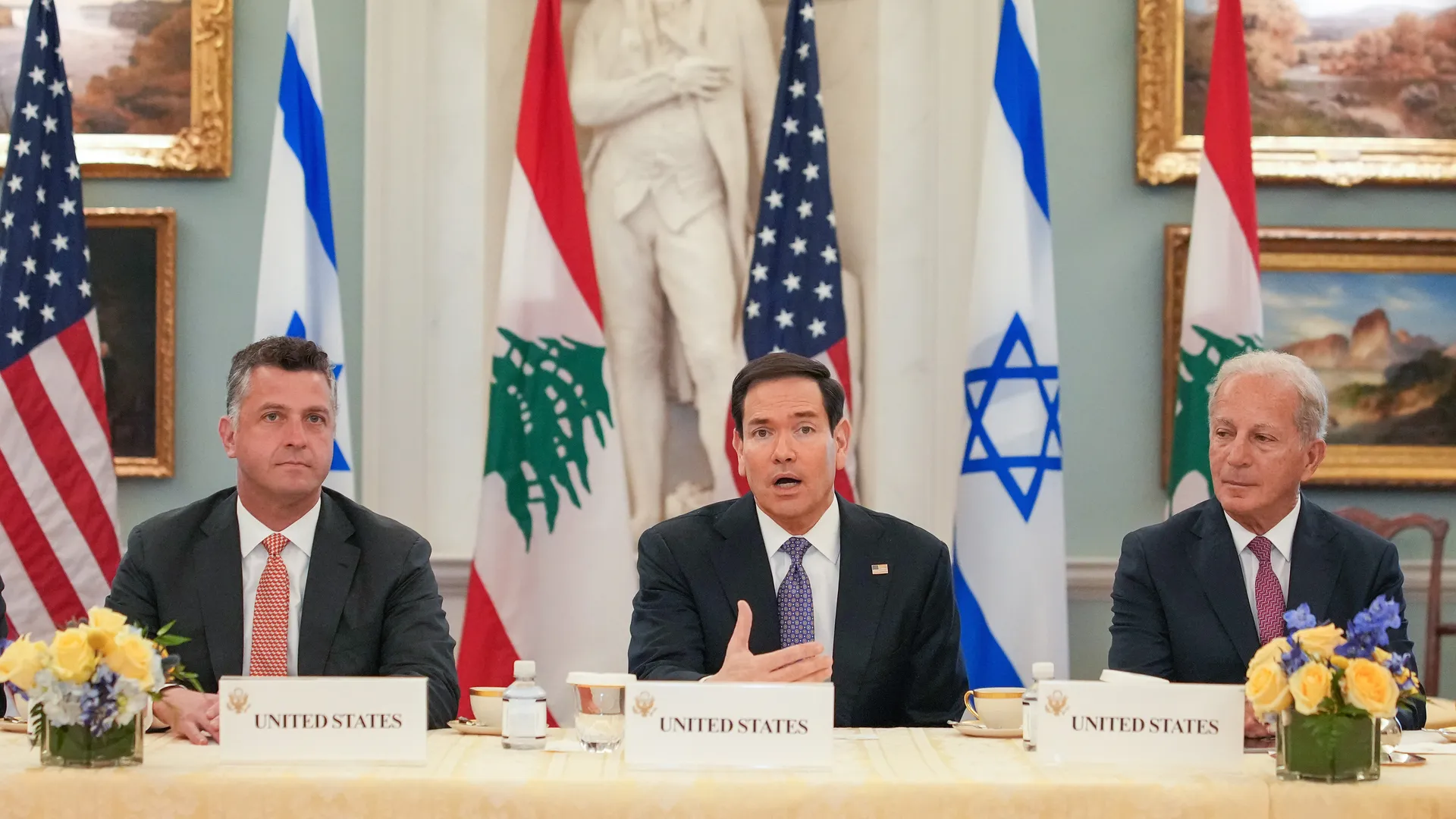
By contrast, diplomacy remains in the picture, but without a clear breakthrough. Pakistan is trying to assemble a regional de-escalation track and is presenting itself as an active mediation channel between Washington and Tehran, but the gap remains wide: Iran is demanding an end to the attacks and guarantees, while the United States is moving on the ground and offering negotiations from a position of upper hand.
What next?
The next phase will be decided by three tests:
• Can Iran keep the fire distributed across more than one front?
• Will Iraq and Lebanon shift from support arenas into higher-intensity battlefronts?
• And will Washington stop at air and naval pressure, or actually move toward ground action that would raise the war to an entirely new level?