
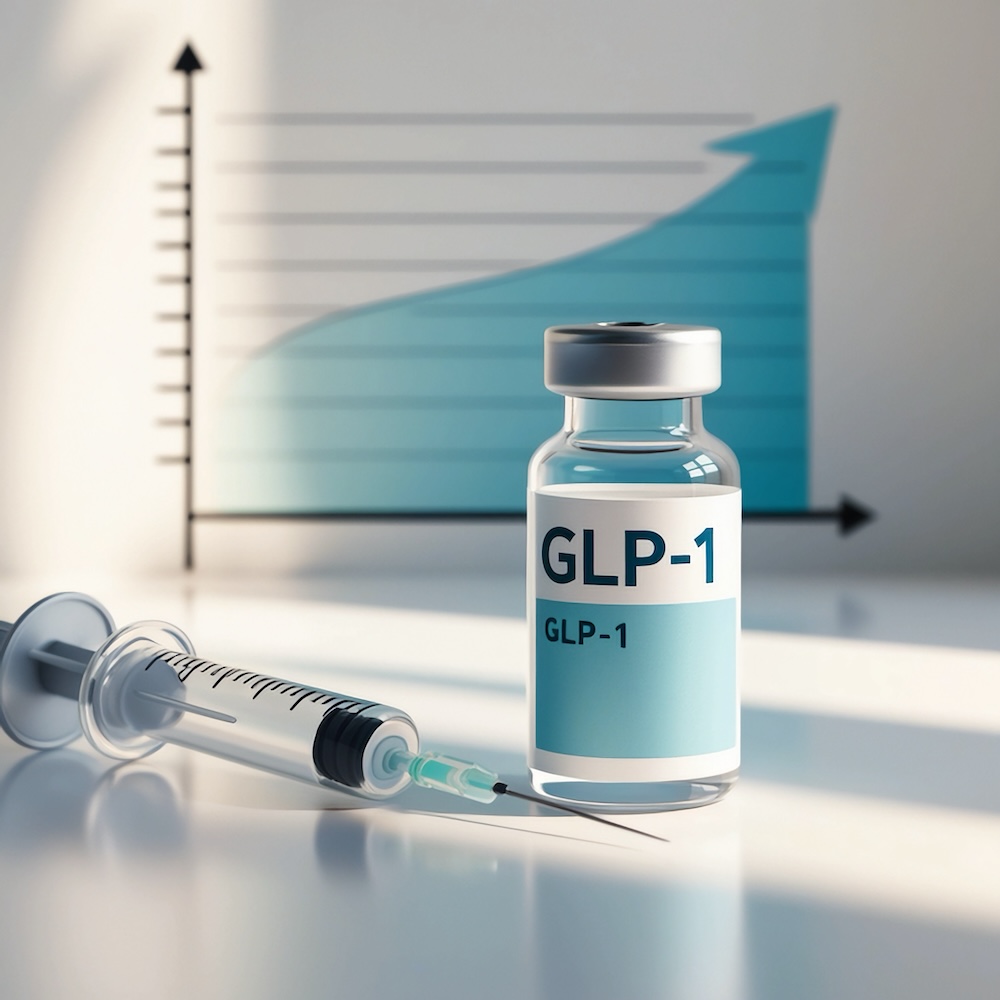
The use of GLP-1 drugs is expanding rapidly, with emerging evidence of unexpected health benefits beyond their primary role in treating diabetes and reducing body weight, prompting scientists to reassess their broader impact on the body.
This class includes well-known drugs such as Ozempic, Wegovy, Mounjaro, and Zepbound, which help regulate blood sugar and promote a feeling of fullness. As prescriptions rise, clinicians are observing improvements in multiple conditions, even among patients who have not lost weight.
Doctors have reported improvements in joint inflammation, blood pressure, and sleep apnea, along with potential positive signals in heart disease, liver conditions, asthma, and even addiction.
Details
These drugs work by mimicking natural hormones in the body:
- Medications like Ozempic and Wegovy replicate the GLP-1 hormone, which regulates blood sugar and appetite
- Drugs like Mounjaro and Zepbound target two hormonal pathways, potentially enhancing their effectiveness
Despite the growing benefits, these treatments carry risks, with rare but serious cases reported, including:
- Stomach paralysis
- Vision disorders
- Possible links to osteoporosis and tendon tears
Recent data also suggest that many benefits may not persist after stopping the drugs:
- Weight regain can begin within weeks
- Most patients may regain a significant portion of weight within a year
- Stopping treatment may increase the risk of heart attacks, strokes, and death compared to continued use
Researchers note that these drugs also reveal how interconnected body systems are, as they appear to affect inflammation, the immune system, and brain function—not just metabolism.
What’s next?
Focus is shifting toward a deeper understanding of the long-term effects of these drugs and whether they will unlock broader therapeutic uses or face tighter limitations due to safety concerns.