News
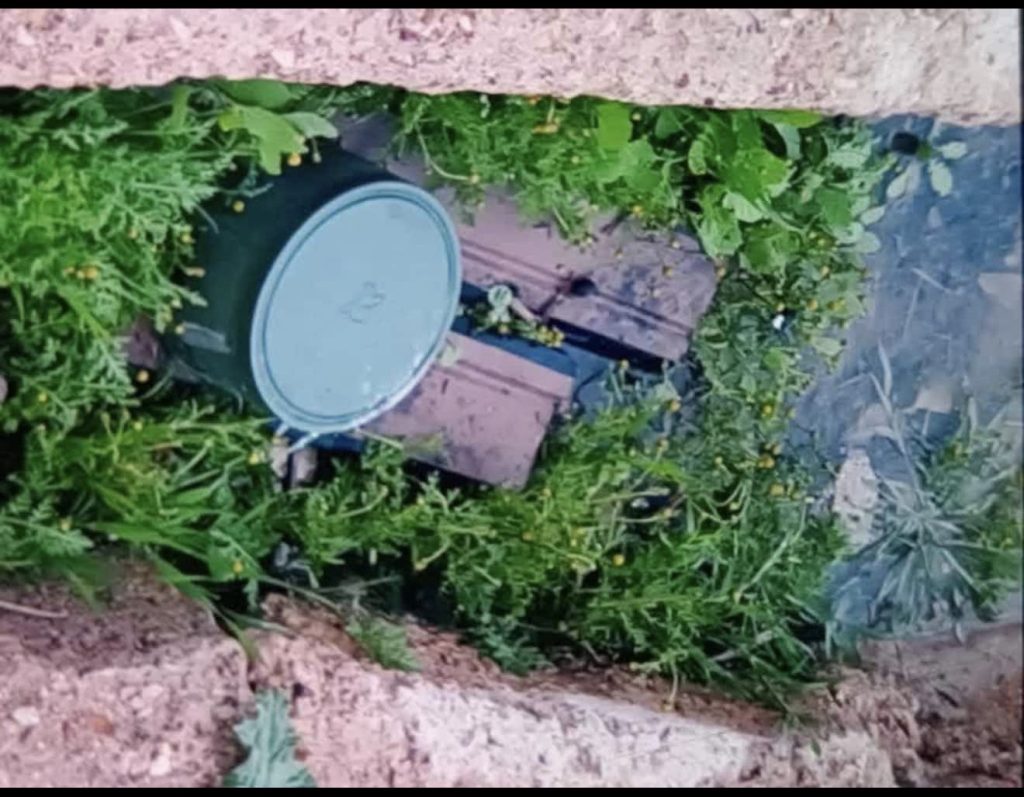
Images posted on social media on Thursday showed what munitions experts said were U.S. BLU-91/B anti-tank land mines scattered across a residential area in southern Iran, near Shiraz, in what could mark the first known U.S. use of this type of mine in a conflict in more than twenty years.
Experts said the mines were likely dispersed from the air using the U.S. Gator system, which is launched from aircraft to distribute dozens of munitions at once over wide areas. This assessment carries weight because the United States is the only known party in the current war with Iran to possess this system.
Detail
The images were taken outside Shiraz, about three miles from one of several nearby Iranian ballistic missile sites. The mountainous area west of the village contains multiple missile facilities, including sites that have sustained damage since the start of the U.S.-Israeli campaign about a month ago.
This positioning led military analysts to conclude that the mines were likely laid to obstruct movement around those facilities, especially the mobile launchers operating near the bases during the war.
These munitions are primarily designed to target armored vehicles by sensing a magnetic signature, but their danger does not stop there. They can detonate if civilians tamper with them or move them, and they also have a self-destruct feature that may cause them to explode hours or days after deployment. That turns them from a military denial tool into a direct threat to civilians in the surrounding area.
The images appeared to show only anti-tank mines, with no visual evidence of antipersonnel mines being released alongside them, although U.S. aerial dispersal systems can in some cases carry both types. The operating doctrine for this system states that it is mainly used to disrupt troop movement, fix forces in place, divert them, or block specific routes. Because of the way the mines are air-scattered, the resulting minefields can cover an area of roughly 650 meters in length and 200 meters in width.
By contrast, Iranian state media said at least one person was killed and others were injured by explosive objects resembling metal cans, while warning residents to stay away from any misshapen or unusual metal objects. U.S. Central Command did not comment on these reports.
The development brings land mines back into focus after years of declining use. Experts said the last known U.S. use of scatterable anti-tank mines was during the 1991 Gulf War, while the last known U.S. use of antipersonnel mines was recorded in Afghanistan in 2002. The incident has also triggered renewed human rights criticism, especially after the U.S. administration last year rolled back a previous policy restricting the use of antipersonnel mines outside the Korean Peninsula.
What next?
If it is officially confirmed that Washington used the Gator system in southern Iran, that would mark another shift from striking fixed targets to disrupting ground movement around missile nodes. It would also open a new political and human rights debate, because the impact of land mines does not end with the strike itself, but can continue for days or even longer.