News
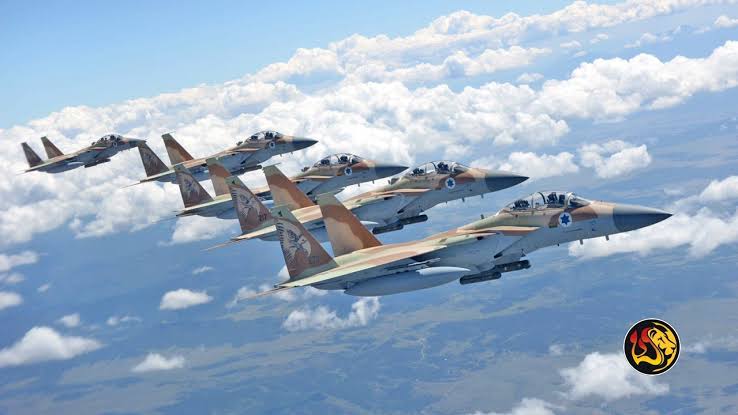
The war on Iran has entered a phase more sharply focused on deterrence nodes and maritime pressure. Reports today say Alireza Tangsiri, commander of the IRGC Navy, was killed in an Israeli strike in Bandar Abbas. His name was directly tied to the management of threats in the Strait of Hormuz and to the naval structure Tehran used to raise the cost of war on shipping and energy.
At the same time, talk in Washington is growing harsher about a decisive American blow. Axios revealed that the Trump administration has already studied broader military options, including a scenario for seizing Kharg Island, alongside the arrival of additional Marine units in the region. Other reports, citing U.S. officials, said the war’s objectives will not be achieved quickly and that the path remains open to wider escalation.
Detail
Tangsiri’s importance lies in the role he plays in the Strait of Hormuz equation. This is the point where Iran combines fast boats, missiles, drones, and the direct threat to the world’s most important oil passage. For that reason, targeting him represents a message to the structure that has handled choking the strait or threatening to choke it since the war began.
In Washington, the calculations appear to be running in parallel. Axios reported that the Pentagon is considering military options for delivering a crushing blow in Iran that could include the use of ground forces and large-scale bombing operations, and that the Kharg Island option was seriously floated as a way to force Tehran to back down. This means the Israeli strike on the Iranian naval commander comes within a broader track: dismantling the tools of closure on one side, and raising the American threat to a level that could go beyond limited airstrikes on the other.
Most dangerous here is that the gap between a tactical strike and a crushing blow is beginning to narrow. Simply circulating options tied to ground forces or to expanding the theater of operations means Washington no longer views Hormuz merely as a maritime transit problem, but as the knot of the whole war: if it remains closed or threatened, energy prices and political and economic pressure remain at the heart of American decision-making.
What next?
Attention is now turning to whether Washington will translate its threat of a decisive crushing blow into a larger military move, and whether Hormuz will remain a usable Iranian pressure card after the targeting of the head of the naval force most closely tied to managing it. Any answer on either of these two tracks could push the war to an entirely new threshold.