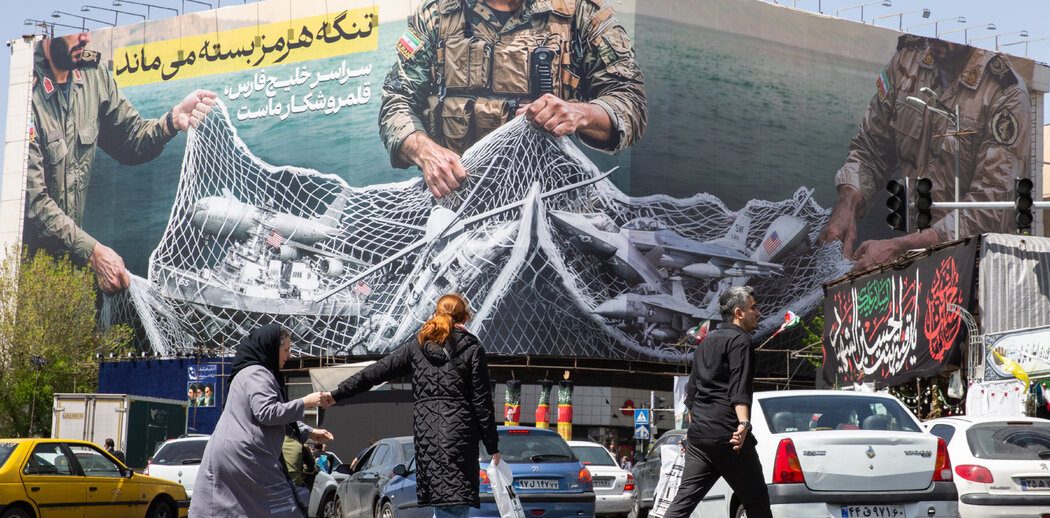
 The American military move in the Gulf is shifting from a reaction to the attacks to a planning phase to impose a new geographical reality that will end the crisis of the closure of the strait .
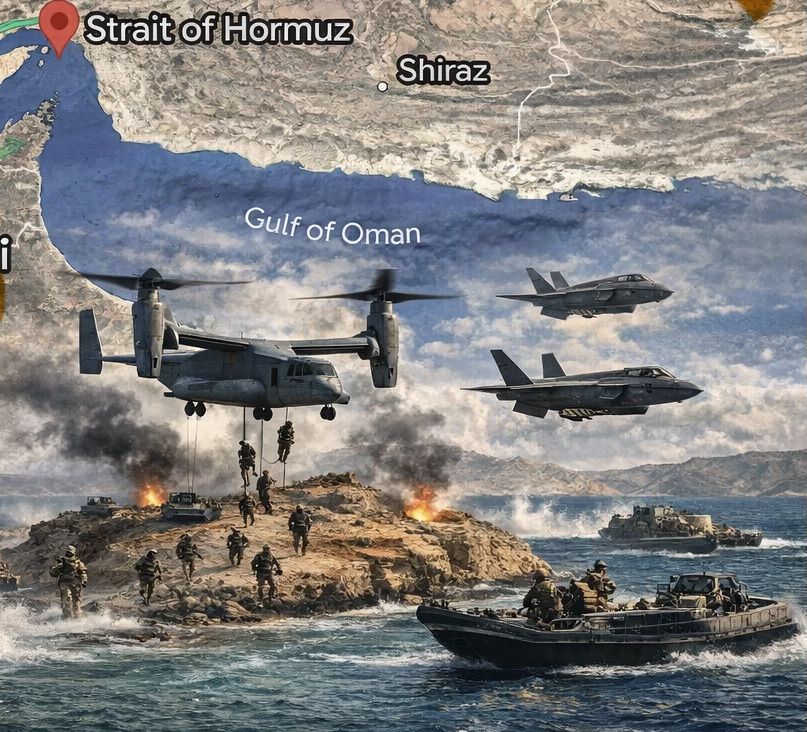
The arrival of the amphibious ship USS Tripoli , carrying 2,200 Marines , is seen as preparation for “ Seize and Hold ” operations targeting islands that Tehran uses as bases for planting mines and missile launch sites .
Details : The ” hostage island ” option instead of destroying the oil facilities!
In this context, Kharg Island stands out as a primary strategic target . Instead of destroying its oil infrastructure , which could cause a global economic and environmental catastrophe , military thinking leans towards ” controlling it “.
* Kharg Island : Represents 90% of Iran’s oil exports . Controlling it transforms it from a source of funding for the regime into a major ” bargaining chip ” in Washington’s hands .
Qeshm and Hormuz : Mountainous islands containing tunnels and speedboats . Controlling them would end Tehran’s ability to intercept tankers at the narrowest point of the strait .
* Operational capabilities : Unit 31 relies on Osprey aircraft and F-35B fighters capable of vertical takeoff, allowing for “ lightning “ operations without the need for traditional airports .
The current approach reflects a conviction within the Pentagon that thousands of airstrikes have failed to completely eliminate the Iranian threat . ” Cutting off ” islands is a strategic move that tightens the noose around the Revolutionary Guard and leaves it with two options :
- direct confrontation at sea
- Or accept Washington’s conditions for opening the strait .
What’s next?
The next phase will depend on a military ” test of the waters ” ; will the American forces begin a ” show of force ” near these islands, or will they wait for a new navigation incident to be the pretext for starting the ” big landing ” ?
The presence of the Marines in this equation certainly raises expectations from a ” war of attrition ” to a ” war of positions “.