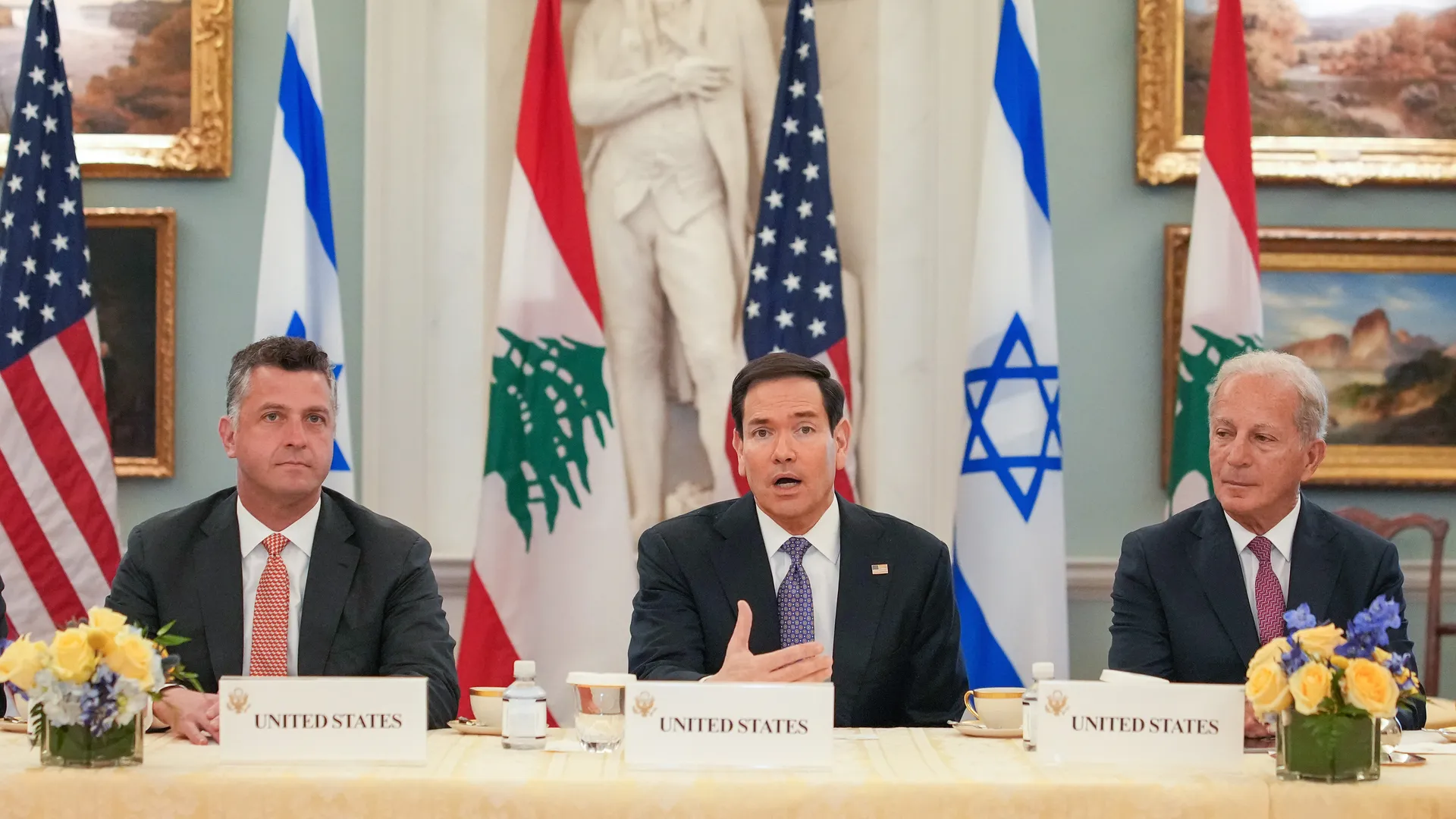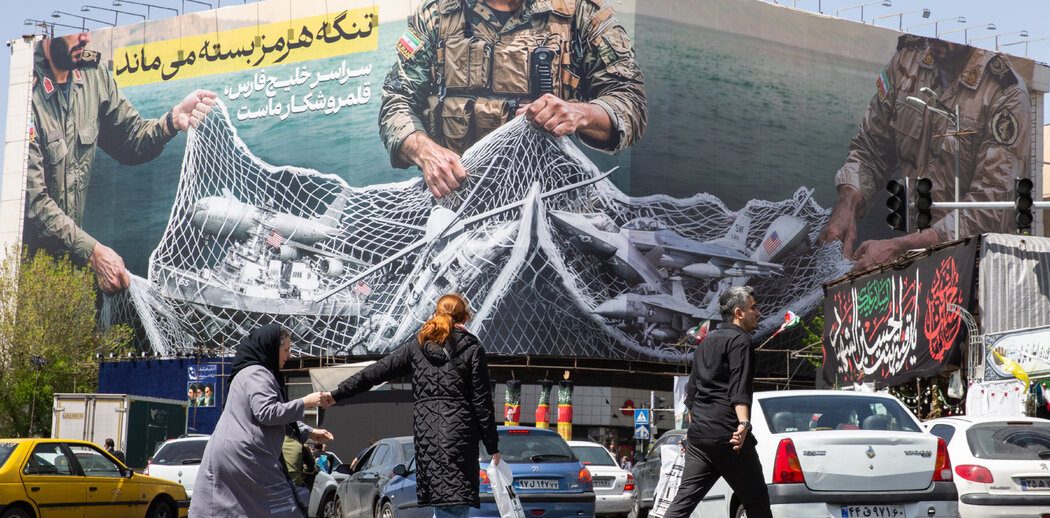
The Iran-Israel confrontation has entered an economic “bone-breaking” phase, turning Gulf waters and gas infrastructure into a direct battlefield for settling accounts.
Tehran has moved beyond traditional rules of engagement. Following the painful Israeli strike on the Iranian gas sector, Tehran responded with a wave of drones and missiles targeting Qatari infrastructure, alongside attempted breaches of Saudi and Emirati defense systems.
Strategic Detail
In this context, the Iranian escalation is read as an attempt to raise the costs of the war. Targeting Qatar—a vital global gas supplier—pushed prices up immediately, with Brent crude reaching $119 and European gas prices hitting record peaks during the EU summit in Brussels.
What this means strategically is that Washington now faces the choice of direct intervention. President Donald Trump, while maintaining that Israel acted alone, set a stern “red line”: any further attack on Qatar will be met with a total U.S. destruction of the South Pars field.
Trump is hinting at ending Iran’s ability to export energy entirely. This coincided with the targeting of two vessels in the Gulf, bringing the specter of the “Tanker War” back to the forefront and leaving waterways at the mercy of mounting military momentum. This pressure clearly aims to force the international community to restrain Israel from striking deep into Iran.
What next?
The key developments to watch are the outcomes of today’s Brussels summit. Will Europeans demand an immediate de-escalation to secure gas supplies, or will they align behind the “hard deterrence” signaled by Trump to end the Iranian threat to energy lines?