Many analysts believe the answer begins in Iraq.
In Iraq, politics, money, and weapons intersect. That is where the idea repeated by some experts comes from: the main cash flow and core fueling of the system passes through Iraq. If that door is shut, a large part of the regional influence network will be shaken.
The discussion here is not about the Shiite sect in Iraq as much as it is about the way sectarian identity has been used in politics.
The interest of Shiites in Iraq, as many Iraqis themselves say, lies in a strong and stable state, not in turning the country into an arena for regional conflict.
But from around 2012, a different phase began.
The region saw broad عمليات recruitment and training of armed elements linked to regional axes. These networks now possess weapons, experience, and the ability to move across more than one arena.
During Saddam Hussein’s era, there were thousands of Shiites inside the Iraqi army, but they were part of a state institution, not part of a cross-border ideological project.
Today, the scene is far more complex, as politics, militias, and sectarian rhetoric overlap in one equation.
The political rhetoric of some Iraqi leaders sometimes plays on Shiite emotions in the region, which deepens polarisation. Names such as Nouri al-Maliki, Hadi al-Amiri, Ammar al-Hakim, Abu Alaa al-Wala’i, and forces linked to the Badr Organisation, Iraqi Hezbollah, the Dawa Party, and the Mahdi Army appear frequently in discussions on this subject.
But the issue is not just about names. It is about the structure that formed around money and weapons.
Whoever controls money and weapons controls a large part of decision-making.
That is why some analysts believe Iraq has become the main financial outlet allowing money and resources to flow toward Iran under international sanctions.
This is why an idea repeated in research centres keeps resurfacing: if this financial outlet is closed, the whole system could come under pressure.
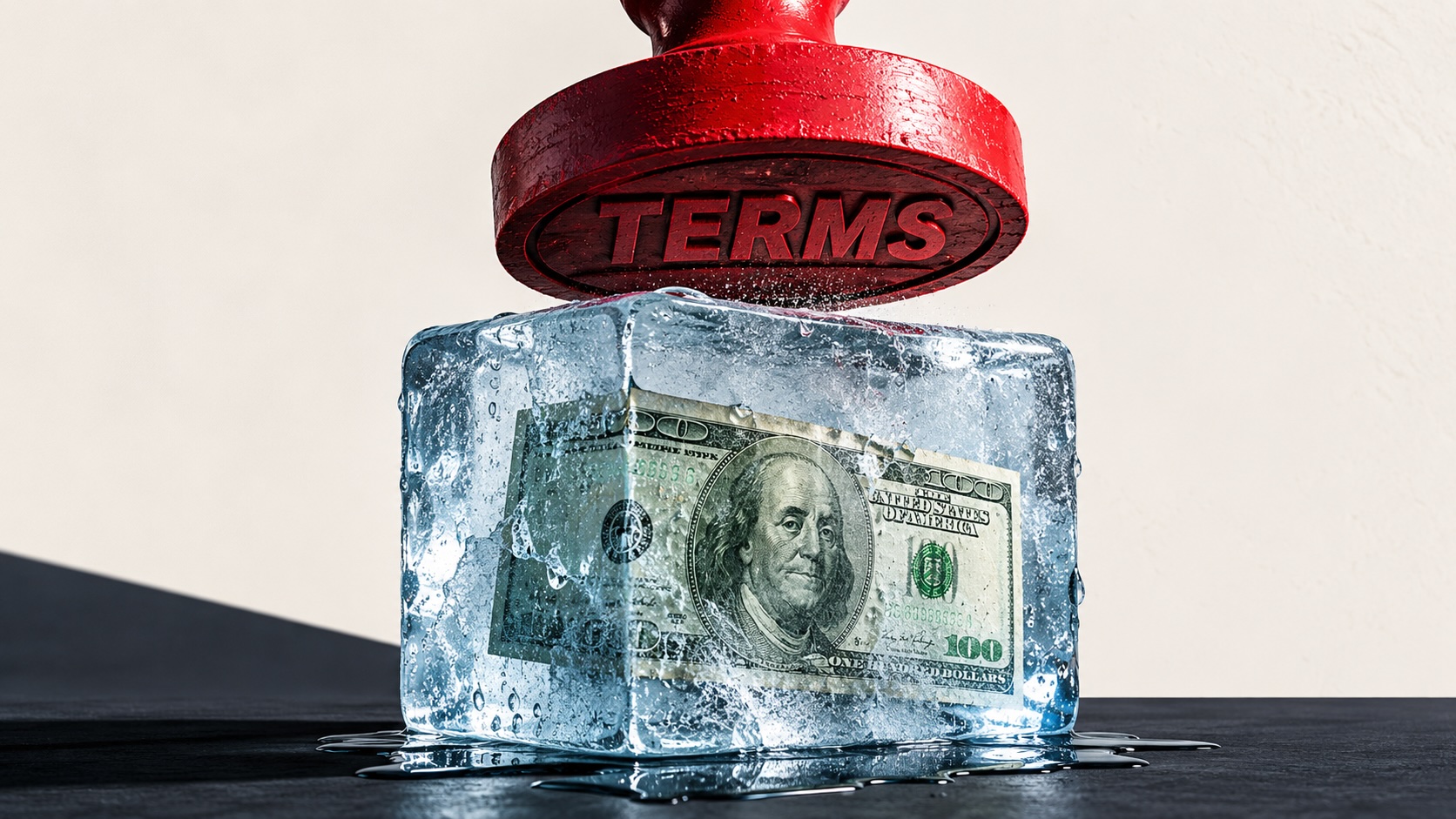
The comparison some draw here is what happened to Russian assets in Europe after the war in Ukraine, when some assets were frozen and used as a tool of political and economic pressure.
The central idea in these discussions is not war, but financial and strategic pressure.
Instead of direct military confrontation, some experts argue that targeting funding networks could be far more effective.
In this context, the most important question becomes:
Can the Iraqi state be rebuilt so that it alone holds authority over weapons and money?
Because the answer to that question concerns not Iraq alone, but the stability of the entire Middle East.
Iraq, by virtue of its geographic position, oil wealth, and sectarian balances, may be the key that redraws the balance of power in the region.