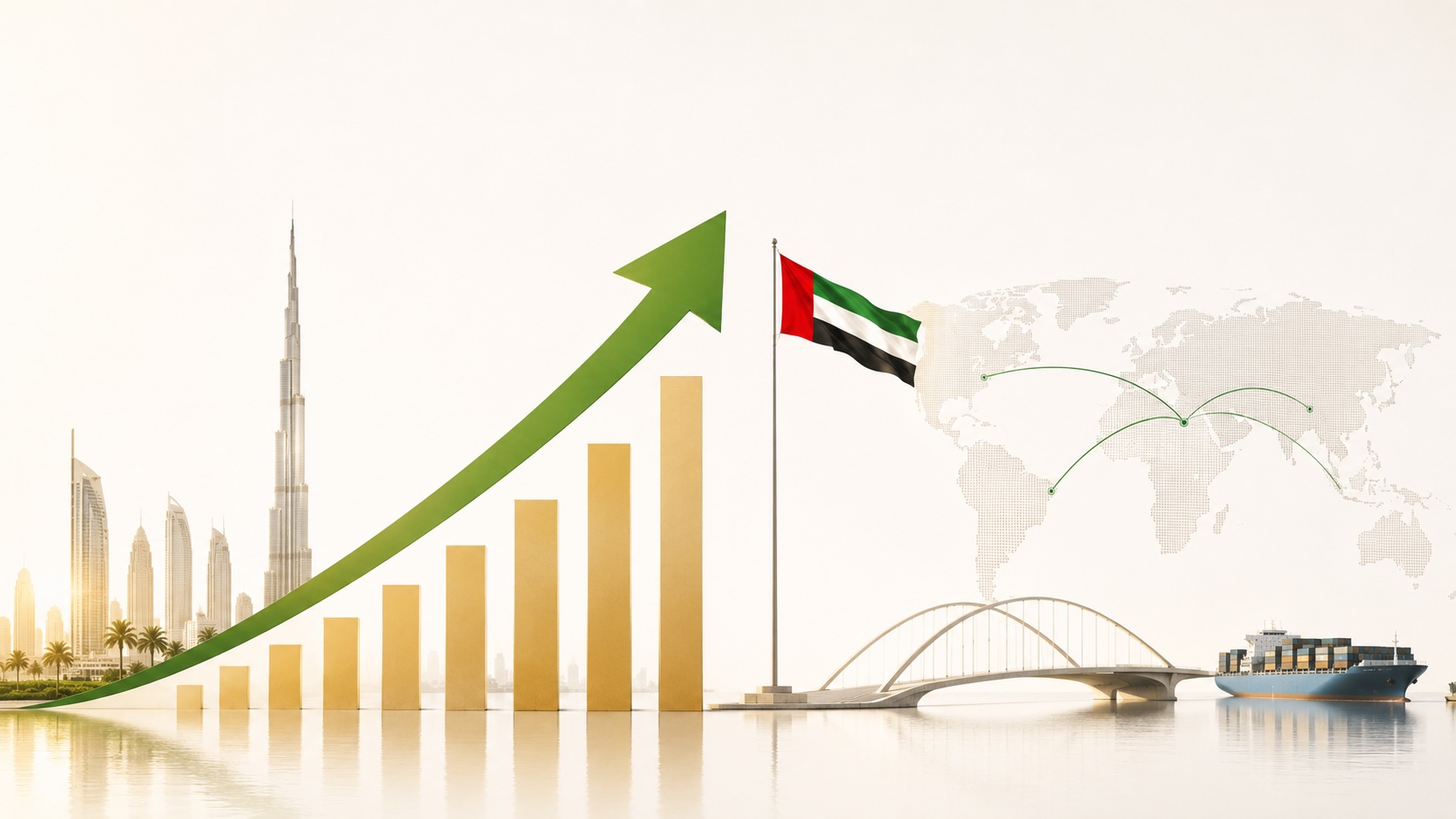
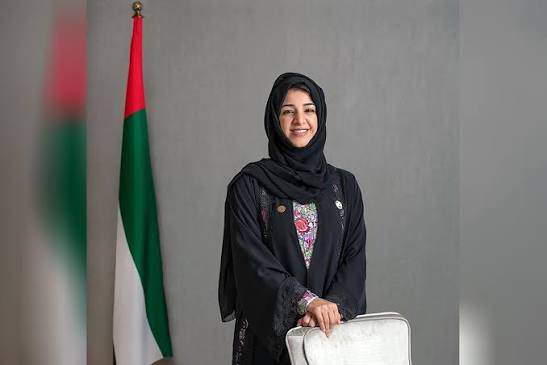
There are figures whose presence grows in quiet times, and others whose weight is only fully understood when difficult circumstances arrive. Reem Al Hashimy combines both. In recent days, she has seemed like the completing part of her country’s image: how to speak firmly without slipping into agitation, and how to remain clear in a war where smoke mixes with competing narratives. That is precisely the impression left by her government’s conduct in the most dangerous crisis facing this country, which has only recently moved beyond the category of developing states into the rank of healthy economies.
Iranian attacks have struck civilian and vital infrastructure inside the state, while Abu Dhabi has stressed that it does not seek to widen the conflict and that it holds firmly to its right to defend its sovereignty under international law. In this context, Al Hashimy appeared in briefings and media interviews to say something both simple and difficult at the same time: we are under attack, but we are not a frightened state.
Detail
What draws attention is the way she says it. In an interview with the Australian Broadcasting Corporation this week, she described the Iranian attacks on the Gulf as appearing almost unrestrained, and said they had come as a surprise. The phrase itself was sharp, but it came from her without excess emotion, and that gave it a deeper meaning. She was not speaking like someone trying to score a passing point, but from her position as an official seeking to establish a political meaning: what the UAE is facing is not a side incident in the war, but a direct act of aggression against a state that chose not to be part of the chaos.
Before that, in the government briefing that followed the first strikes, her tone was strikingly clear: the UAE retains the right to respond and defend its sovereignty, but it is not seeking to widen the confrontation. That balance, precisely, explains why attention has turned to her. In wartime, many speak loudly. Very few manage to appear firm without becoming prisoners of the emotion of the moment.
That is why it is not enough to say that Reem Al Hashimy is a successful diplomat or a prominent Emirati official. These are accurate descriptions, but they do not do her justice. What is more accurate today is to say that the war has recast, through her, the image of the Emirati woman before the public: she is the woman who led the Expo file and who moves across the fields of international cooperation, and she is also one of the faces that speaks with honesty when the state must present its own narrative under conditions of daily attack.
From here comes the real link between her presence and the moment of war. Attention turned to her because the scene needed a figure capable of delivering three messages at once: the UAE is not weak, but neither is it reckless; what happened to it is unacceptable, but response does not mean losing balance; and a state that built its reputation on stability knows how to defend itself without abandoning its political language. This is the space in which Reem Al Hashimy has stood, and that is why she has seemed closer to the image of the UAE in this moment than any ready-made rhetorical description.