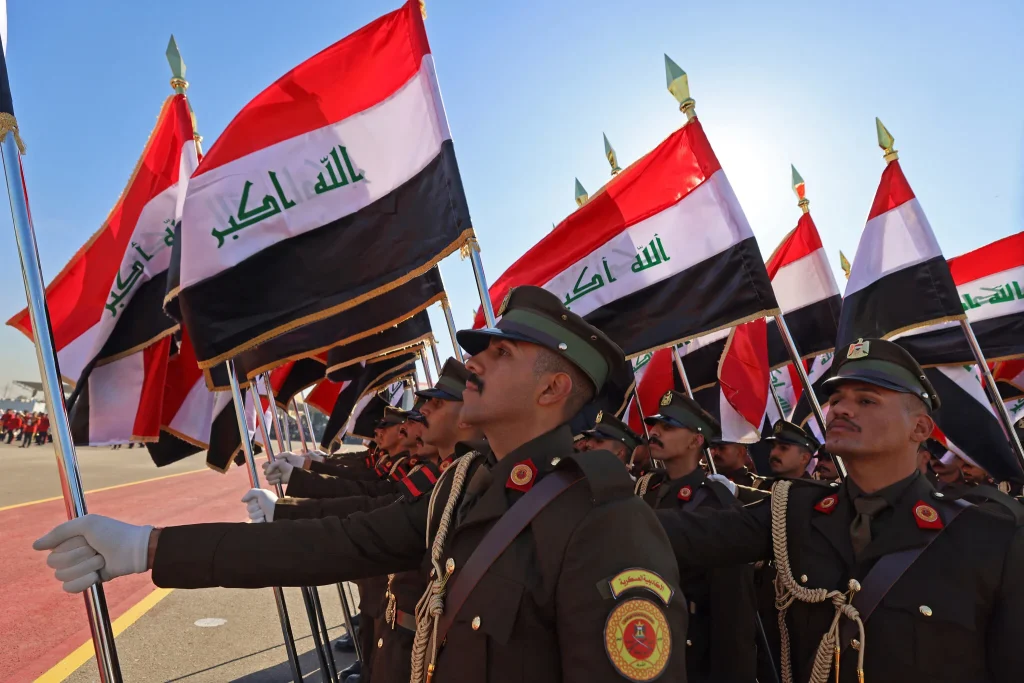
The activity of Iraqi armed factions close to Tehran has escalated inside the Iraqi arena itself. In recent days, attacks have hit an American diplomatic site in Baghdad, the UAE consulate headquarters and other locations in Erbil, and an oil field in Kurdistan operated by an American company. This came at the same time as airstrikes targeted camps belonging to pro-Iran factions inside Iraq. The result is that the battlefield is no longer only between Washington and Tehran, but between Iraq and itself as well.
Detail
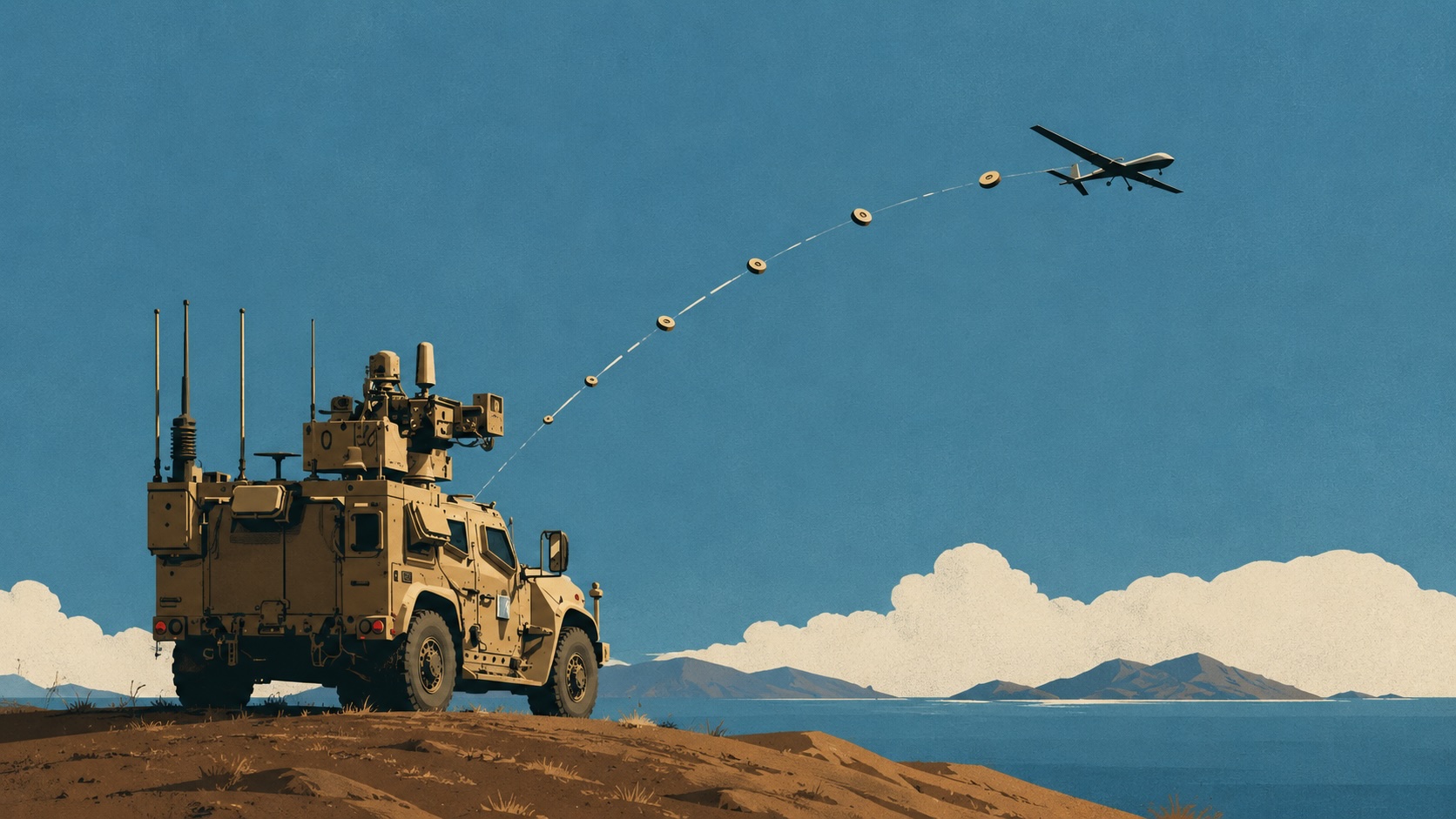
The clearest example was the drone attack on an American diplomatic facility in Baghdad, in a development that American reports linked to pro-Iran groups inside Iraq. Erbil also saw the interception of drones targeting the vicinity of the American consulate and areas associated with the American presence. In Kurdistan, the UAE consulate was also struck, and a drone attack halted production at the Sarsang oil field operated by an American company. These incidents mean that the factions are not only pressuring Iran’s rivals, but are striking at the nerves of the Iraqi state itself: diplomacy, airports, energy and investment.
At the same time, camps belonging to pro-Iran factions inside Iraq were hit by airstrikes, including a strike in Kirkuk that killed members of the Popular Mobilization Forces, as well as strikes in Wasit, Nineveh and Jurf al-Sakhar. In this way, the country is turning into a theater for score-settling: Iraqi factions operating according to the logic of regional war, strikes falling back on Iraqi soil, and an official state that finds itself unable to monopolize the decision of war and peace.
What next?
If the war on Iran continues at the same pace, Iraq will remain a candidate to be both the proxy arena and the primary arena at once: factions strike in the name of resistance, responses strike Iraq, and the state remains the weakest party among them all.
Sources: