Shaheen builds this case on the course of military cooperation between Moscow and Tehran in recent years. After Russia’s invasion of Ukraine began to stall, Moscow turned to Iranian drones and then helped expand their production inside Russia. In her view, this relationship is no longer just a technical wartime arrangement on the Ukrainian battlefield. It has evolved into a broader security partnership that is now shaping events in the Middle East.
She also points to U.S. reports suggesting that Moscow is sharing intelligence with Tehran, helping it target American and allied interests across the region. From there, she reaches her clearest political conclusion: Russia is not standing on the sidelines. It is helping Iran challenge the United States and benefiting from every additional day the fighting continues.
Shaheen reinforces this argument by recalling other precedents, including earlier U.S. accusations that Russia offered bounties for the killing of American troops in Afghanistan, and later claims that Moscow provided satellite imagery to the Houthis to help strike Western ships in the Red Sea. In doing so, she tries to present a consistent pattern of Russian behavior based on indirectly backing Washington’s adversaries whenever the opportunity arises.
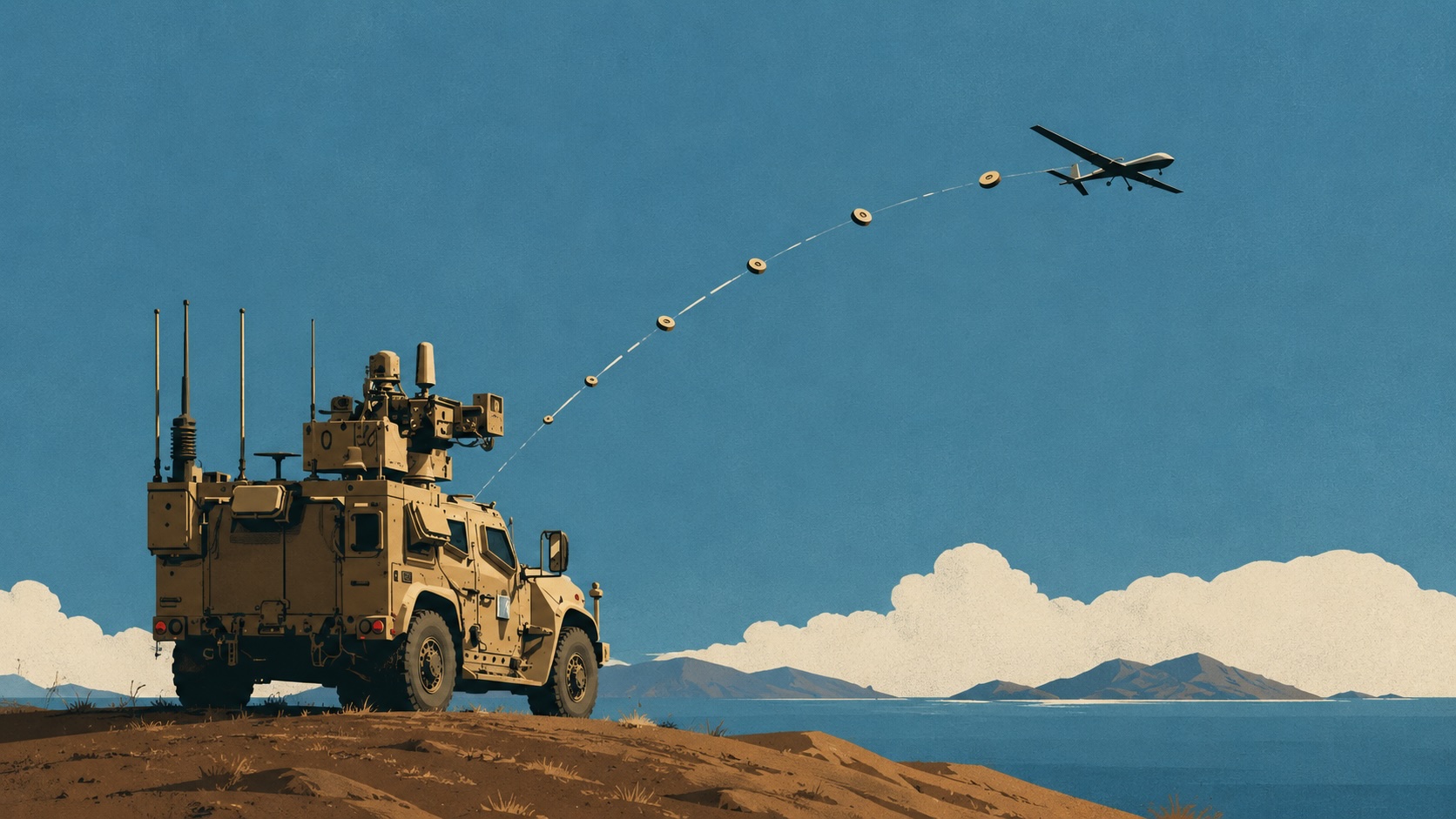
Elsewhere, the article highlights a political and military irony. Ukraine, which has spent years facing Iranian-designed drones used by Russia, has built significant expertise in defending against this type of threat. Shaheen argues that Kyiv now possesses battlefield knowledge that could help the United States and its Gulf partners confront Iranian attacks, and that the Trump administration wasted valuable time by failing to draw on that experience earlier and by keeping the door open to cooperation with Putin.
She then moves from the military dimension to the economic one. In her argument, a wider war with Iran gives the Kremlin financial breathing room through rising energy prices, at a time when the Russian economy needs that support. She also says that a broader war consumes Western stocks of air defenses and interceptor missiles, resources that she believes could otherwise support Ukraine. The longer the conflict drags on, the greater the chance of deeper American involvement — a scenario Moscow sees as strategically useful.
The article’s political conclusion is that Washington, if it wants to protect its troops and interests, should not separate pressure on Iran from pressure on Russia. According to Shaheen, tightening sanctions on Russian oil exports, cracking down on the shadow fleet, and deepening cooperation with Ukraine are not simply pro-Kyiv measures. They are steps that directly serve American security.
The article ends with a clear attack on the Trump administration. Shaheen accuses it of moving in the opposite direction by easing pressure on Moscow and continuing negotiations with it, despite what she sees as Russia’s role in backing forces that target Americans. In that sense, the article’s message is as political as it is strategic: in her view, Putin is not a possible partner in containing chaos, but part of the problem itself.