• A wave of missile and drone attacks targeted Erbil airport and vital sites across the city.
• The latest attack, on March 8, 2026, killed a security employee.
• With that, Erbil is moving from the margins of tension to the heart of the regional confrontation.
Detail
• Iran views Erbil as a vulnerable point in western influence in northern Iraq.
• The first reason: its proximity to Harir Air Base and Erbil airport, and the military and logistical value both represent.
• The second reason: the internal Kurdish divide between Erbil and Sulaymaniyah, which opens wider space for pressure and manoeuvre.
• The third reason: the ease of using Erbil as an indirect retaliation arena whenever Iran is hit inside its own territory.
• The most important shift is that justification for these attacks is no longer hidden only behind shadow factions, but is increasingly tied to direct rhetoric about targets linked to Mossad.
The City’s Paradox
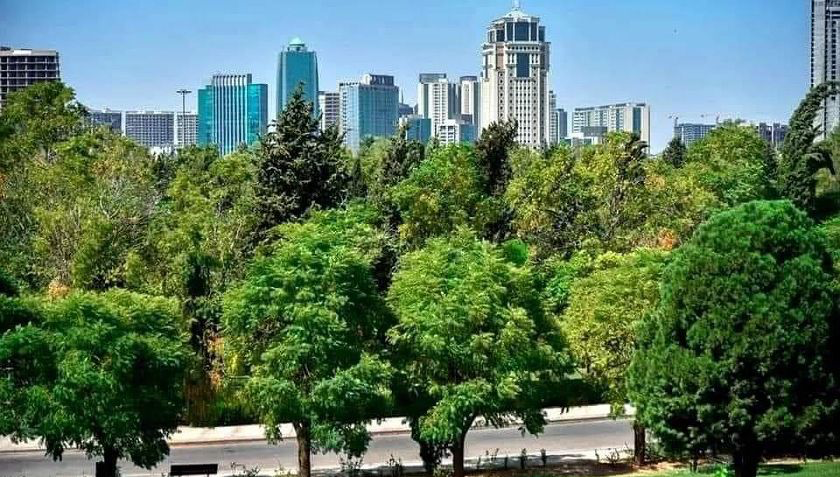
• Despite the smoke, Erbil is witnessing one of the biggest real estate booms in its history.
• The 83-kilometre Green Belt project reflects a bet on expanding green spaces and improving the urban environment.
• The registration of 3.5 million tourists in 2025 also suggests that the city’s economic image has not been shaken yet.
What Next?
• Is Erbil moving toward demanding more independent air defence capabilities?
• Could Erbil airport shift from a support base into a direct front line?
• And could repeated security pressure push the Kurds toward sharper political choices in their relationship with Baghdad?
(Analysis)
• The danger lies not only in the number of attacks, but in the breaking of Erbil’s image as a safe and stable area.
• When the Kurdish capital becomes an arena for messages delivered by fire, all of Iraq enters a new test of sovereignty.
• That threatens the last Iraqi space still marketing itself as a relatively safe environment for western investment.