Entry point: What does “loyalty beyond the homeland” mean?
Political loyalty in the modern state is a contract: rights in exchange for duties. The state protects individuals, the citizen abides by the law, and sovereign decisions are produced by elected or duly mandated institutions. When groups emerge whose final reference lies beyond national borders, the state becomes one of three things: a façade for others, a backyard for others, or a prize seized from its own people.
This is not primarily a sectarian identity issue or an ideological sentiment. It is a political function question: Who decides — and who pays?
Dual loyalty: How does it form?
There are three layers that explain how this duality takes shape:
1) The creed-and-identity layer
The relationship with Iran is framed as an extension of historical grievance, protection for a community, or a “resistance” project. This layer provides symbolic legitimacy and turns political disagreement into moral certainty.
2) The benefit-and-networks layer
Funding, weapons, training, protection, employment, and a parallel economy. Here, the group becomes a full institution: security, services, charities, media, and payrolls. Loyalty becomes part of the everyday economy.
3) The sovereignty vacuum layer
The weaker the state, the stronger the proxy. In fragile states, the decision to use violence migrates from institutions to networks. Over time, weapons outside the state become the rule rather than the exception.
Lebanon: A state trapped between arms and decision-making
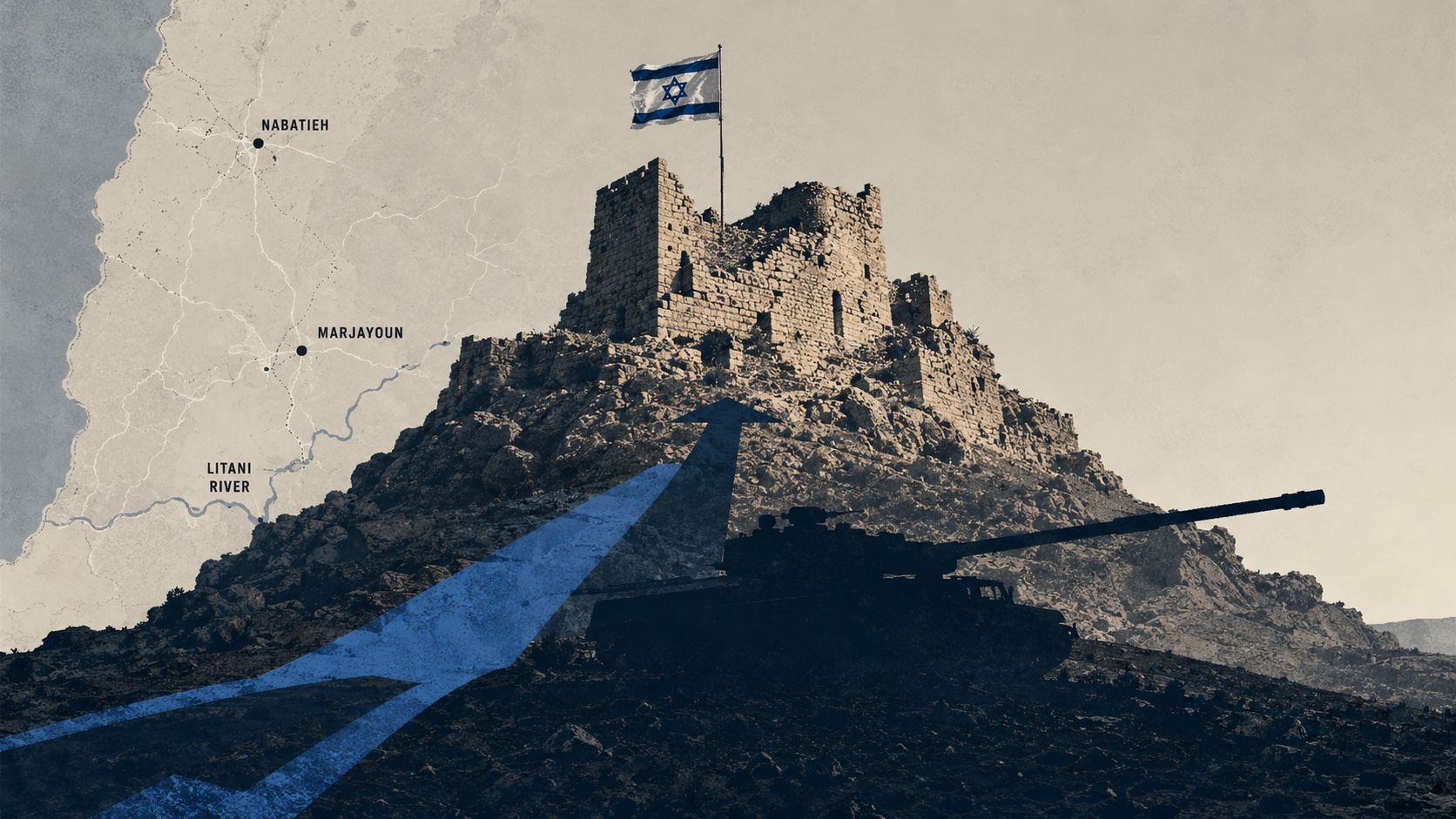
In Lebanon, the split is crystallised around one question: Who owns the decision of war? When the country becomes entangled in regional conflicts, domestic life turns into a footnote to a larger decision. The cost is military, political, and economic: isolation, internal polarisation, and exhaustion.
Defenders of this path say they are protecting Lebanon. Opponents argue protection cannot mean extracting the state’s most sovereign power from the state. Either way, the outcome is the same: a country of multiple loyalties and a state with a weakened decision-making core.
Iraq: From “resistance” to an economy of influence
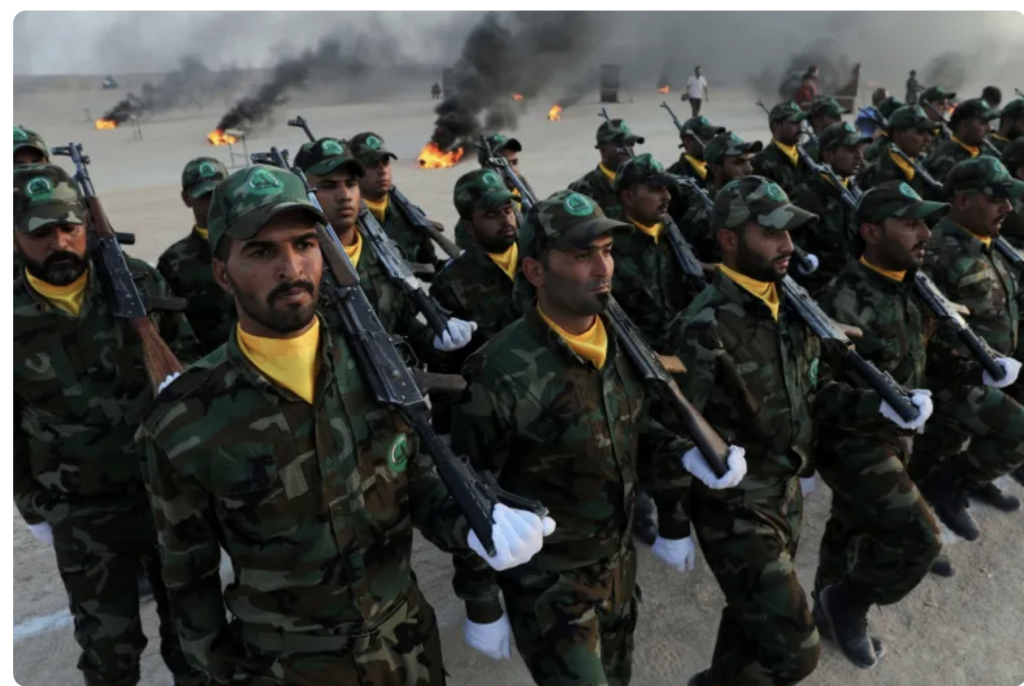
In Iraq, some Iran-aligned factions have evolved into political and economic forces whose influence exceeds the state’s institutions. This adds a deeper dilemma: loyalty is not only a security decision — it is also a governing model.
When Iraqi state interests clash with the regional project, Iraq is often pushed into the role of an arena: economic pressure, security tension, and the erosion of the idea of a neutral state standing above competing players.
The most dangerous feature is that the parallel economy gives loyalty its own internal revenue stream: contracts, border crossings, customs, protection rackets, and privileges. At that point, loyalty is not merely conviction — it becomes rooted interest.
Yemen: When the proxy becomes the state
In Yemen, the logic reaches its limit: an armed group imposes a foreign policy by force of fact. The country turns into a platform for conflict managed by regional equations, while society pays the price: siege conditions, poverty, collapsing services, and deepening fragmentation.
Supporters of this path claim they defend sovereignty. But sovereignty is not measured by slogans; it is measured by preventing the country from being used as leverage in any external actor’s hands.
Bahrain: Politics caught between protest and dependency
In Bahrain, the sensitivity is higher because the state is small and the regional environment is combustible. Any organisational, financial, or directive linkage from outside can convert domestic demands into a security file. At the same time, the closing of political space can push some actors to seek external backing. It becomes a vicious cycle: restriction produces dependency — and dependency justifies restriction.
Do pro-Iran loyalists have national rights?
In principle:
• They are citizens, or part of the social fabric of their countries, with political, civil, and social rights.
• They have the right to representation, dissent, and political organisation within the law.
But national rights do not detach from two conditions:
1) The state’s monopoly on force
There is no full citizenship with two armies.
2) War and peace must belong to institutions
Elections and parliaments lose meaning if the decision to fight sits outside the political system.
Put simply: you cannot demand the rights of the state while stripping the state of its core.
The crime of dragging countries into wars they did not choose
This is not an emotional question. It is a national responsibility question:
• Who decides to enter a regional confrontation?
• Who bears the consequences: deaths, sanctions, currency collapse, destroyed cities, and the flight of talent?
When a country is pulled into a conflict it does not control — and has no terms for exiting — society becomes hostage to balances it never negotiated. That is the core political indictment: turning the homeland into a proxy battlefield.
Why do they persist despite the cost?
Because they possess ready-made narratives:
• Existential threat
• Resistance
• Protection of a sect/community
• Historical revenge
• Cosmic justice
But narratives alone do not explain endurance. What explains it is that networks of power generate daily interests: jobs, protection, economic advantages, and privileges. When war becomes a function, it becomes hard to end.
What does this mean for the future of the state?
If dual loyalty persists, three trajectories become likely:
1.A façade state with parallel authorities
2.A security state that represses politics in the name of security
3.Long-term social fragmentation between citizens who see the state as an enemy and citizens who see the proxy as a threat
None of these trajectories builds a viable state.
What is the realistic way out?
The exit is not a slogan of blanket condemnation, nor the erasure of entire constituencies. It is three practical political conditions:
1.Rebuild the social contract: equal rights without discrimination
2.Place all arms under the state within a clear, timed framework with guarantees
3.Integrate the parallel economy into the state through oversight, accountability, and transparent institutions
The core message is simple: any current can be national if it accepts the rules of the state. But loyalty that places an external reference above the homeland is a permanent conflict project — not a state-building project!